

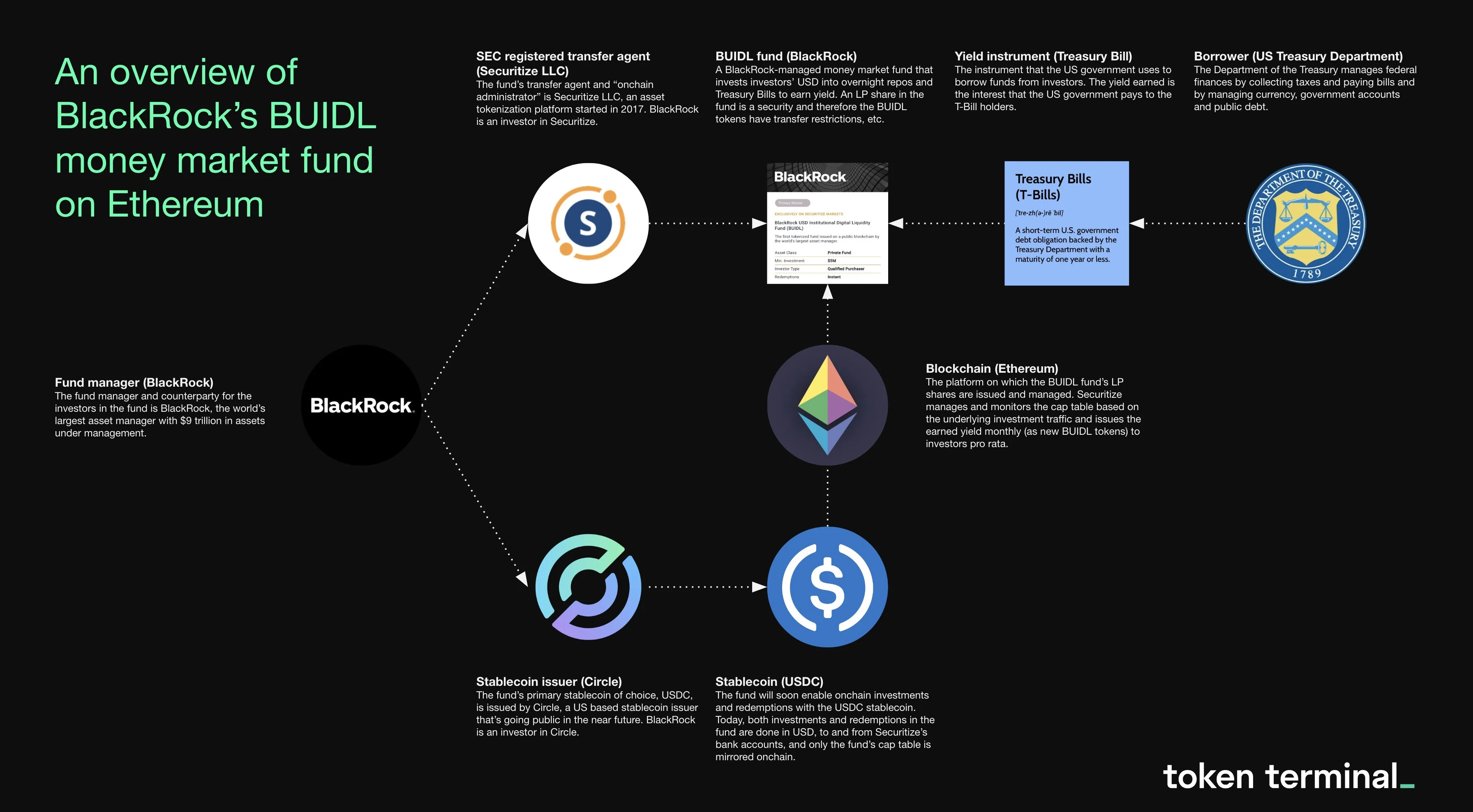
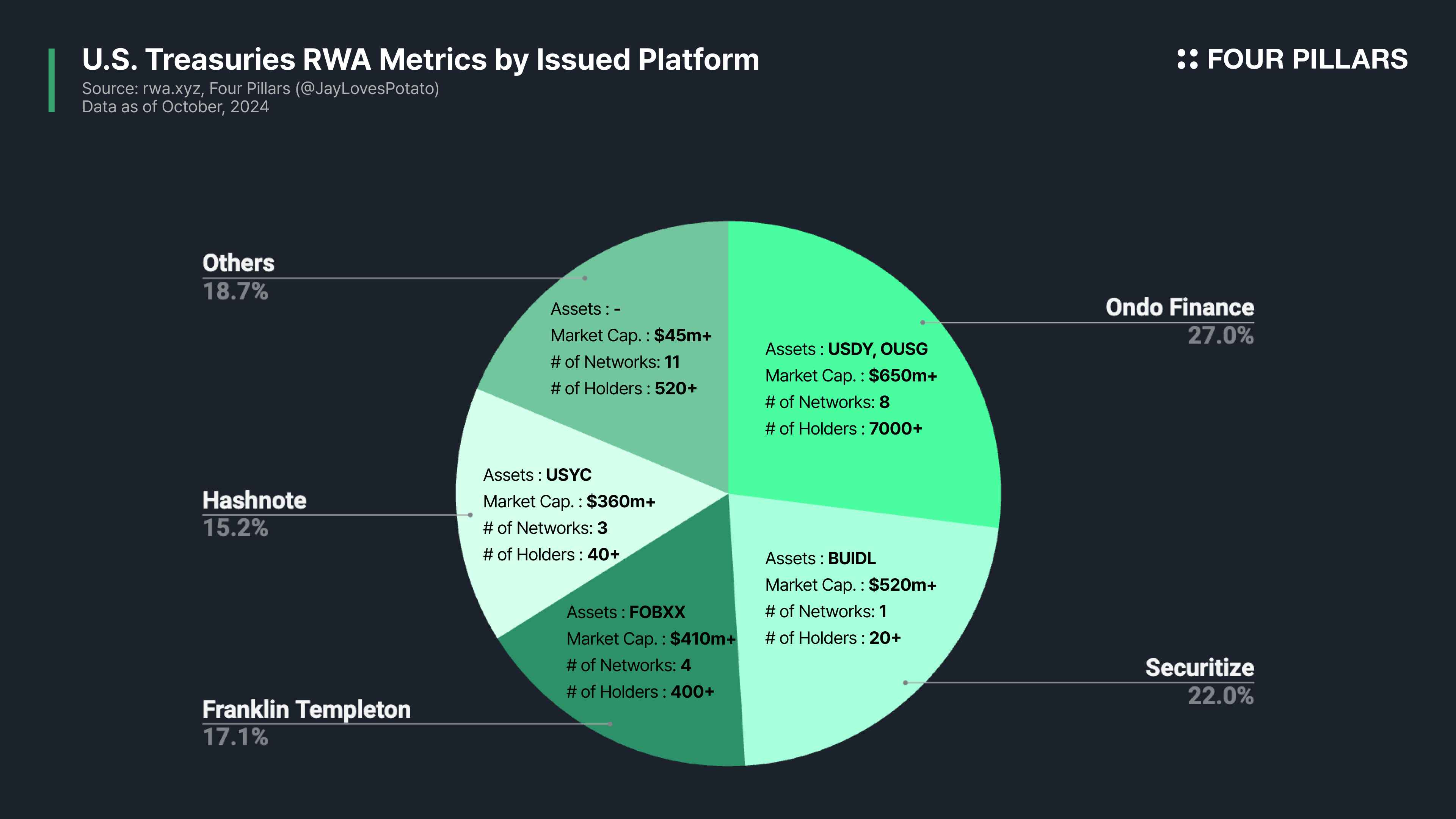
As Ethereum hovers at $1,881.01 amid a 4.81% dip over the past 24 hours, the Real-World Assets (RWA) sector stands resilient, with tokenized U. S. Treasuries surging to $9.2 billion in total value, up 136% year-to-date. This growth underscores a pivotal shift in DeFi, where protocols like BlackRock's BUIDL, Ondo's OUSG, and Franklin Templeton's BENJI now collateralize RWA collateral covered calls, delivering yields that eclipse traditional staking. Investors are drawn to these strategies for their blend of stability from T-bill backed assets yielding around 4.5% APY and amplified returns from options premiums on volatile assets like ETH.
Tokenized Treasuries Dominate RWAs at $9.2 Billion Milestone
The RWA market has ballooned to $24.84 billion by February 2026, an 8.68% monthly gain even as broader crypto markets cool. Tokenized U. S. Treasuries lead this charge, commanding the lion's share and serving as prime collateral in DeFi options vaults tokenized treasuries. Protocols such as BUIDL offer on-chain exposure to short-term T-bills, providing minimal-risk 4% and returns that institutional players crave during risk-off periods. Yahoo Finance notes risk-off capital rotating into these assets, not fleeing DeFi but deepening on-chain engagement.
This momentum aligns with predictions from Zodia Custody and Bankless Ventures, emphasizing vaults that prioritize blue-chip or tokenized RWA exposure for stable, risk-adjusted performance. TermMax's curated systems further enable pros to tap fixed-rate markets, while Centrifuge and Euler exemplify RWA vaults minting synthetics or channeling real-world yields. Nasdaq highlights tokenized equities as the next frontier, posted into money markets for stablecoin borrowing and stock yield generation, signaling broader on-chain capital markets by 2026.
Unlocking 20% Yields: The Power of Covered Calls on RWA Collateral
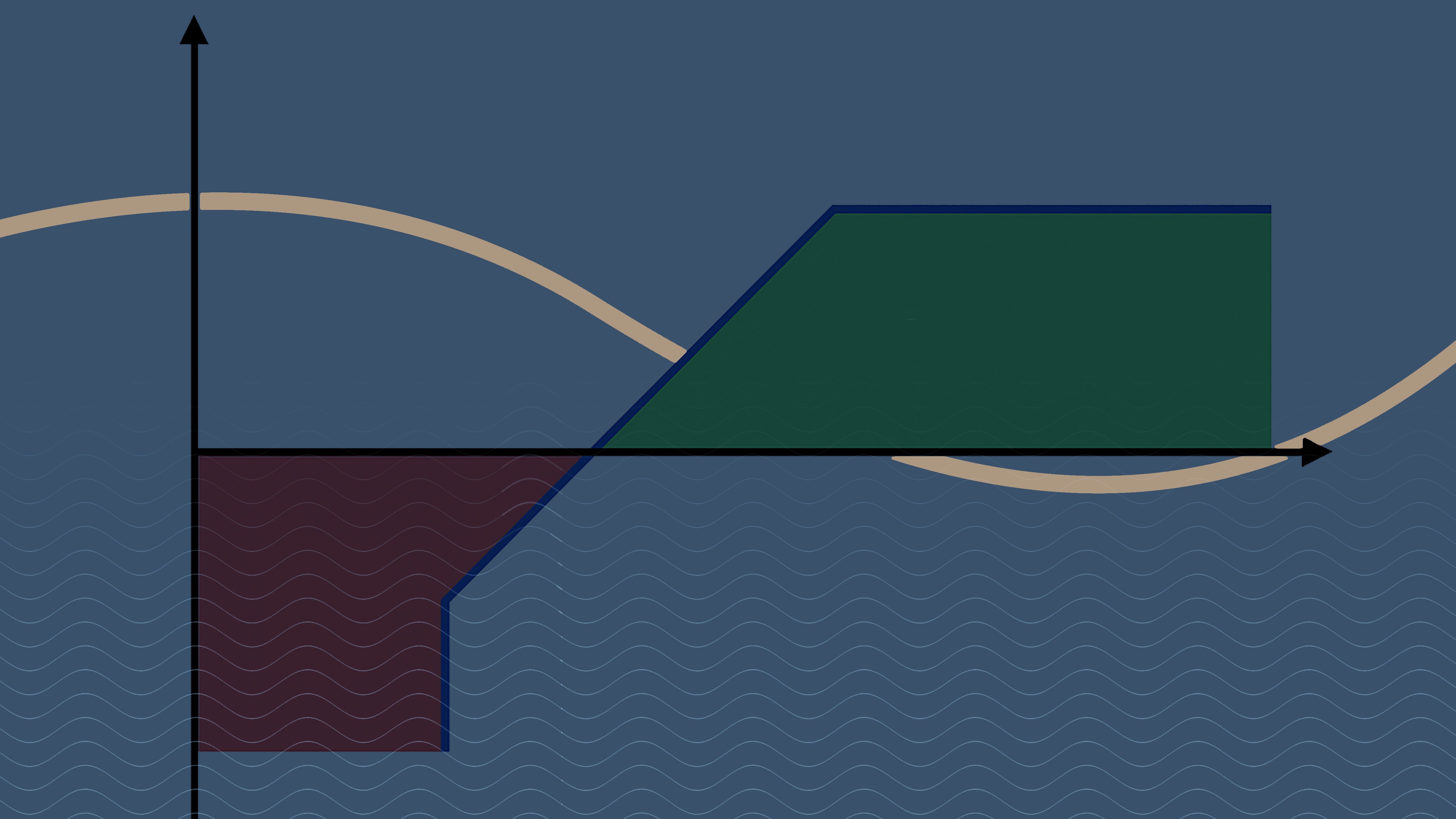
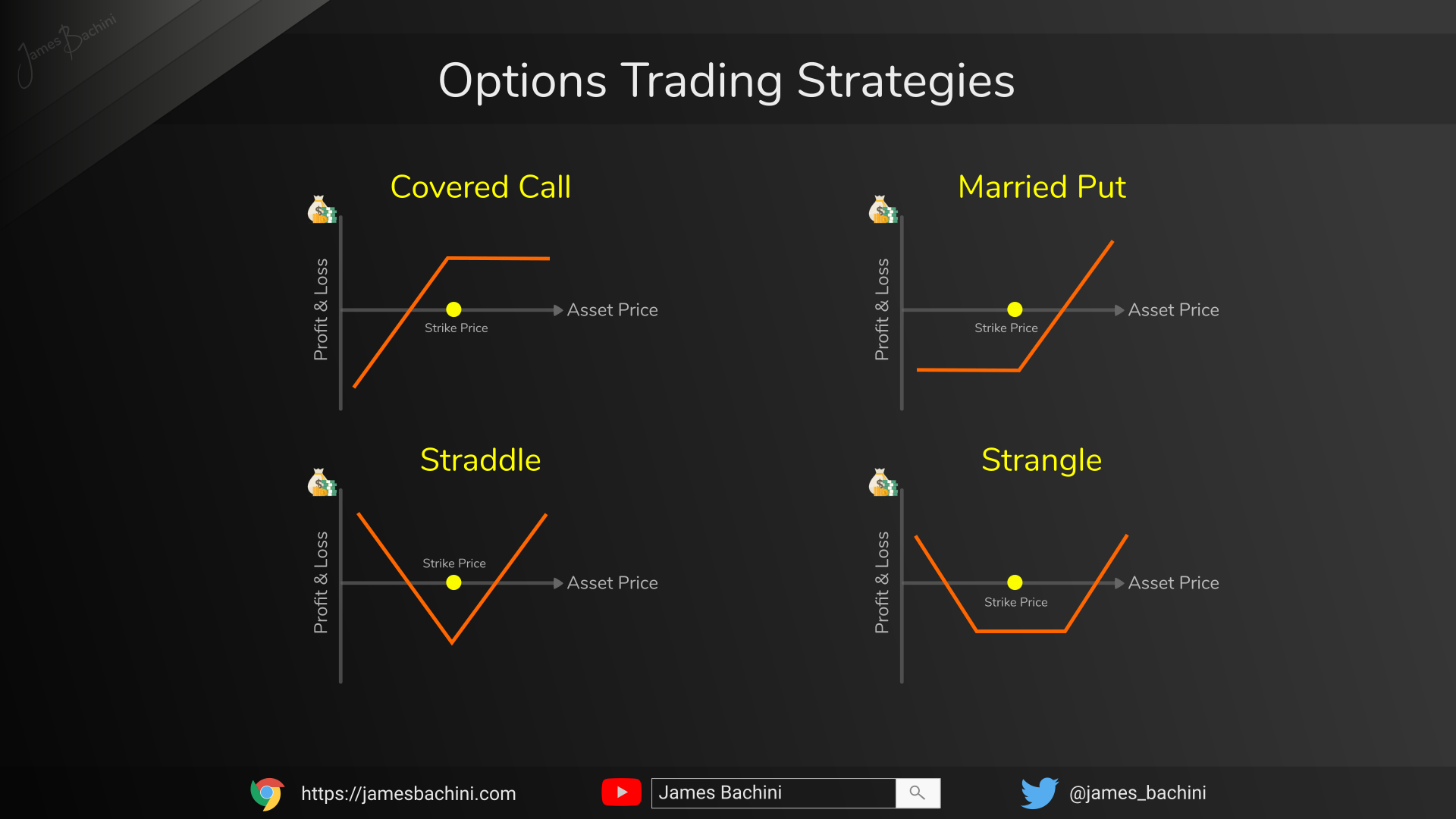
In covered calls RWA vaults, tokenized treasuries form the bedrock collateral, mitigating downside while options on ETH or similar generate premium income. A vault holding BUIDL, for instance, earns its baseline 4.5% from T-bills, then sells out-of-the-money calls on overlaid ETH exposure. This hybrid captures theta decay and any moderate upside, consistently hitting 20% annual yields as seen in recent DeFiOptionsVaults data. The setup thrives in sideways or mildly bullish ETH environments, like today's consolidation around $1,881.01.
Lending giants Aave and Morpho now accept USDY and BUIDL, offering up to 80% LTV for stablecoin borrows at 4-8% rates. This composability lets users leverage RWA collateral for further yield stacking, borrowing USDC to deploy into additional vaults. Bitget reports tokenized treasuries retaining RWA dominance, yet equities' rise hints at diversified collateral pools ahead. My 18 years analyzing tokenized commodities and real estate affirm: fundamental strength in RWAs underpins DeFi innovation, turning treasuries into yield engines.

Institutional Sync with DeFi: 2026's RWA Vault Revolution
2026 marks the institutional wave cresting, per Medium's Ancilar analysis, as RWA tokenization meshes with DeFi protocols. BlackRock's BUIDL integration exemplifies this, vaulting tokenized treasuries into covered call strategies that complement portfolios seeking passive income covered calls DeFi. RWA. io spotlights investment drivers: regulatory clarity, platform maturity, and yield hunger propelling tokenized assets.
Investors rotate from pure DeFi speculation into these vaults for tangible backing. IndexBox data confirms capital inflow despite ETH's volatility, with tokenized treasuries enabling tokenized treasuries options strategies that lock superior APYs. Platforms like TermMax curate access, ensuring rigorous risk management for pros deploying across markets. This isn't hype; it's methodical yield farming, collateralized by assets with proven cash flows.
Ethereum (ETH) Price Prediction 2027-2032
Predictions factoring RWA collateral covered calls, tokenized treasury growth, and DeFi vault yields from 2026 baseline ($1,881)
| Year | Minimum Price | Average Price | Maximum Price | YoY Change % (Avg from Prev) |
|---|---|---|---|---|
| 2027 | $2,200 | $3,500 | $6,000 | +86% |
| 2028 | $3,000 | $5,200 | $9,500 | +49% |
| 2029 | $4,200 | $7,300 | $13,000 | +40% |
| 2030 | $5,800 | $10,200 | $17,500 | +40% |
| 2031 | $7,500 | $13,000 | $22,000 | +27% |
| 2032 | $9,500 | $16,500 | $27,000 | +27% |
Price Prediction Summary
Ethereum's price is forecasted to experience strong upward trajectory from 2026 levels, propelled by RWA tokenization surge to $24.84B, tokenized treasuries at $9.2B enabling 20% DeFi vault yields via ETH covered calls, and institutional inflows. Average prices could reach $16,500 by 2032 in a base case, with bullish maxima exceeding $27,000 amid favorable regulations and adoption, while minima reflect potential market corrections.
Key Factors Affecting Ethereum Price
- Explosive growth in tokenized U.S. Treasuries (136% YTD to $9.2B) via BlackRock BUIDL, Ondo OUSG, Franklin BENJI
- DeFi vaults leveraging RWAs for covered calls on ETH, delivering ~20% APY with low volatility
- RWA integrations in lending protocols (Aave, Morpho) with 80% LTV and 4-8% borrow rates
- Institutional DeFi wave in 2026 boosting on-chain capital markets and tokenized equities
- Ethereum's DeFi dominance enhanced by RWA yield strategies amid market cycles
- Potential regulatory clarity and Ethereum upgrades supporting scalability and adoption
- Competition from L2s and broader crypto market cap expansion to multi-trillion levels
Disclaimer: Cryptocurrency price predictions are speculative and based on current market analysis. Actual prices may vary significantly due to market volatility, regulatory changes, and other factors. Always do your own research before making investment decisions.
Quantitative models I've built over 18 years at firms like Goldman Sachs reveal why these vaults excel: the low correlation between T-bill yields and ETH options premiums smooths volatility. At ETH's current $1,881.01, out-of-the-money calls fetch rich premiums without capping much upside, as downside protection from overcollateralized RWAs absorbs dips like today's 4.81% slide.
Navigating Risks in RWA-Backed Covered Calls
No strategy lacks pitfalls, yet RWA collateral covered calls temper them methodically. Primary exposure remains ETH volatility, but tokenized treasuries enforce conservative loan-to-value ratios, often 50-70%, buffering calls against sharp drops. Opportunity cost looms if ETH rallies hard; assigned calls cap gains, though rolling strategies mitigate this. Smart contract risks persist, though audited protocols like those integrating BUIDL minimize exploits. Regulatory haze over tokenized assets could pressure liquidity, but 2026's institutional sync, as Ancilar predicts, likely clarifies paths. My view: these vaults suit yield-focused allocators, not speculators chasing 10x moons. Risk-adjusted Sharpe ratios here often hit 1.5 and, trumping naked ETH staking.
Key Advantages of RWA Covered Call Vaults
- 4.5% T-Bill Base Yield: Foundational stability from tokenized U.S. Treasuries like BlackRock BUIDL, offering ~4.5% APY with minimal risk.
- 20% Total Yields: Covered calls on ETH boost base yields to ~20% annually in DeFi vaults.
- Volatility Mitigation: Strategies cap downside from ETH fluctuations while retaining T-bill stability.
- Institutional-Grade Collateral: Backed by BUIDL, Ondo OUSG, Franklin Templeton BENJI.
- Passive DeFi Income: Effortless yields via integrations with Aave, Morpho lending protocols.
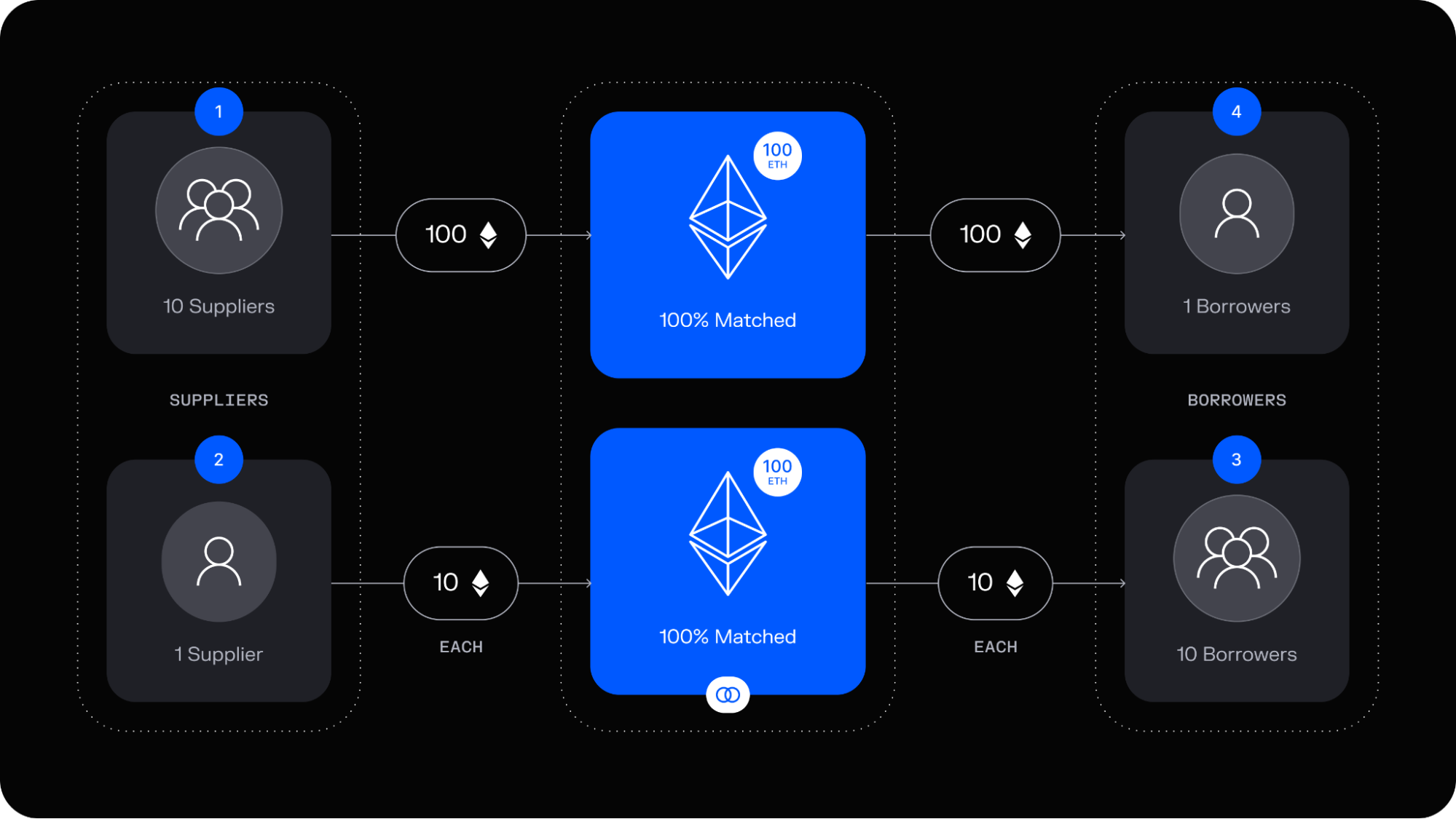
Composability amplifies this. Deposit BUIDL into a vault, earn baseline yield, sell covered calls via integrated options layers. Borrow against it on Morpho at 5% to recycle into more vaults, stacking APYs without liquidation spirals. This flywheel draws capital rotating from fading DeFi natives, per IndexBox's $24.84 billion RWA tally.
Hands-On Deployment: Step Into DeFi Options Vaults
For yield-hungry investors, tokenized treasuries unlock passive income covered calls DeFi with minimal fuss. Platforms streamline entry, automating rebalancing to harvest theta while preserving RWA ballast. Equities' tokenization, per Nasdaq and Bitget, will diversify collateral soon, blending stock dividends with options alpha.
Unlock 20% APY Yields: RWA Collateral Covered Calls Guide


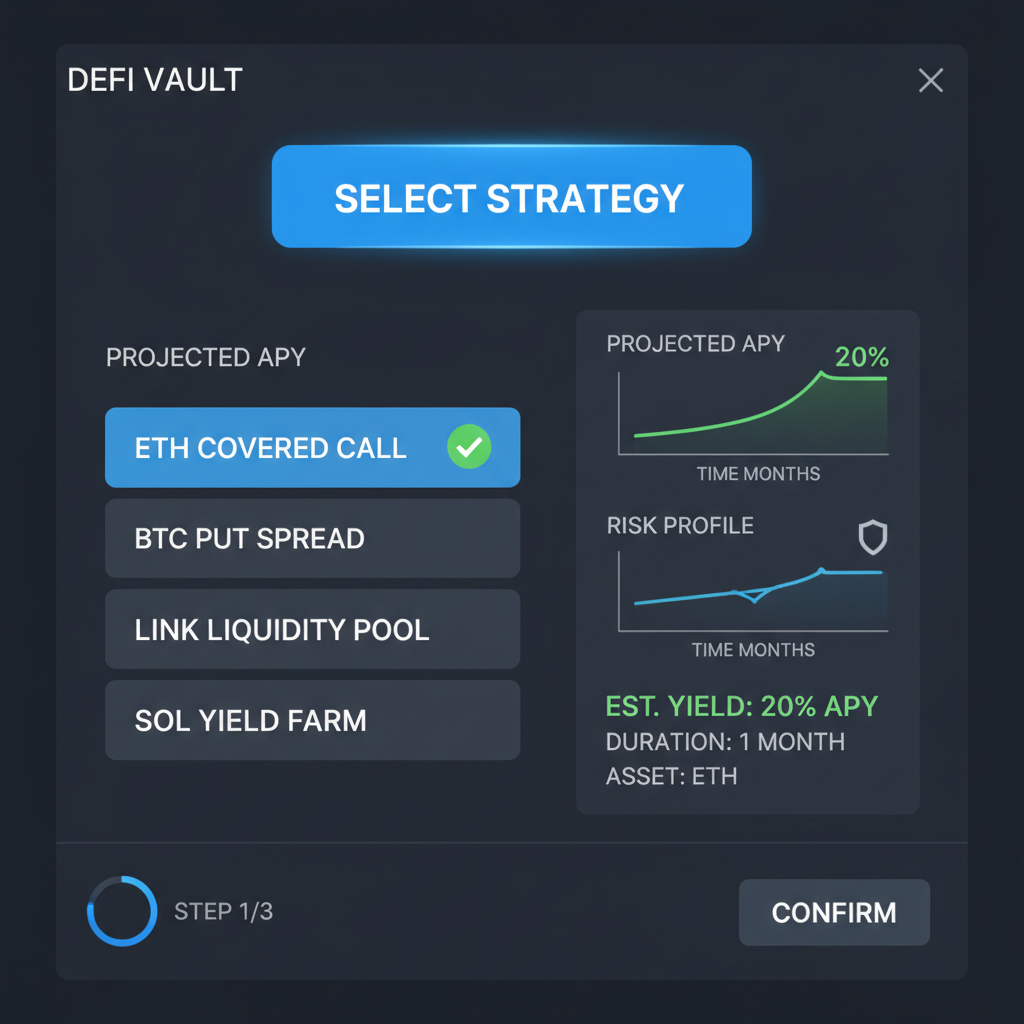
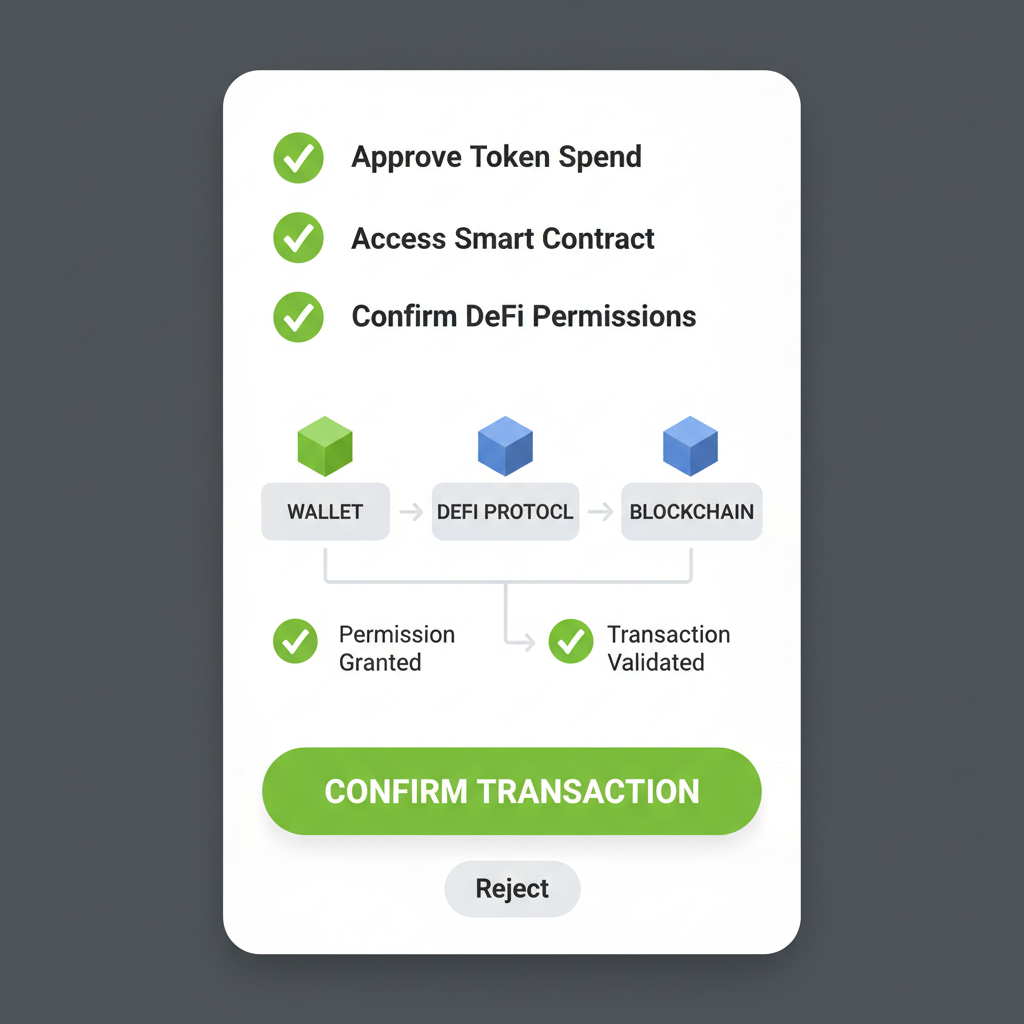

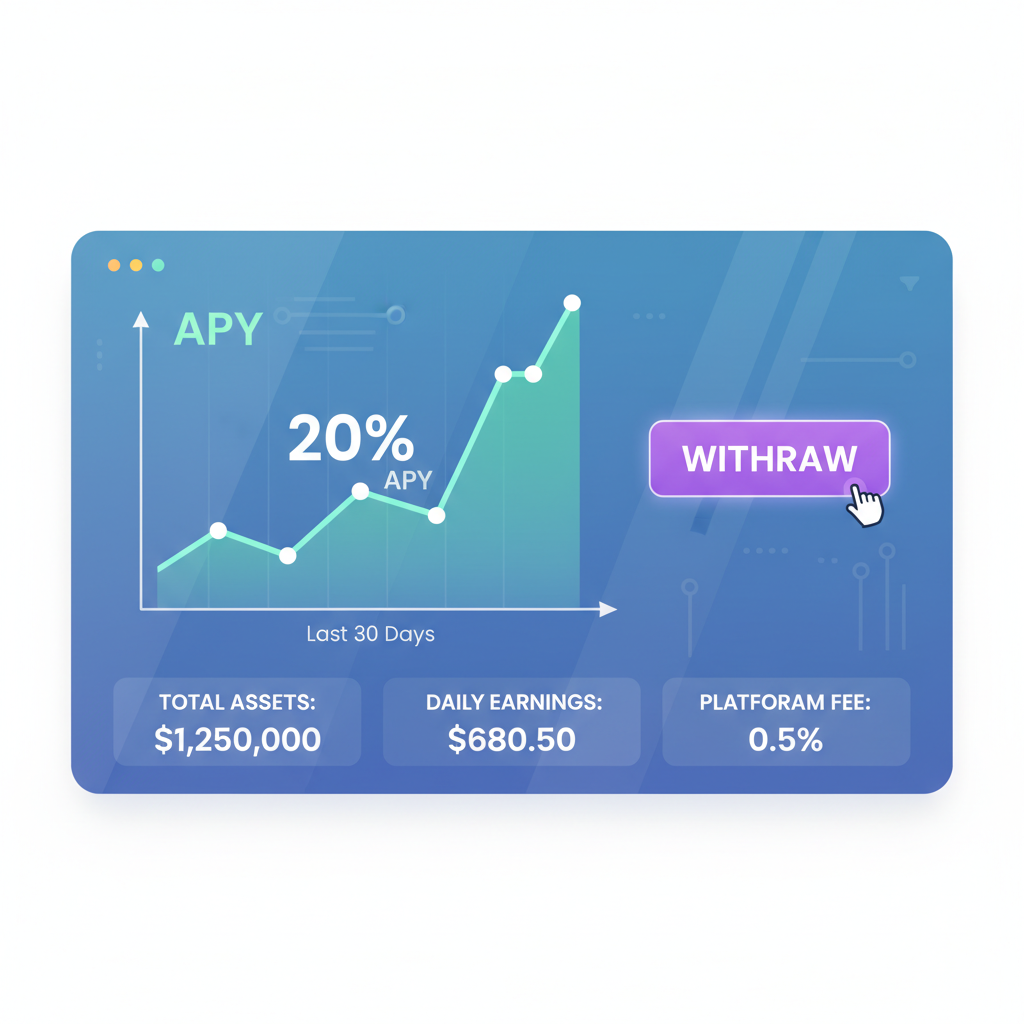
Real-world performance validates. DeFiOptionsVaults reports vaults blending OUSG collateral with ETH calls sustaining 18-22% APYs through 2025 volatility, now scaling in 2026. Zodia Custody's risk-adjusted focus aligns perfectly, positioning these as portfolio stabilizers amid ETH at $1,881.01.
Yield Comparison: RWA Covered Call Vaults vs. Alternatives (2026)
| Strategy | Yield (APY) | Risk Level | Collateral Type | Notes |
|---|---|---|---|---|
| RWA Covered Call Vaults | 20% | Low 🟢 | Tokenized U.S. Treasuries (e.g., BUIDL) | Stable 4.5% base + ETH covered call premiums; $9.2B market |
| ETH Staking | 8% | Medium 🟡 | ETH ($1,881.01) | Exposed to ETH volatility (-4.81% 24h) |
| T-Bills Alone | 4.5% | Very Low 🟢 | U.S. Treasuries | Minimal risk; on-chain via OUSG/BENJI |
| Pure Options Trading | ~30% (volatile) | High 🔴 | Margin/Various | Unpredictable returns; potential for losses |
Answering Investor Queries on Tokenized Strategies
DeFi's evolution demands clarity. Seasoned allocators probe liquidity, tax implications, and scalability. These vaults address them head-on, with on-chain redemptions and K1-friendly structures emerging.
Centrifuge-style RWA vaults already mint synthetics backed by invoices; treasuries take this mainstream. Bankless Ventures flags tokenization as 2026's alpha, with vaults like TermMax curating for institutions. Christophe Revault's lens on lending-RWA hybrids underscores yield sources: collateral deployment trumps speculation.
As ETH consolidates, these strategies shine, fusing T-bill ballast with options torque. Fundamental drivers, rising RWA TVL, protocol maturity, yield arbitrage, propel tokenized treasuries options strategies forward. Deploy thoughtfully, and portfolios gain resilient edges in crypto's maturing arena. Join DeFiOptionsVaults. com to harness this today, where RWA strength fuels tomorrow's yields.


No comments yet. Be the first to share your thoughts!