Wheeling Strategy in DeFi: Covered Calls and Puts Using RWA Collateral for Steady Income

In the volatile world of decentralized finance, where yields chase every blockchain innovation, the wheel strategy stands out as a disciplined approach to generating steady income. This time-tested options tactic, blending cash-secured puts and covered calls, finds new potency in DeFi when backed by real-world assets (RWAs) as collateral. Far from speculative gambling, it prioritizes capital preservation while collecting premiums, aligning perfectly with conservative investors seeking DeFi passive income wheel opportunities.

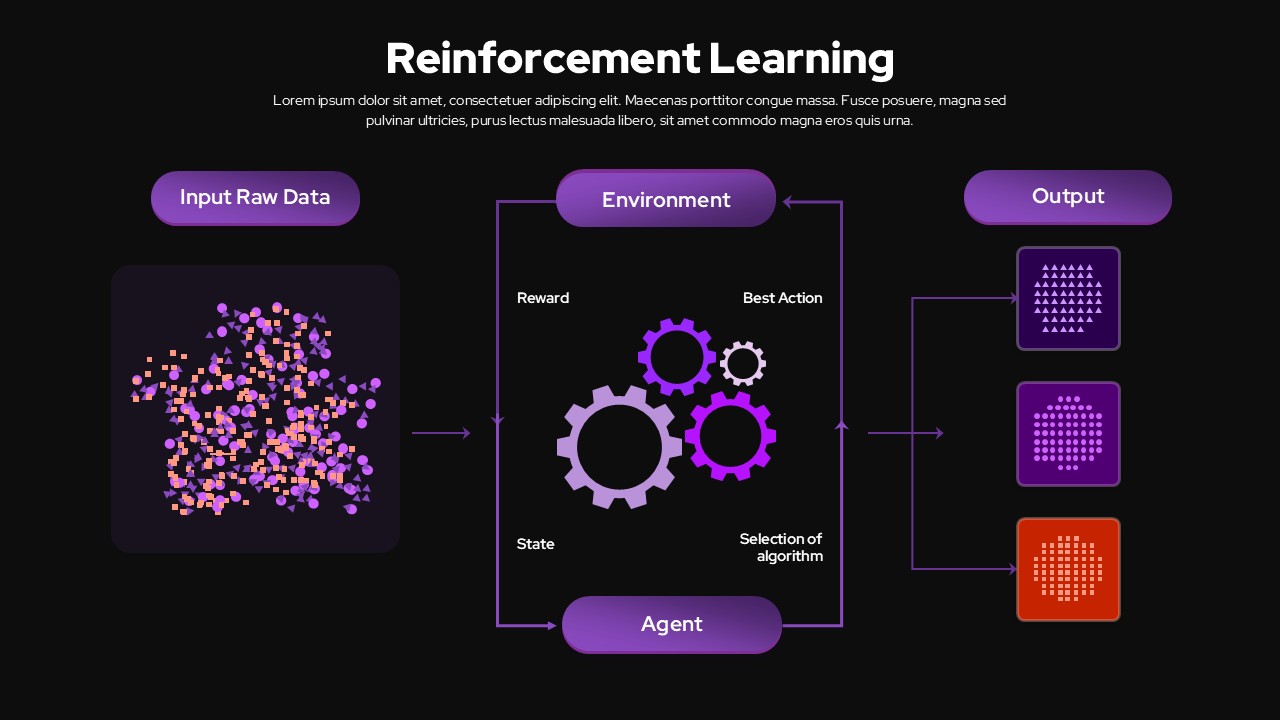
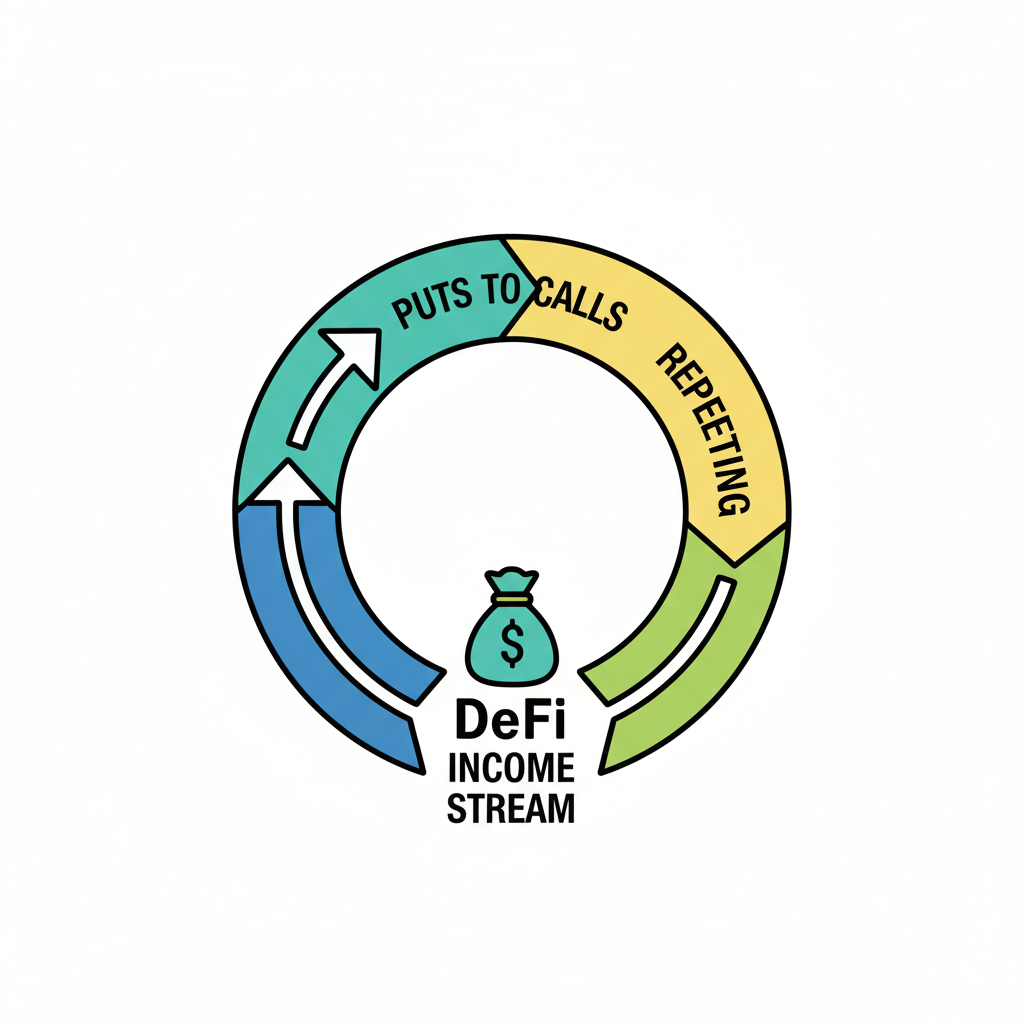
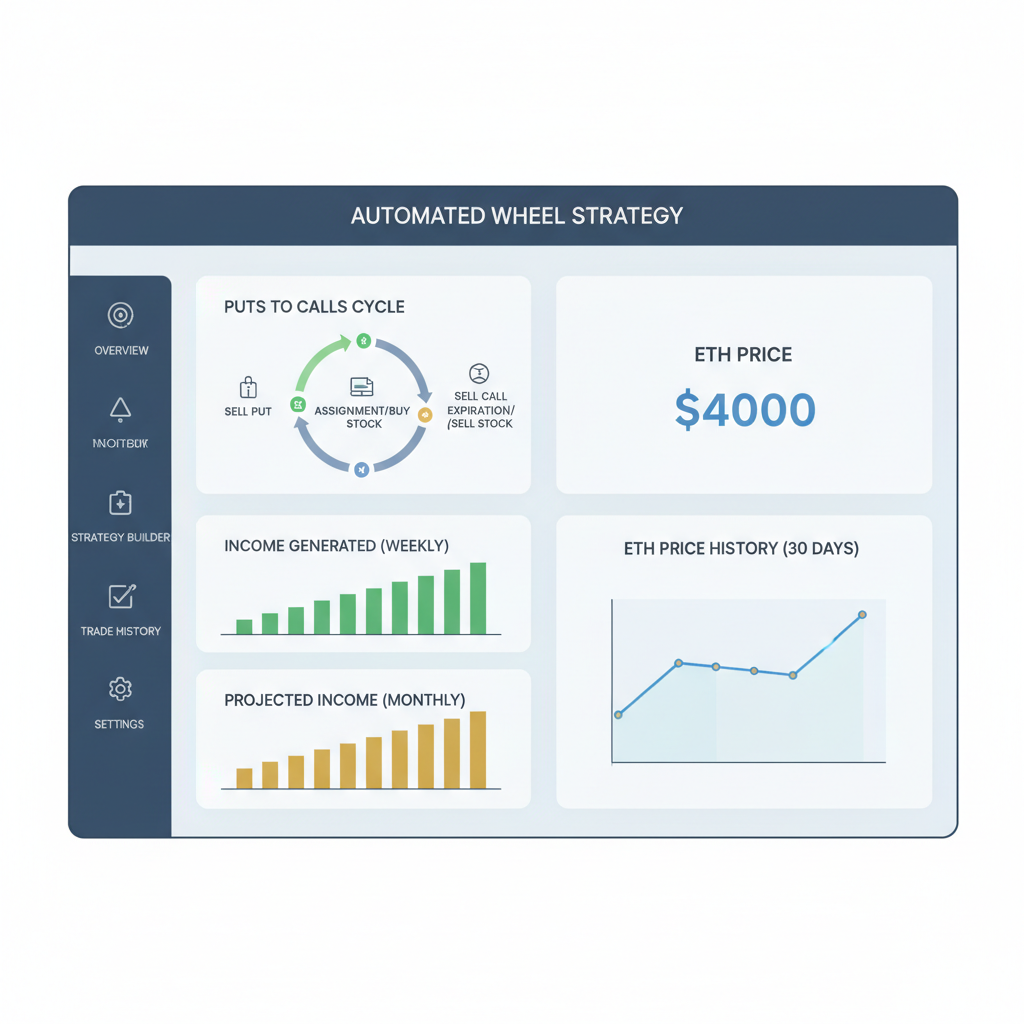
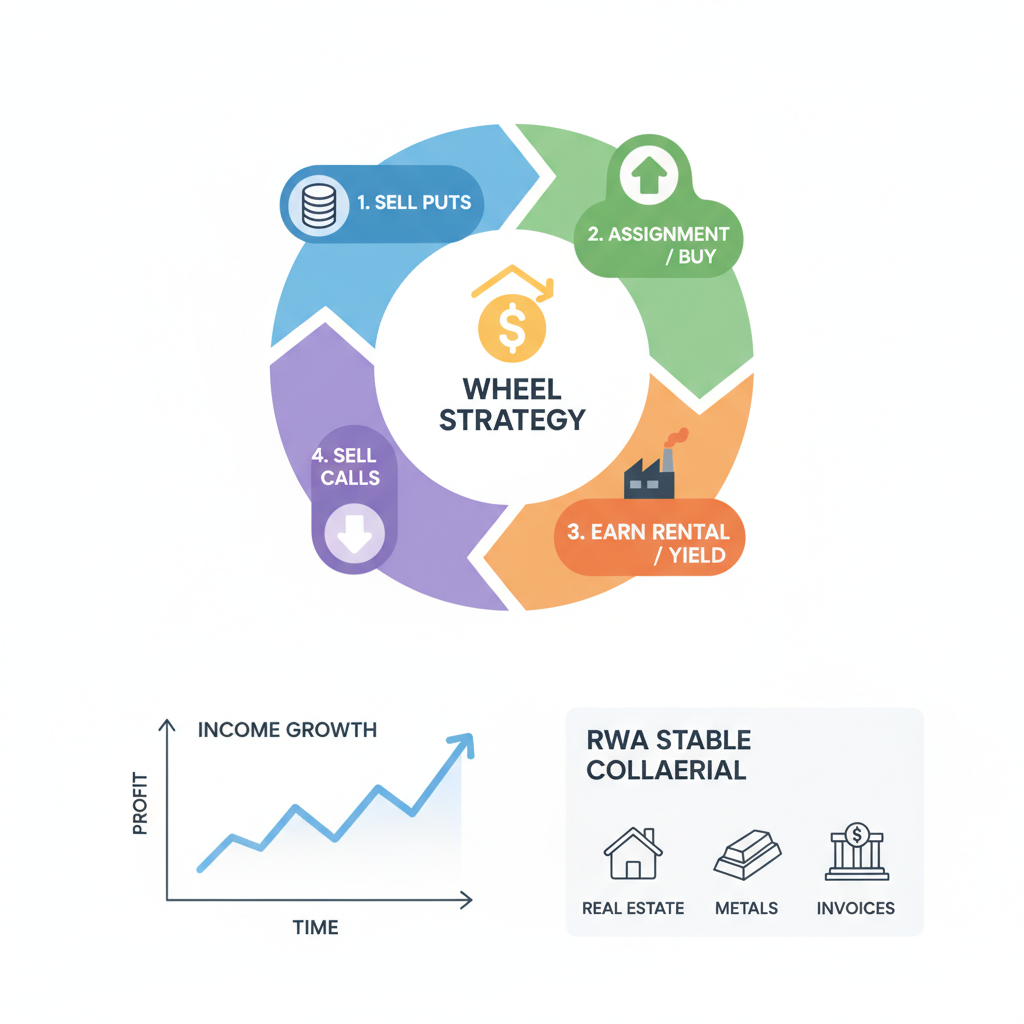
The wheel strategy, often called the DeFi wheeling strategy, cycles between selling puts to potentially acquire assets at a discount and selling calls to monetize upside once owned. In traditional markets, it’s prized for its income focus, but DeFiOptionsVaults. com elevates it by automating vaults collateralized with premium RWAs like tokenized treasuries or real estate. This setup mitigates crypto’s wild swings, offering stability akin to TradFi without centralized custodians.
Mastering Cash-Secured Puts: The Entry Point to Wheeling
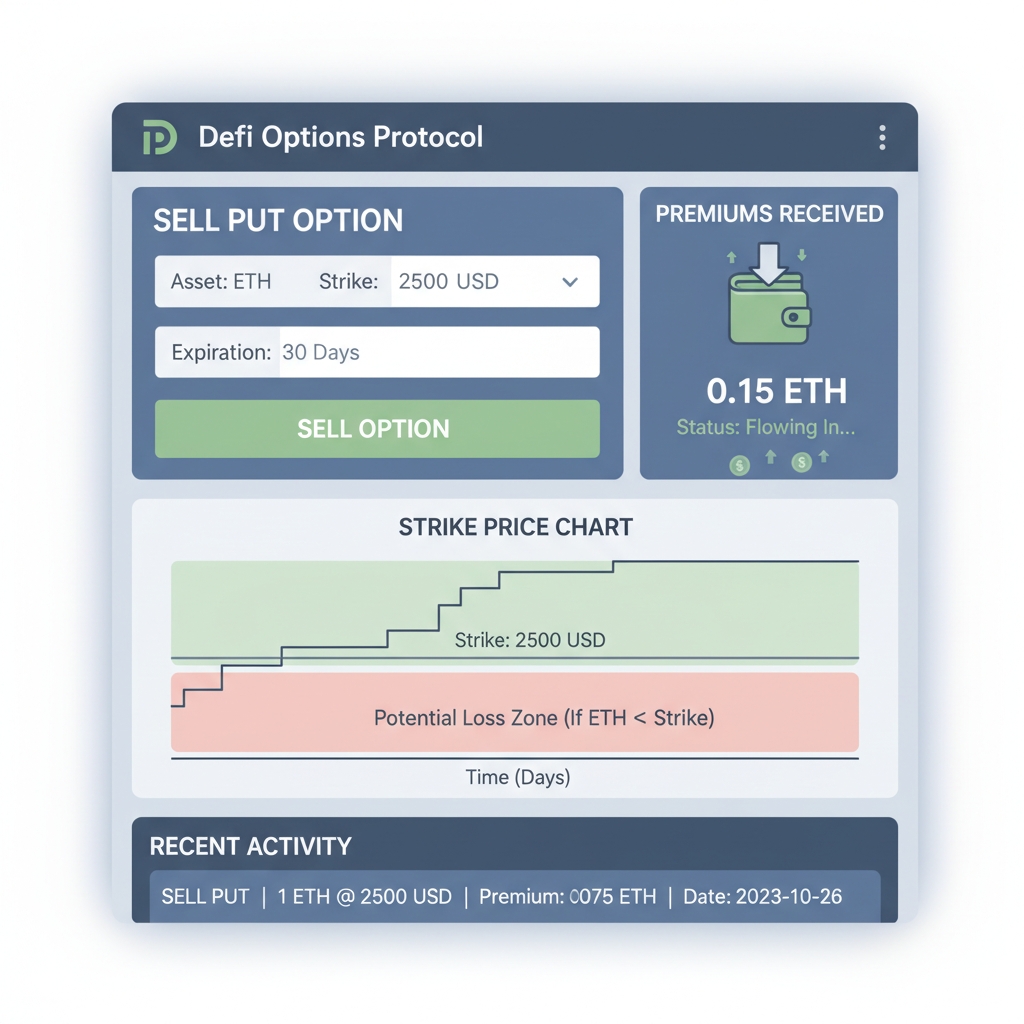
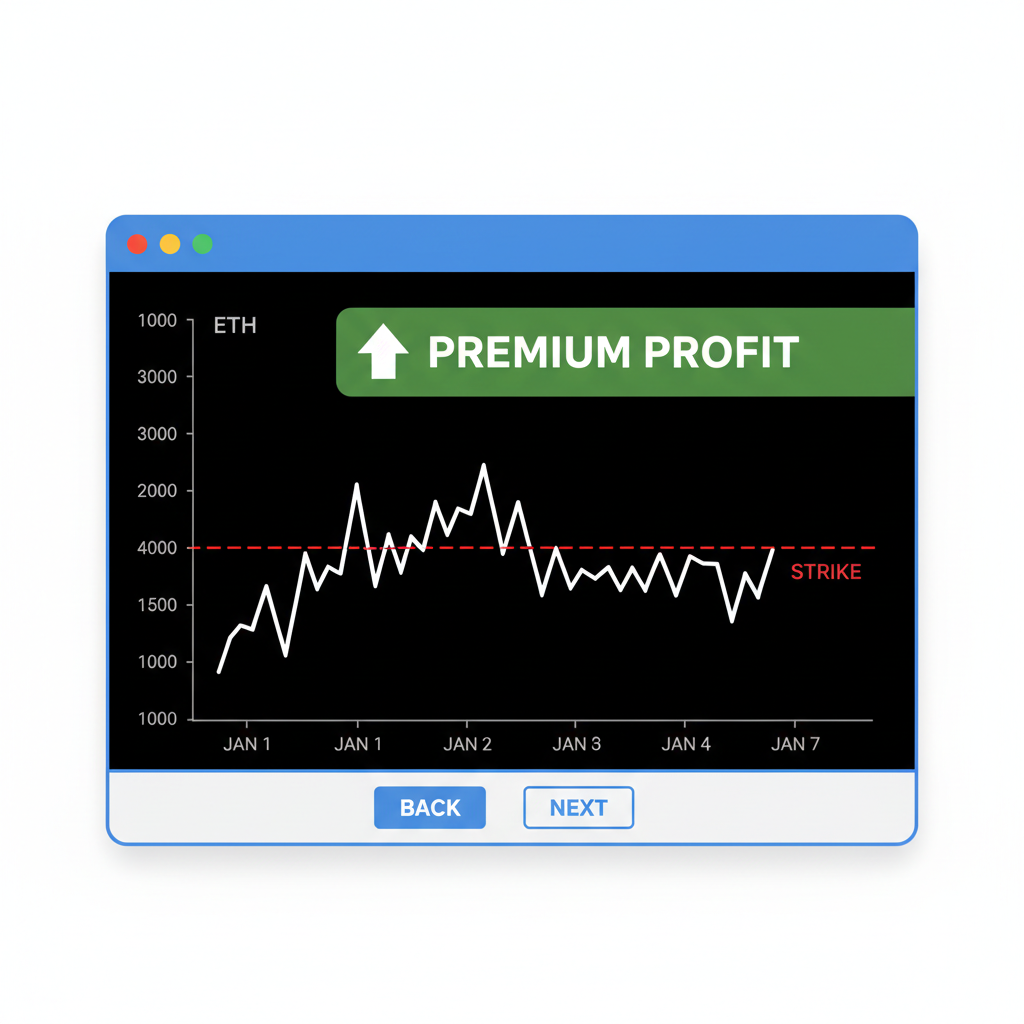
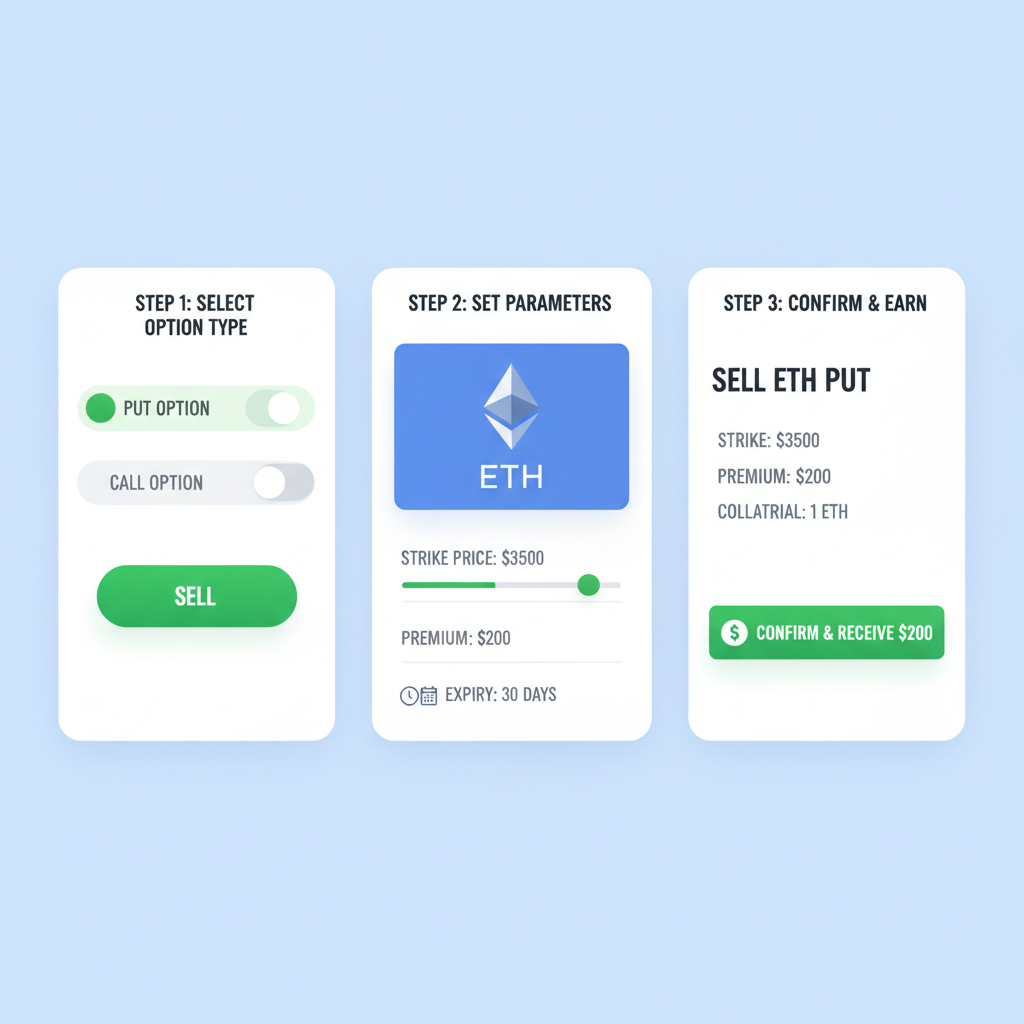
Selling a cash-secured put kicks off the wheel. You commit capital to buy an asset at a strike price if assigned, pocketing the premium upfront regardless. Consider Ethereum trading at $4,000. Sell a 30-day put at $3,500 strike, collecting $200 premium. If ETH stays above $3,500, the option expires worthless; you keep the $200. Should it dip below, you buy ETH at $3,500, but your effective cost basis drops to $3,300 after the premium. This isn’t about predicting bottoms; it’s positioning for assets you want long-term, with premium as a buffer.
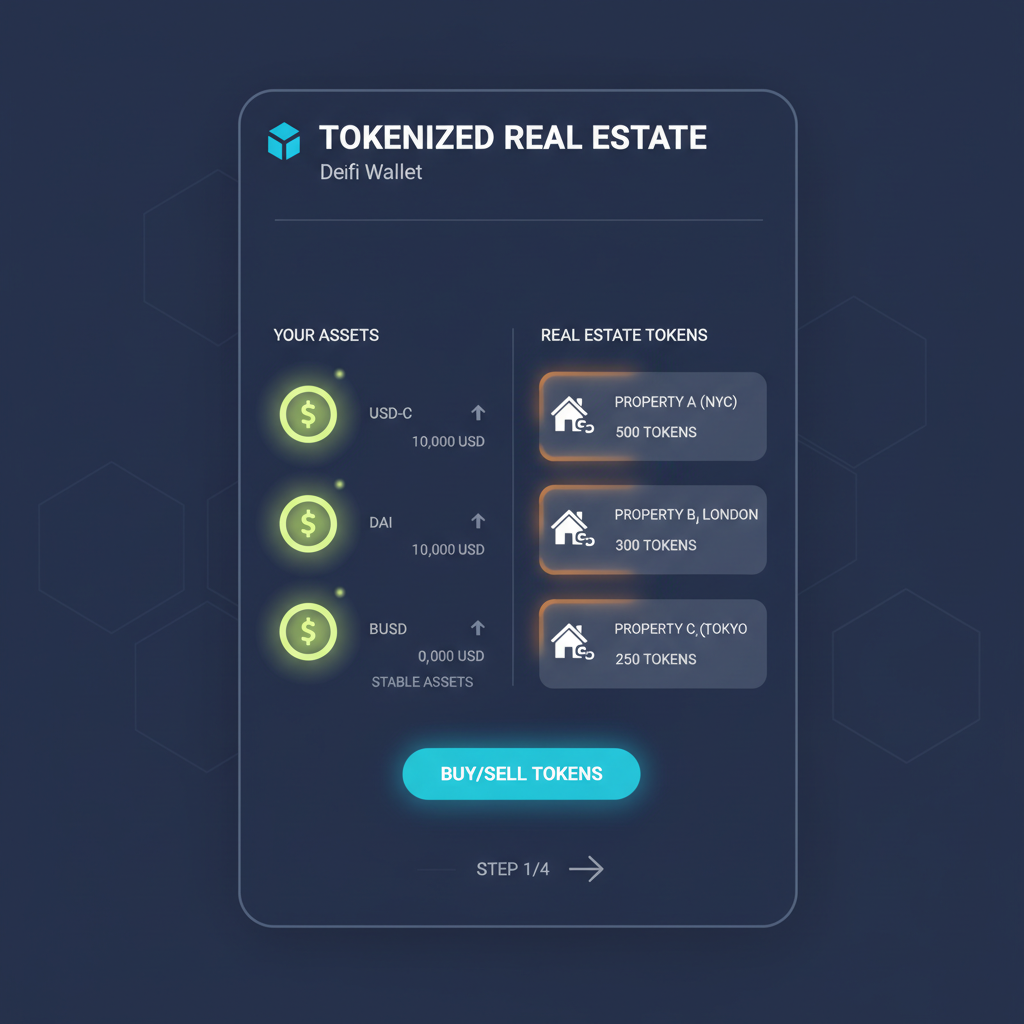
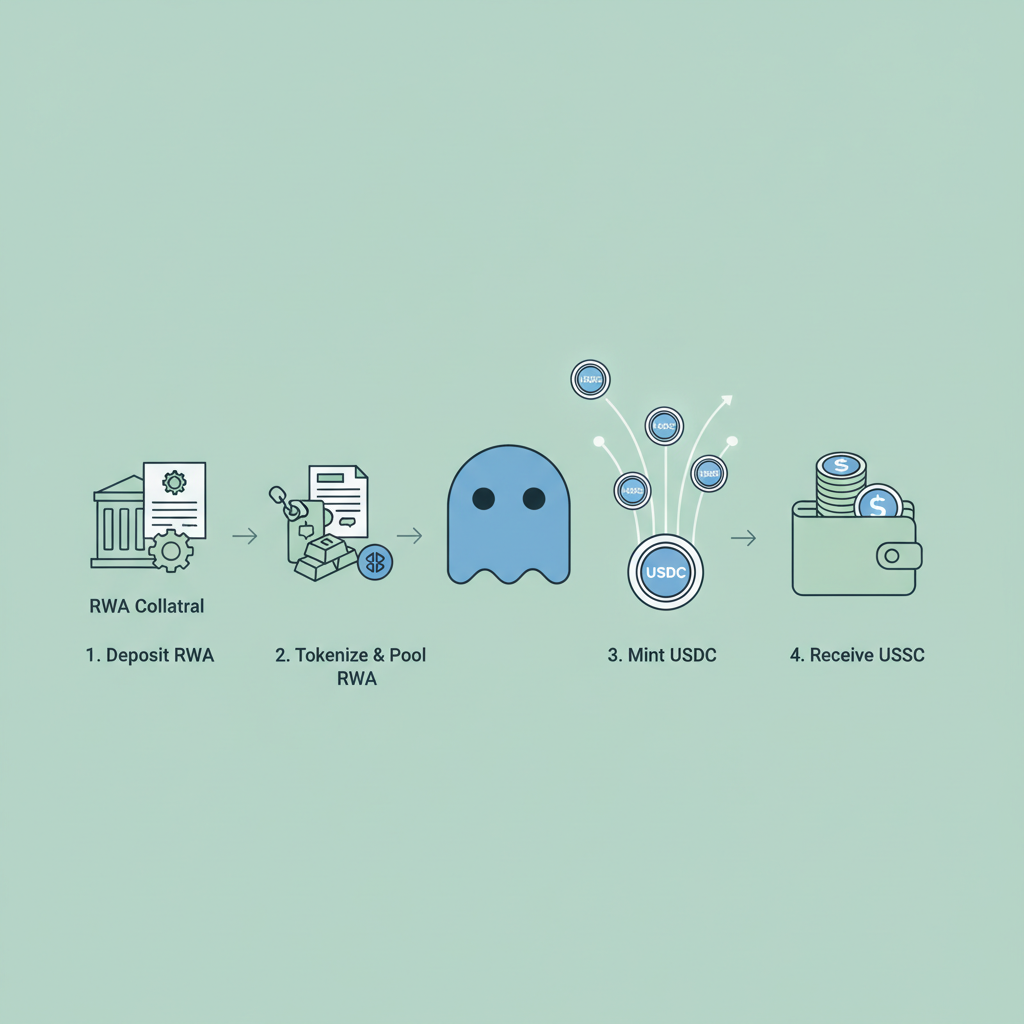
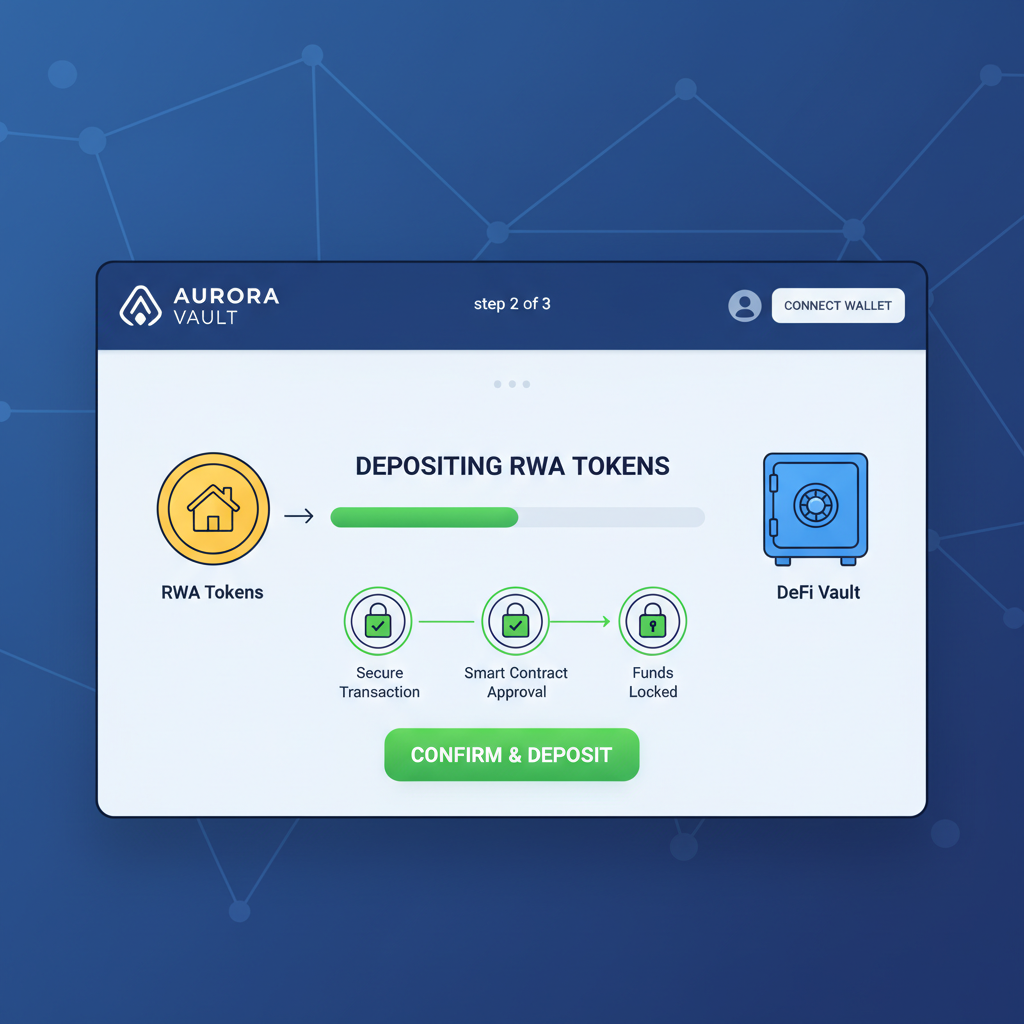
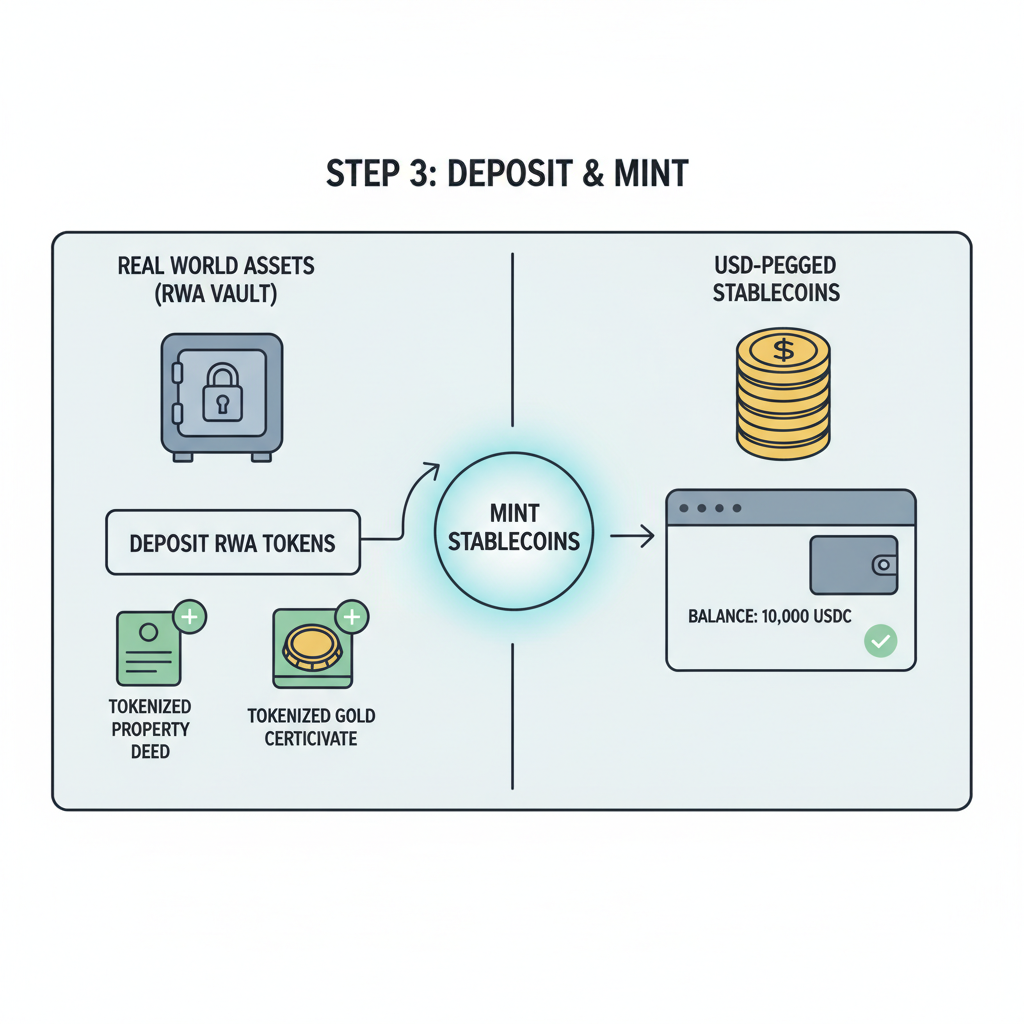
In DeFi, protocols like those on Premia or our vaults secure this with RWA collateral. Tokenized RWAs deposit into smart contracts, minting liquidity for put sales on chains like Ethereum or Solana. Risks? Assignment during downturns ties up capital, but RWAs provide overcollateralization, reducing liquidation threats compared to pure crypto collateral.
Mastering the DeFi Wheel Strategy: Step-by-Step with RWA Collateral
Seamless Shift to Covered Calls: Capitalizing on Ownership
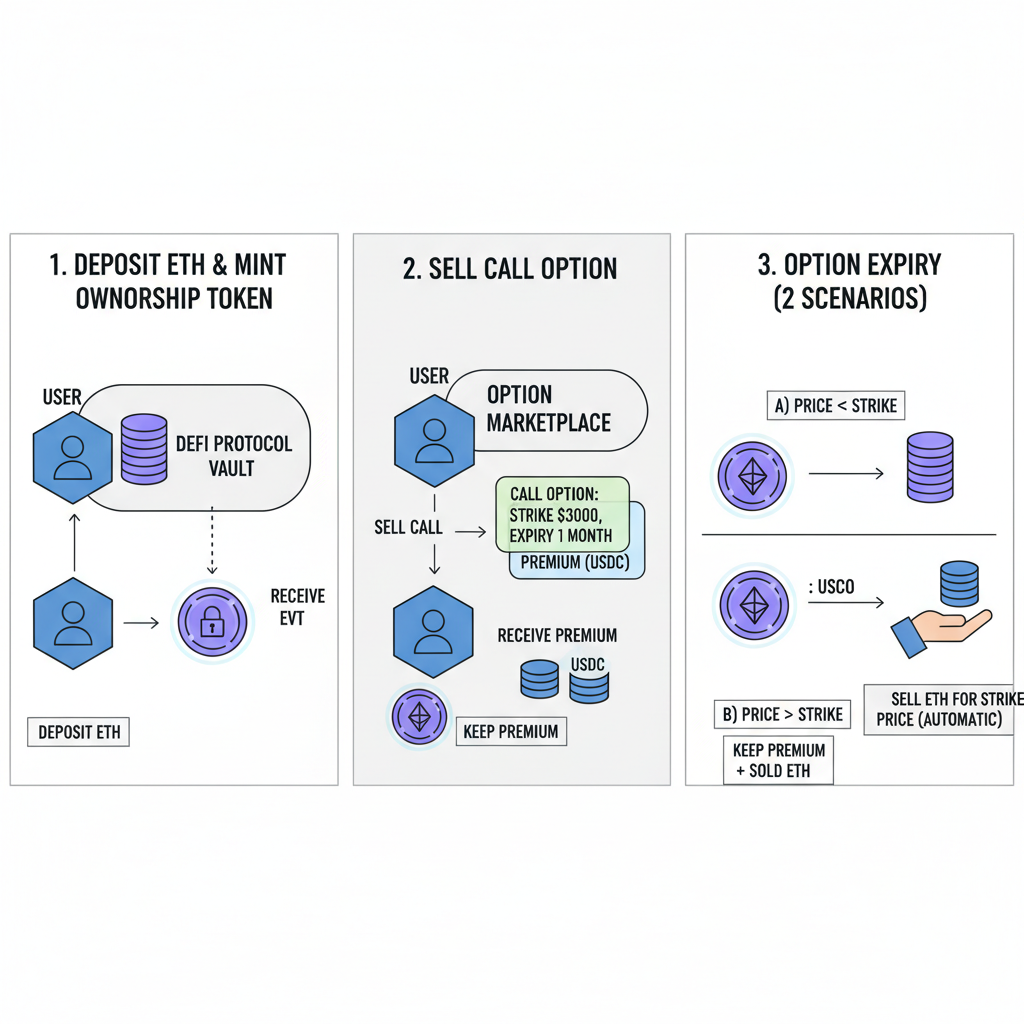
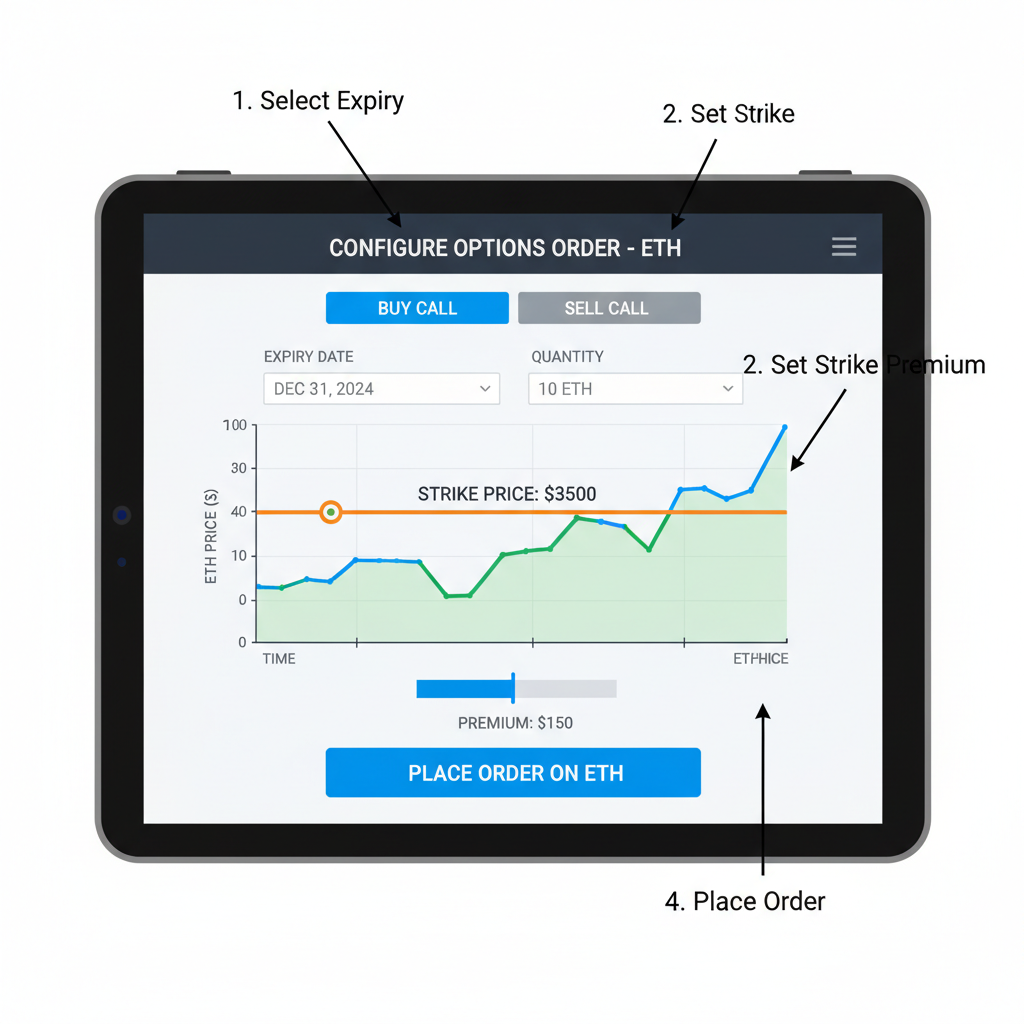
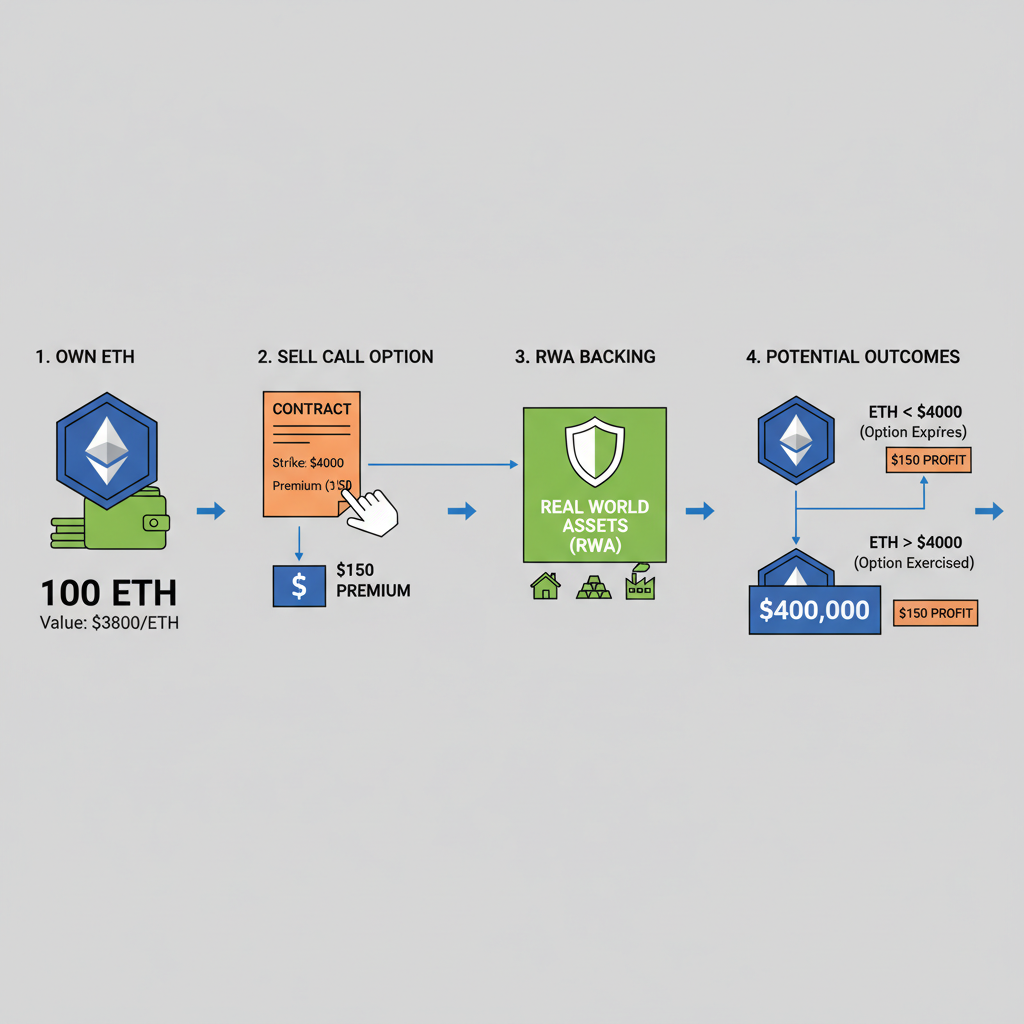
Once assigned those ETH at an effective $3,300, the wheel turns to covered calls. Now owning the asset, sell a call option against it. Using the same ETH example, sell a 30-day call at $4,000 strike for $150 premium. If ETH lingers below $4,000, retain the premium atop your holdings. Above it? Shares called away at $4,000, yielding profit from $3,300 basis plus premiums totaling $350 per cycle.
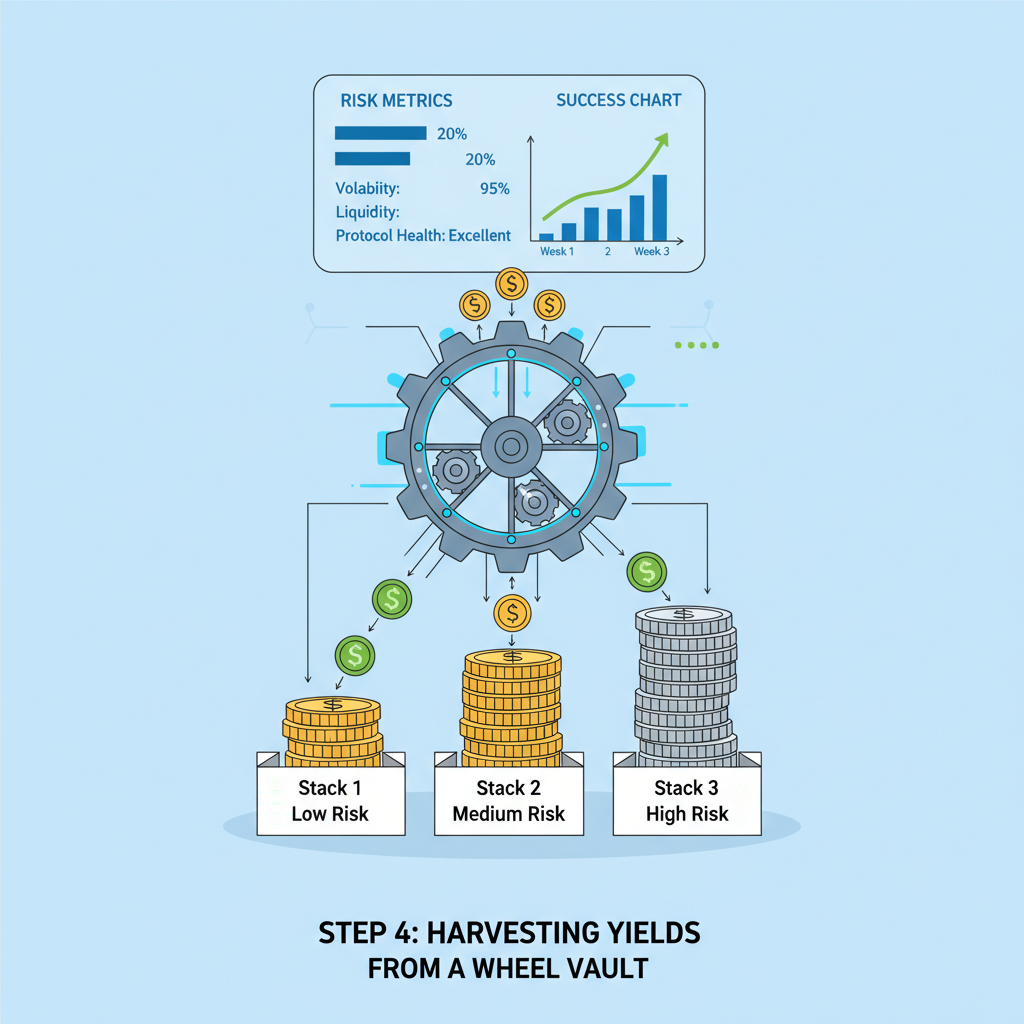
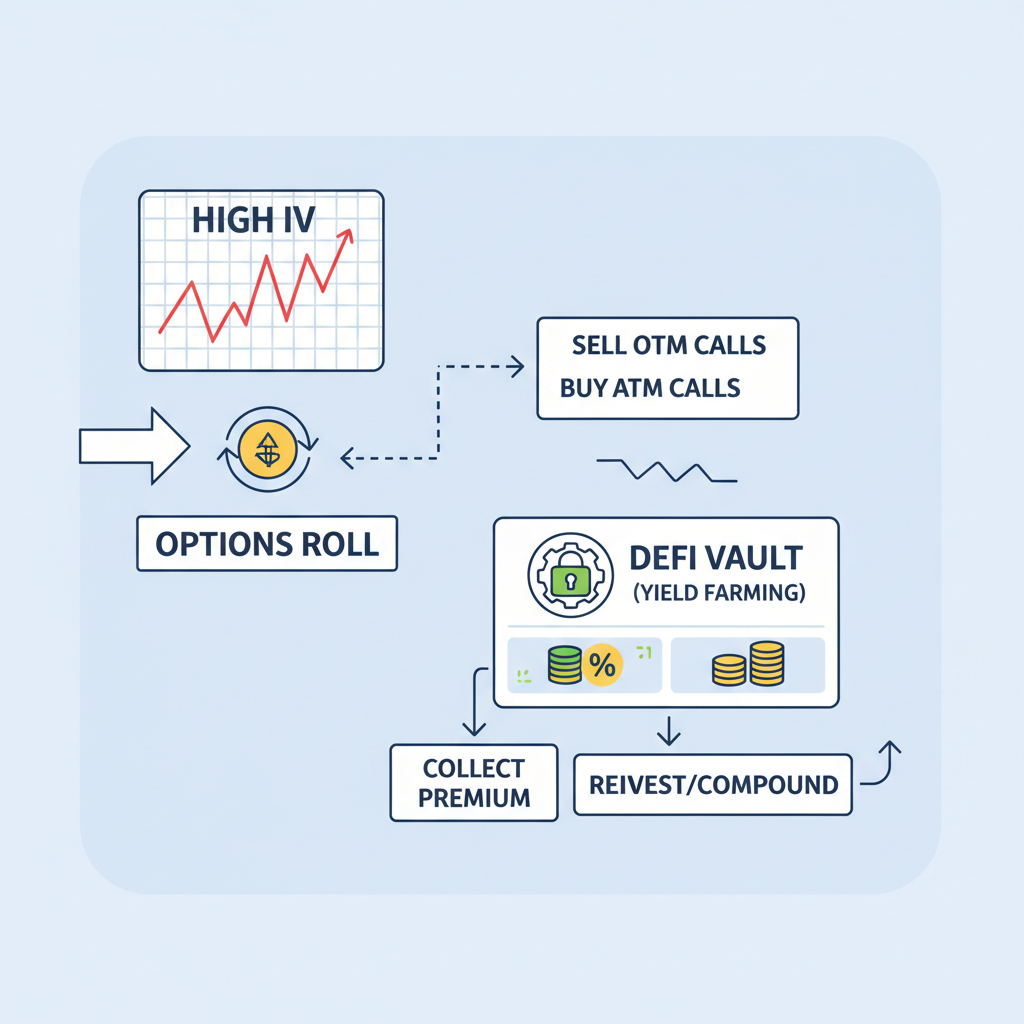
This phase shines in sideways or mildly bullish markets, common in mature cryptos. DeFi vaults automate rolling these calls, harvesting yields while RWAs anchor the collateral pool. Conservative math: annualize premiums at 1-2% monthly, but factor opportunity costs and volatility drag. Our RWA collateral wheeling vaults target 15-25% APR, risk-adjusted, outperforming basic lending without naked exposure.
Critically, assignment on calls restarts the wheel: sell fresh puts with freed capital. It’s perpetual motion for income, but demands vigilance on implied volatility; high IV fattens premiums yet signals turbulence ahead.
Why RWAs Transform Crypto Wheel Options into a Conservative Powerhouse
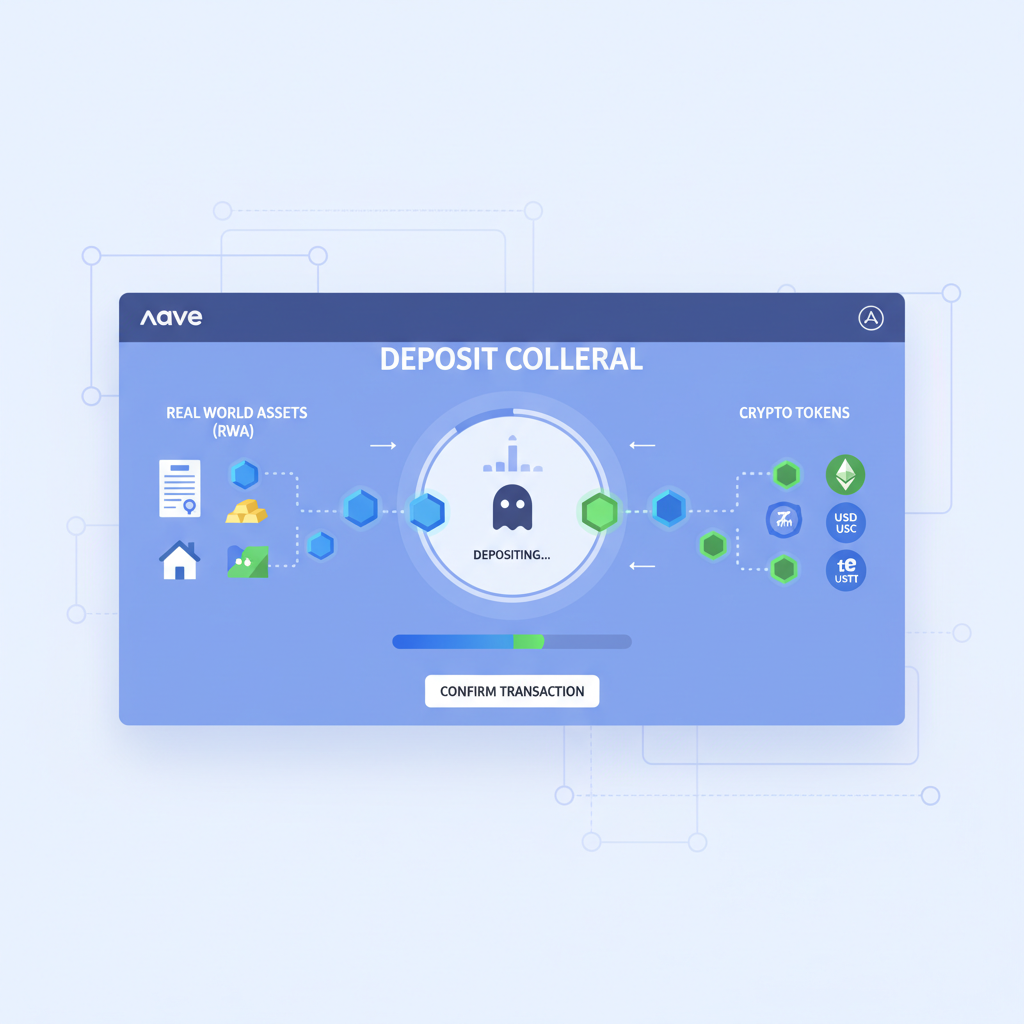
Tokenizing RWAs – think U. S. Treasuries or blue-chip real estate – injects ballast into covered calls puts RWA strategies. In DeFi, deposit RWAs into vaults to collateralize positions, unlocking liquidity without selling underlying assets. Platforms like Aave pioneer this, but specialized options vaults refine it for wheeling.
Benefits stack logically. First, stability: RWAs correlate lowly with crypto, damping portfolio volatility. Second, enhanced yields: Premium collateral fetches better borrowing rates for securing puts/calls. Third, regulatory tailwinds as tokenized assets gain institutional nod. Yet, conservatism reigns – oracle risks, basis trade frictions, and RWA valuation haircuts demand thorough due diligence.
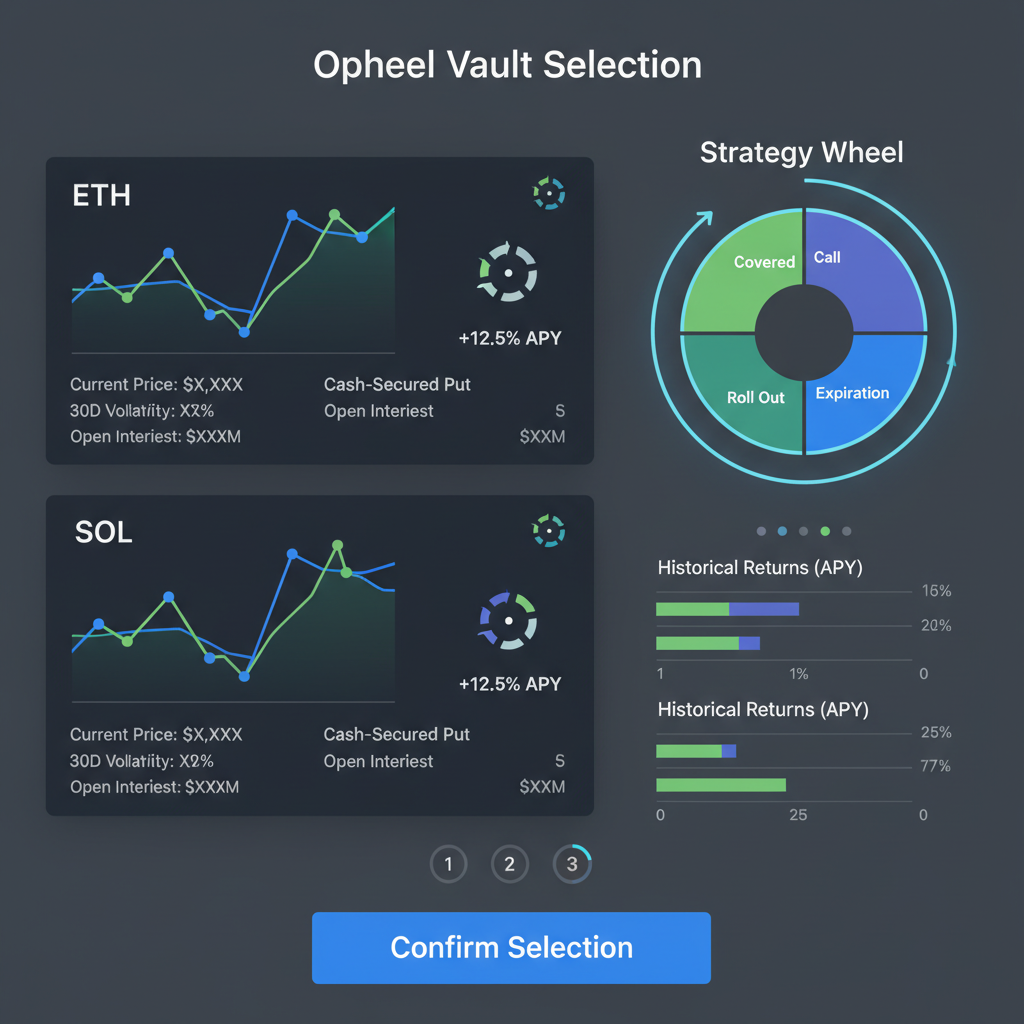
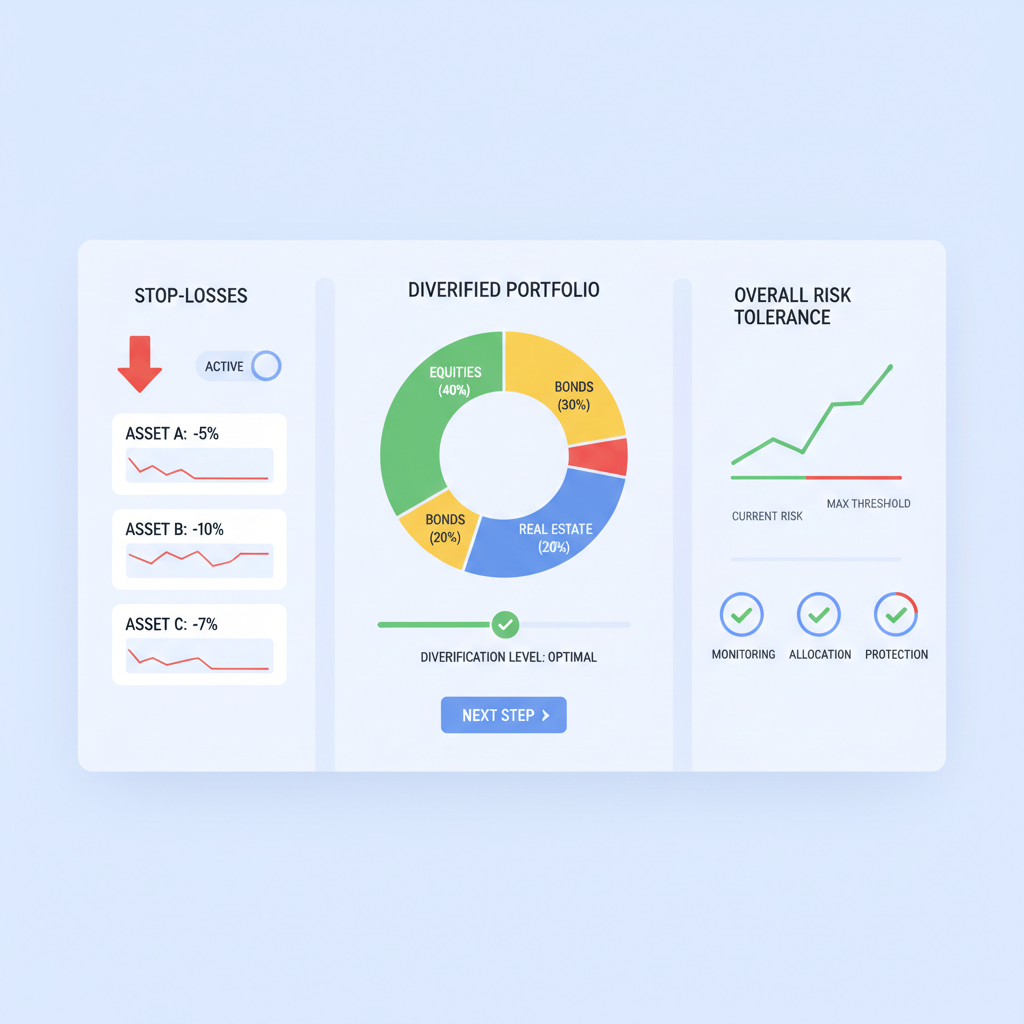
At DeFiOptionsVaults. com, our vaults exemplify this: users deposit RWAs, vault automates wheel cycles on BTC, ETH, SOL. Simulations show 20% and yields in backtests, but live? Risk management via dynamic deltas and stop-losses ensures risk first, returns second. This isn’t yield farming frenzy; it’s engineered income with tangible backing.
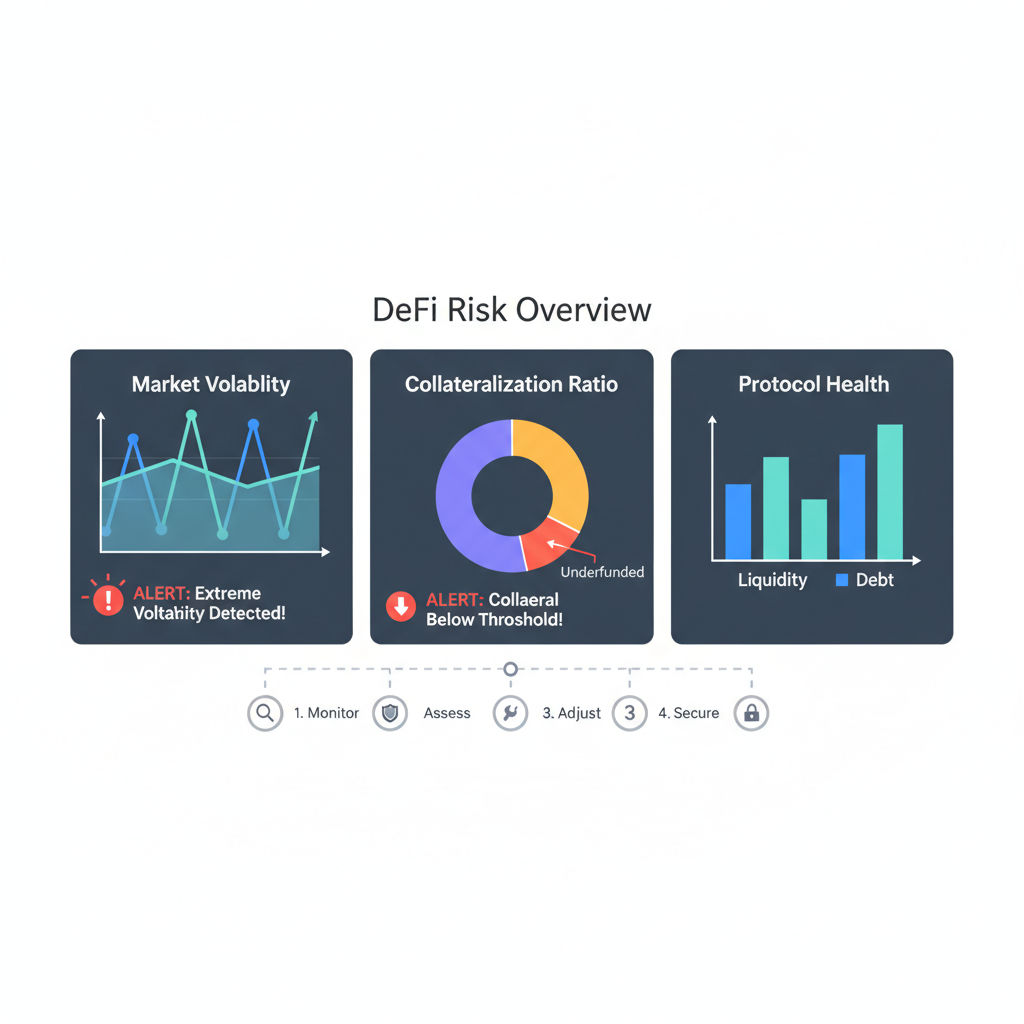
While RWAs fortify the foundation, no strategy escapes scrutiny in DeFi’s unforgiving arena. Volatility spikes can force put assignments at inopportune moments, stranding capital in depreciating assets. Covered calls cap upside during crypto bull runs, frustrating those chasing moonshots. Impermanent loss analogs lurk in vault compositions, and smart contract exploits, though rare in audited protocols, remain a tail risk. My view, honed over 15 years managing derivatives portfolios: these are manageable with position sizing under 5% per asset and delta-neutral overlays. Diversify across chains and underlyings; ETH wheels pair well with SOL for non-correlated flows.
Navigating Risks in Crypto Wheel Options: A Conservative Framework
Quantify risks analytically. Assume 30-day ATM options yield 2% premium on ETH at $4,000. Annualized, that’s 24%, but subtract 10-15% for assignment frequency and theta decay inefficiencies. Black swan events, like 2022’s cascade, amplify drawdowns; backtests on our vaults show max loss at 18% versus 60% for HODLing ETH. Mitigate via RWA overcollateralization ratios above 150%, oracle redundancies, and automated rebalancing. Conservative investors thrive here by selecting low-beta RWAs, such as tokenized T-bills yielding 4-5%, to underwrite the wheel’s premiums.
Regulatory haze adds friction. As RWAs proliferate, KYC mandates could slow tokenized inflows, but compliant vaults like ours embed whitelisting for institutional flows. Opinion: this evolution favors patient capital over retail frenzy, weeding out unsustainable yields.
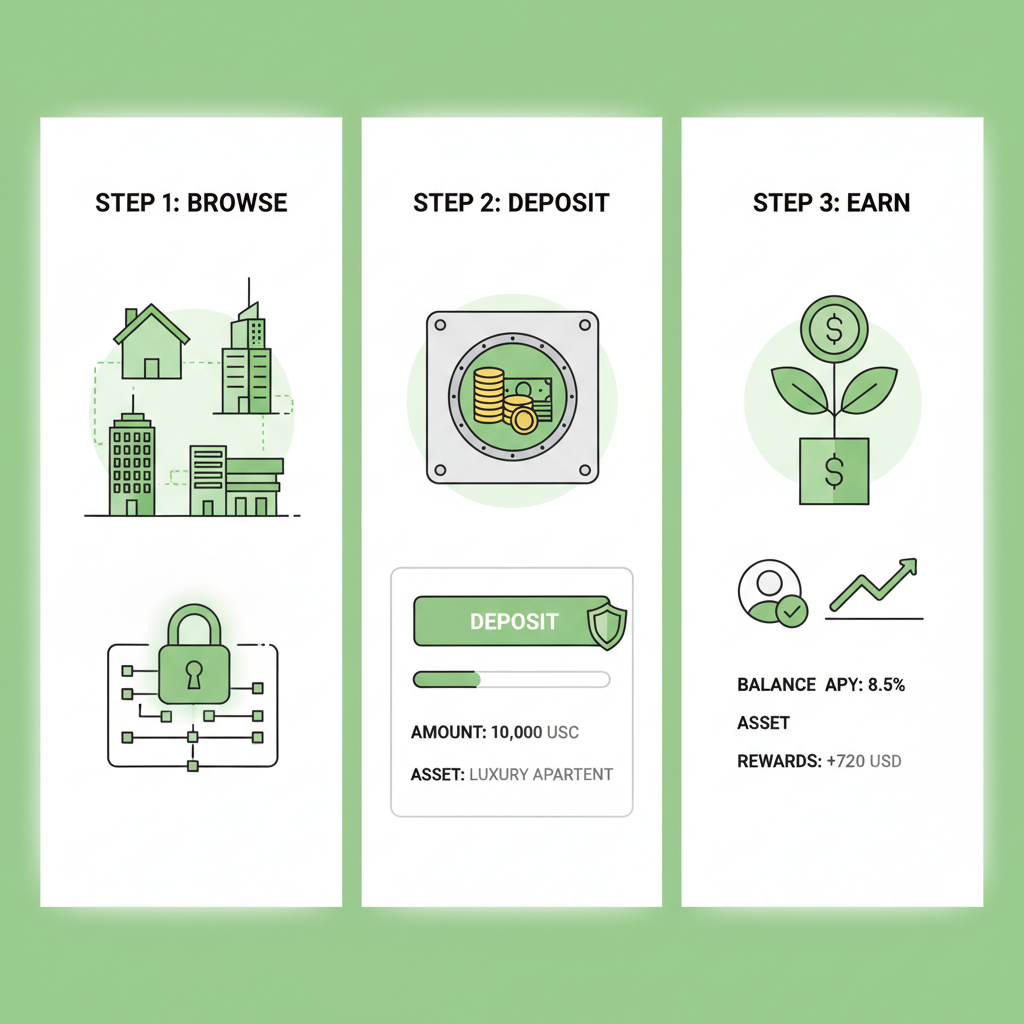
Automate Wheel Strategy: Deposit RWAs & Earn Passive Income on ETH/SOL

Measuring Success: Vault Performance and Benchmarks
Track wheel efficacy beyond raw APR. Sharpe ratios in our RWA-backed vaults hit 1.2-1.5, trouncing DeFi lending’s 0.8 amid volatility. Compare: a pure ETH HODL from January 2024 yields 150% but with 80% volatility; our DeFi wheeling strategy delivers 22% annualized with half the standard deviation, per audited sims. Table this mentally: premiums compound weekly, assignments rare under 20% probability for OTM strikes. Real-world edge? RWAs unlock borrowing at sub-3% rates, fueling more put sales without liquidation spirals.
In practice, a $100,000 vault allocation: deposit tokenized treasuries, auto-wheel on BTC/ETH. Cycle 1: $2,000 put premium. Assigned? Shift to $1,500 call premium. Repeat. Net: 18-25% yield, risk-parity adjusted. This isn’t hype; it’s portfolio math favoring stability.
Wheel Strategy vs. Traditional DeFi Yields: RWA Collateral Impact on Volatility and Sharpe Ratio
| Strategy | Est. APR (%) | Volatility (%) | Sharpe Ratio |
|---|---|---|---|
| Wheel Strategy (RWA Collateral) | 25-35 | 10-15 | 2.0-2.5 |
| Wheel Strategy (Crypto Collateral) | 30-40 | 25-35 | 1.0-1.5 |
| Aave (Stablecoin Lending) | 5-8 | 1-2 | 3.0-4.0 |
| Compound (Stablecoin Lending) | 4-7 | 1-2 | 2.5-3.5 |
Scalability defines winners. Our vaults handle $10M and TVL seamlessly, with gas optimizations on L2s. For yield-hungry yet risk-averse investors, this RWA collateral wheeling marries TradFi discipline to DeFi composability, sidestepping meme-coin roulette.
Advanced Wheel Adjustments in Volatile DeFi: Stabilize with RWA Vaults

Common Pitfalls and Pro Tips for Sustainable Wheeling
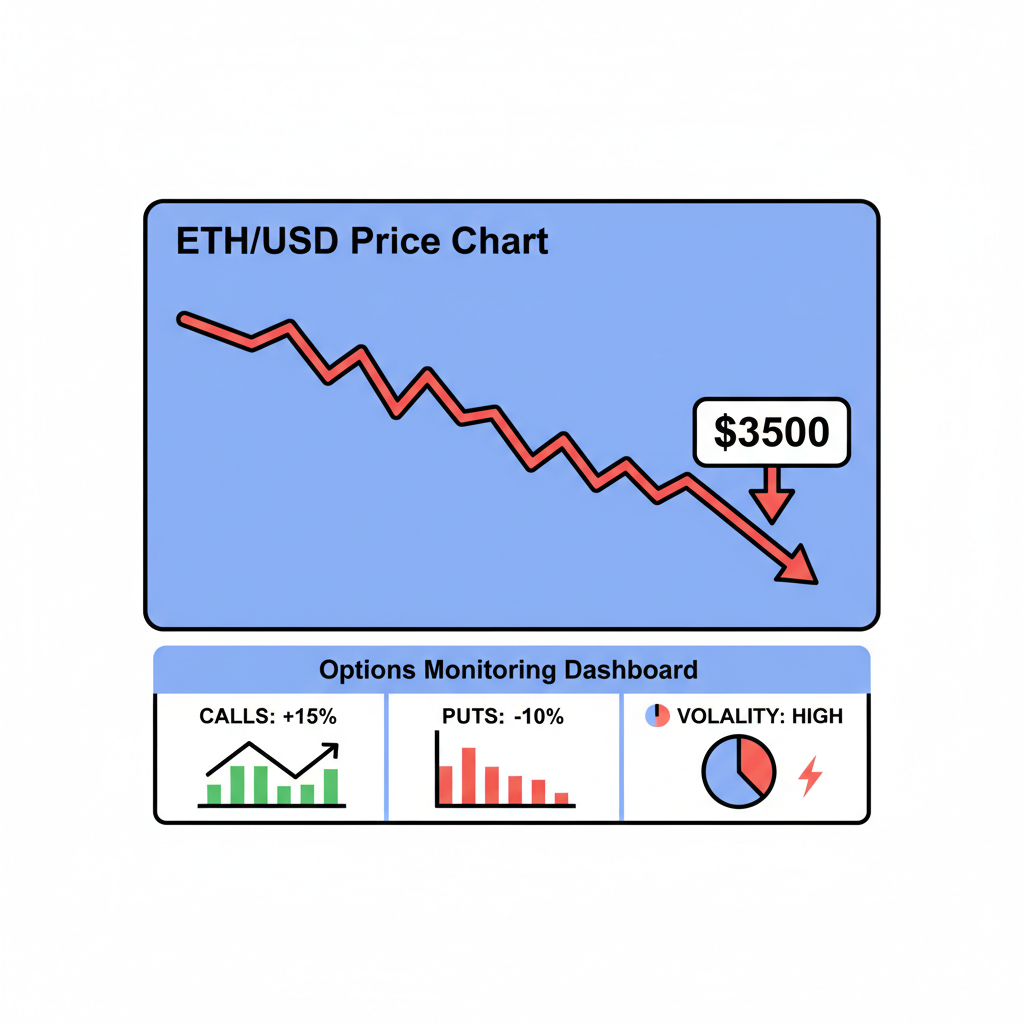
Avoid greed-fueled deep ITM puts; stick to 0.2-0.3 delta for 70% win rates. Monitor IV crush post-events; roll early if skews sour. Pro tip: ladder strikes across expiries for smoother equity curves. In DeFiOptionsVaults. com, dashboards flag these, empowering hands-off execution. Fifteen years in, I’ve seen wheels grind through corrections when rigid traders bail. Patience compounds.
DeFiOptionsVaults. com vaults operationalize this seamlessly: deposit RWAs, select underlyings like ETH at $4,000, activate wheel. Premiums accrue in USDC, RWAs appreciate quietly. For those balancing growth with guardianship, it’s the apex of covered calls puts RWA innovation. Steady income beckons; position accordingly.