RWA Collateral Covered Calls: DeFi Vault Strategies for 20%+ Yields in 2026

In the evolving landscape of decentralized finance, real-world assets (RWAs) have become the stabilizing force that DeFi investors crave. Tokenized U. S. Treasuries and bonds now underpin RWA collateral covered calls, enabling DeFi options vaults to deliver consistent yields north of 20% annually. With Ethereum trading at $2,020.00, these strategies stand out by blending the reliability of traditional assets with the income potential of options overlays, all while navigating crypto’s inherent volatility.

RWAs: The Anchor for High-Yield DeFi Vaults
Real-world assets are no longer a niche experiment; they dominate conversations across Reddit’s r/defi, LinkedIn analyses, and X threads. Discussions highlight the shift from purely liquid, crypto-correlated strategies – which cluster around 6-8% yields – to RWA-backed vaults pushing boundaries. Gauntlet Networks curates levered RWA vaults that unlock yields unavailable in traditional formats, while Chaos Labs warns against viewing vaults as mere yield machines, emphasizing their evolution into sophisticated fund wrappers.
Take BlackRock’s BUIDL fund on Ethereum: it generates a baseline 4.5% APY from T-bills. Layer on covered calls, and you amplify returns without abandoning prudence. Projections see RWA markets ballooning to $9.4-18.9 trillion by 2030, igniting DeFi’s next yield supercycle. Yet, as a CFA charterholder with roots in traditional finance, I approach this optimism cautiously. RWAs mitigate downside through low-volatility collateral, but they introduce redemption risks and dependency on off-chain asset performance.
Yield-bearing stablecoins run recursive RWA strategies internally, lifting DeFi’s baseline activity.
Unpacking Covered Calls in RWA-Backed DeFi Options Vaults
Covered call strategies thrive on owned underlying assets, and DeFi options vaults RWA elevate this by collateralizing with tokenized real estate or treasuries. Here’s the prudent setup: deposit ETH or stables into an ERC-4626 compliant vault. A portion – say 50% – allocates to RWAs earning 4-5% baseline yield. The remainder supports writing out-of-the-money calls on ETH, collecting premiums that compound into 20% and APY.
At Ethereum’s current $2,020.00 price, a vault might sell calls at a $2,200 strike. Premiums accrue immediately, providing income regardless of direction. If ETH stays below strike, calls expire worthless; retain assets and repeat. Upside breach? Deliver ETH, but RWA buffer cushions the handoff. This covered calls real world assets fusion outperforms ETH staking’s variable returns, especially in consolidations.
Institutions eye this via CEX interfaces, bypassing wallets for MiCA-compliant access. Yahoo Finance notes DeFi vaults blurring TradFi lines, letting firms earn on stables sans crypto custody. Still, risks loom large: capped upside forfeits rallies beyond strikes; smart contract exploits persist despite audits. I’ve seen too many protocols falter on edge cases, so diligence on vault composability and risk layers – per CoinDesk – is non-negotiable.
Ethereum (ETH) Price Prediction 2027-2032
Projections based on DeFi RWA vault strategies, market cycles, and 20%+ APY yields from covered calls, starting from $2,020 in 2026
| Year | Minimum Price | Average Price | Maximum Price | YoY % Change (Avg) |
|---|---|---|---|---|
| 2027 | $2,200 | $3,000 | $4,500 | +48% |
| 2028 | $3,500 | $5,000 | $8,000 | +67% |
| 2029 | $5,500 | $8,500 | $14,000 | +70% |
| 2030 | $7,000 | $10,000 | $16,000 | +18% |
| 2031 | $6,000 | $9,000 | $13,000 | -10% |
| 2032 | $8,500 | $12,500 | $20,000 | +39% |
Price Prediction Summary
ETH prices are forecasted to grow progressively through 2032, driven by RWA-backed DeFi vaults delivering consistent 20%+ yields, institutional adoption, and bull cycles in 2028-2030. Average price could reach $12,500 by 2032, with min/max reflecting bearish consolidations and bullish surges.
Key Factors Affecting Ethereum Price
- RWA market expansion to $9.4-18.9T by 2030 boosting ETH DeFi TVL
- 20%+ APY from covered calls on RWA collateral attracting yield-seeking capital
- Regulatory clarity via MiCA and institutional gateways reducing barriers
- Ethereum upgrades enhancing scalability and reducing fees
- Crypto market cycles with bull runs in 2028-2029 post-2026 consolidation
- Institutional inflows through frictionless vaults and ETFs
- Mitigated risks from hybrid RWA-crypto collateral despite capped upside in strategies
Disclaimer: Cryptocurrency price predictions are speculative and based on current market analysis.
Actual prices may vary significantly due to market volatility, regulatory changes, and other factors.
Always do your own research before making investment decisions.
Navigating Volatility for Sustainable 20% Yields
ETH’s 24-hour dip to $2,020.00 from a $2,084.56 high underscores volatility, yet RWA-backed vaults shine here. In 2025 consolidations, they locked 20% APY versus staking’s slump. RWAs act as shock absorbers: treasuries hold value in downturns, funding call premiums without forced sales.
Stable Summit panels underscore tokenized private credit’s role in yield engineering, with infrastructure maturing for institutional inflows. Peter Gaffney’s LinkedIn post pegs $10B vault TVL mostly in liquids, but RWAs carve the high-yield path. RWA backed options strategies like these demand conservative strike selection – 10-15% out-of-the-money – to balance premium capture and retention odds.
Opinion: this isn’t yield chasing; it’s engineered income with guardrails. Traditional finance taught me volatility erodes wealth unchecked, but DeFi’s programmability adds precision. That said, over-leveraging RWAs invites liquidity crunches, as seen in past stablecoin wobbles.
To deploy these strategies without courting unnecessary peril, focus on protocols with proven track records and layered risk assessments. Chaos Labs rightly points out that vaults transcend simple yield generation, functioning as programmable money market analogues complete with redemption safeguards and composability features.
Risk-Adjusted Yield Comparison: RWA Covered Calls vs. ETH Staking & Liquid DeFi
| Strategy | APY Range | Volatility Exposure | Smart Contract Risk Score | Oracle Dependencies | Custody Challenges | Counterparty Risks | Recommended Allocation |
|---|---|---|---|---|---|---|---|
| RWA Collateral Covered Calls | 20%+ | 🟢 Low | 🟡 Medium (7/10) | 🟡 Medium | 🟡 Medium | 🟡 Medium (Options) | 50-70% |
| ETH Staking | 4-6% | 🔴 High | 🟢 Low (9/10) | 🟢 Low | 🟢 Low | 🟢 Low | 20-30% |
| Liquid DeFi Strategies | 6-8% | 🔴 High | 🟡 Medium (6/10) | 🟡 Medium | 🟡 Medium | 🟢 Low | 10-20% |
Step-by-Step: Entering RWA Covered Calls Vaults
Practical execution separates theory from returns. Gauntlet’s levered RWA vaults exemplify enhanced opportunities, but execution requires method. Start with wallet-funded stables or ETH at the current $2,020.00 price point, targeting ERC-4626 standards for seamless composability.
5 Steps to Safely Deposit into RWA-Backed Covered Call DeFi Vaults for 20%+ Yields

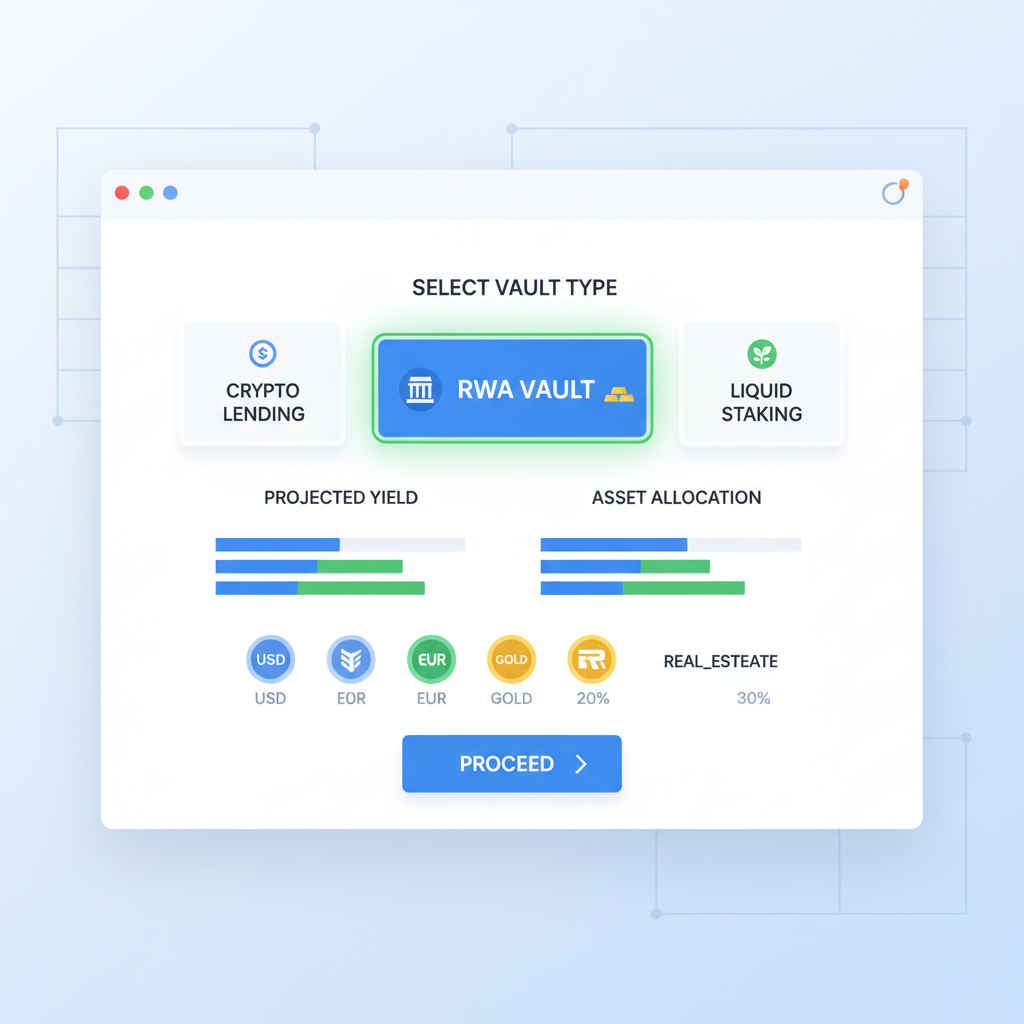

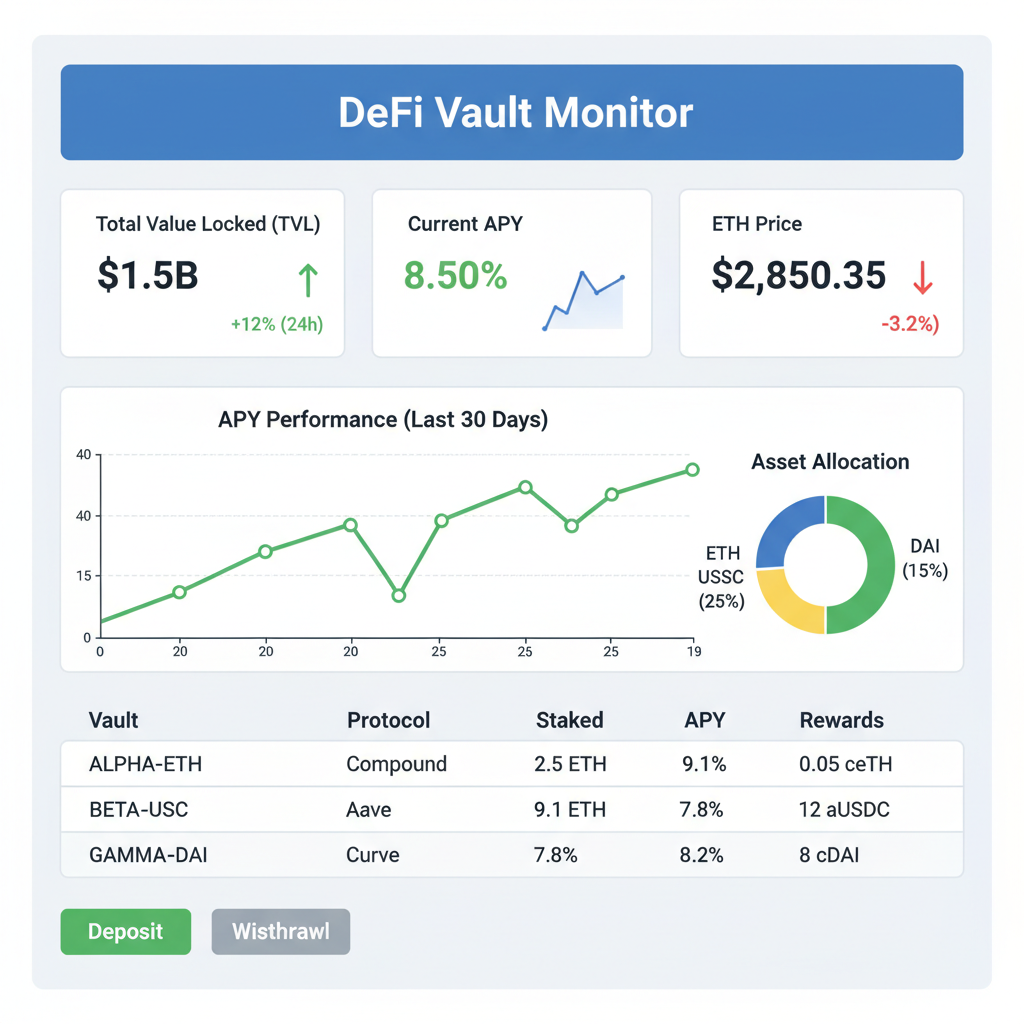
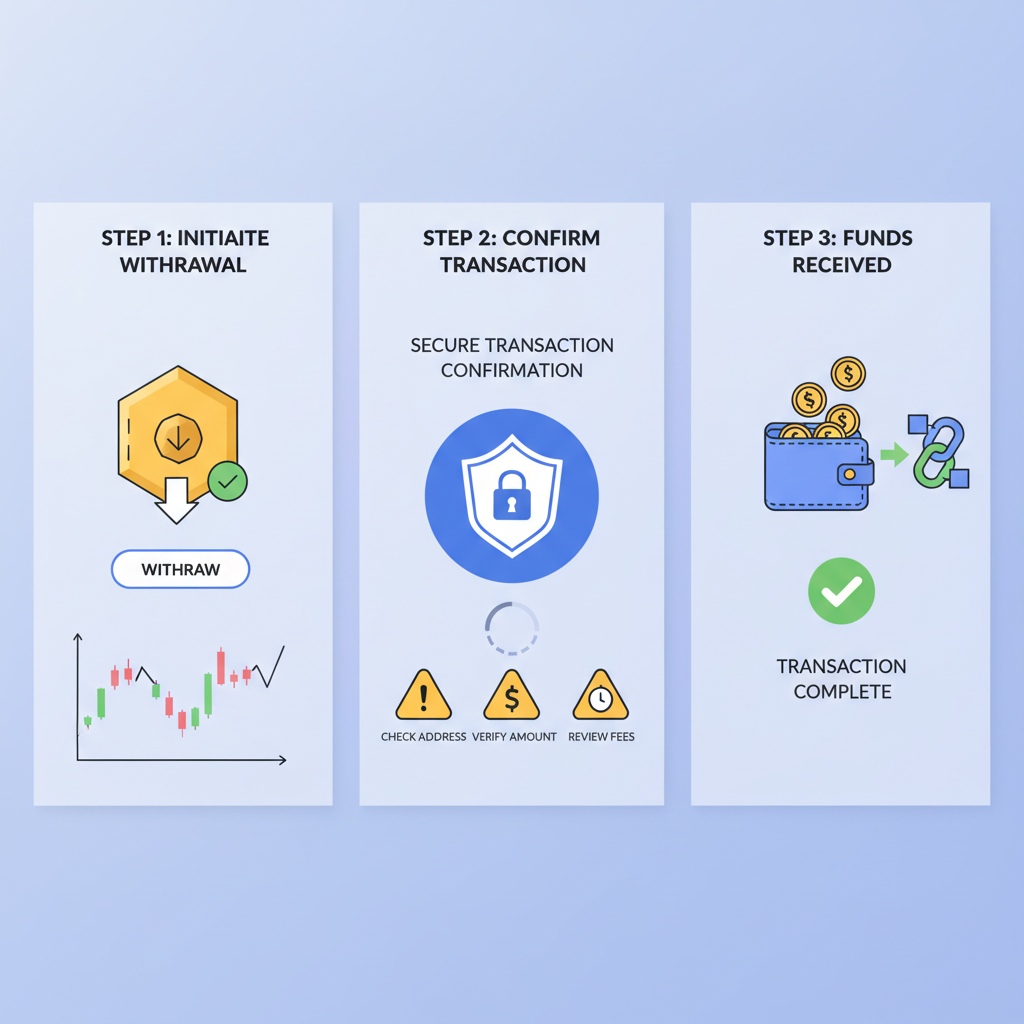
This process, refined over iterations, minimizes gas fees during Ethereum’s consolidation around $2,020.00. Monitor 24-hour metrics closely: a -0.0180% change signals stability ideal for writing calls 10% out-of-the-money at $2,222.00 strikes.
Post-deployment, active management trumps passivity. Adjust allocations quarterly based on RWA performance and ETH volatility. In 2026, as RWA TVL surges past $10B thresholds noted by Peter Gaffney, liquidity deepens, but early movers face thinner markets.
2026 Outlook: Scaling Yields Responsibly
With RWAs projected to underpin trillions in tokenized value, covered calls real world assets vaults position DeFi for institutional scale. BlackRock’s BUIDL at 4.5% sets the floor; options premiums build the ceiling toward 25% in bullish ETH scenarios hovering near $2,020.00. Yet prudence dictates diversification: cap exposure at 20% of portfolio, blending with unlevered staking.
Reddit’s r/defi buzz on top RWA yields underscores demand, but chase proven protocols over hype. My 15 years bridging TradFi to DeFi affirm: sustainable wealth favors those who layer caution atop innovation. These vaults, when navigated astutely, deliver 20% and yields not as lottery tickets, but as engineered outcomes resilient to Ethereum’s $2,020.00 troughs and peaks alike. Investors ready to harness this hybrid power will find DeFi’s maturity rewarding those who respect its edges.