
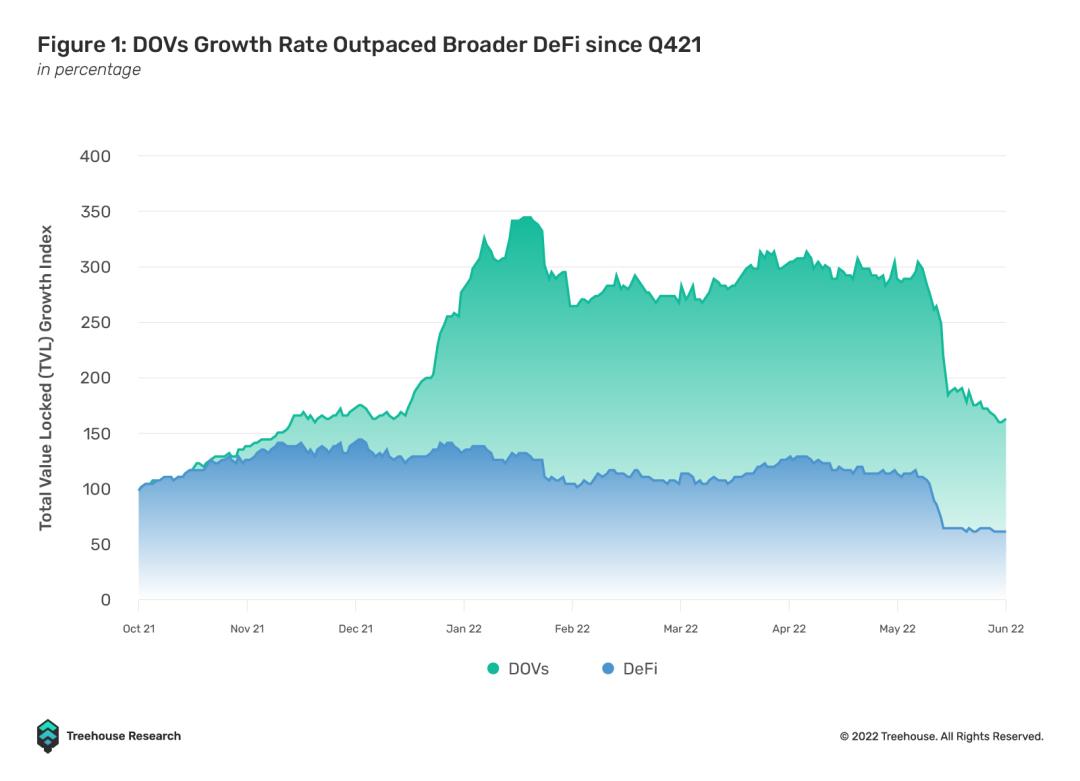
What DeFi options vaults actually do
DeFi options vaults (DOVs) are automated smart contracts that turn idle crypto holdings into yield-generating assets. Unlike simple staking, which typically locks capital for a fixed return or relies on network inflation, options vaults actively sell options contracts against your staked assets. This process captures the premium paid by buyers who are willing to hedge against price movements or speculate on future volatility.
The mechanism is straightforward: you deposit an asset like Ethereum into the vault, and the smart contract automatically writes options—usually covered calls or cash-secured puts—on that capital. When the option expires, you keep the premium regardless of whether the option is exercised or not. If the market moves against your position, the option may be exercised, potentially capping your upside or forcing the sale of your asset at a predetermined price. The vault handles the complex timing, strike selection, and contract management, removing the need for manual trading expertise.
This automation allows retail participants to access institutional-grade derivatives strategies. By pooling capital, these vaults can achieve better pricing and execution than individual traders could alone. The yield generated is not guaranteed; it fluctuates based on market volatility and the specific strategy employed by the vault. In high-volatility environments, premiums are higher, offering greater potential returns but also increasing the risk of adverse price movements.
The core value proposition of a DeFi options vault is simplicity with active management. You delegate the tactical execution of selling options to code, while retaining ownership of the underlying asset until (and unless) the contract is exercised. This distinguishes DOVs from passive yield farming, where returns are often inflationary or dependent on token price appreciation. Instead, DOVs generate income from market volatility itself, making them a distinct class of DeFi product.
Covered calls versus cash-secured puts
DeFi Options Vaults (DOVs) primarily rely on two distinct strategies to generate yield: selling covered calls and selling cash-secured puts. The choice between these strategies determines whether the vault aims to harvest income from existing holdings or accumulate assets at a discount. Understanding the mechanics of each is essential for aligning your vault with your market outlook.
Selling covered calls for income
Selling covered calls is the most common strategy in DeFi Options Vaults, particularly for bullish or neutral market conditions. In this setup, the vault holds the underlying asset—such as ETH or WBTC—and sells call options against it. This generates immediate premium income, which is distributed to vault shareholders.
The strategy works like a rental agreement. You own the property (the crypto asset) and rent it out (sell the call option) for a period of time. If the asset price stays below the strike price, you keep the premium and the asset. However, if the price surges above the strike, your assets are called away at the strike price. This caps your upside potential but provides a steady stream of yield that often outperforms simple holding during sideways markets.
Cash-secured puts for accumulation
Cash-secured puts serve a different purpose: accumulation. Instead of holding the asset, the vault holds stablecoins (like USDC) and sells put options. This strategy is ideal for investors who want to buy an asset at a lower price but are willing to get paid for waiting.
When you sell a cash-secured put, you are obligated to buy the underlying asset at the strike price if it drops below that level by expiration. If the price remains above the strike, you keep the premium. If the price drops, you are forced to buy the asset at the strike price, effectively acquiring it at a discount to the current market rate while still earning the premium. This approach transforms the cost of buying dips into a revenue stream.
| Strategy | Market View | If Price Rises | If Price Falls |
|---|---|---|---|
| Covered Call | Bullish/Neutral | Capped gains; asset sold at strike | Keep premium; retain asset |
| Cash-Secured Put | Bullish/Neutral | Keep premium; no asset acquired | Buy asset at strike price |
Comparing top options vault protocols
DeFi options vaults have matured from experimental DeFi primitives into structured yield products with distinct risk profiles. In 2026, the market is dominated by specialized protocols rather than monolithic platforms. Ribbon Finance remains the largest by total value locked (TVL), while Typus and others have carved out niches in specific asset classes and strategies.
Understanding the differences between these protocols is essential for aligning vault selection with your market outlook. Some vaults specialize in bullish income generation through covered calls, while others focus on downside protection via cash-secured puts. The choice often depends on which underlying assets you hold and your tolerance for opportunity cost during bull markets.
The following comparison highlights the primary distinctions between leading options vault protocols based on their core strategy, supported assets, and chain availability.
| Protocol | Core Strategy | Primary Assets | Supported Chains |
|---|---|---|---|
| Ribbon Finance | Weekly Covered Calls & Puts | BTC, ETH | Arbitrum, Ethereum, BNB |
| Typus | Delta-Neutral & Volatility | BTC, ETH, SOL | Arbitrum, Base |
| Hyperspace | Tail Risk Hedging | ETH, BTC | Ethereum, Arbitrum |
| Volmex Finance | Volatility Harvesting | ETH, BTC | Ethereum |
Ribbon Finance pioneered the automated options vault model, offering high liquidity and a proven track record. Its weekly expiry structure provides consistent yield but exposes holders to significant opportunity cost if the underlying asset rallies sharply. Typus, by contrast, employs more sophisticated delta-neutral strategies designed to mitigate directional risk, making it suitable for volatile markets where capital preservation is prioritized over pure yield.
When evaluating these options, consider the underlying asset's volatility. High-volatility assets like Bitcoin generate higher premiums but carry greater liquidation risk if the strategy is not properly hedged. Lower-volatility assets may offer steadier returns but require larger capital commitments to achieve comparable yield percentages.
For real-time market context, the current Bitcoin price influences premium generation across all these vaults. Higher spot prices generally lead to higher call premiums but may reduce put premiums as the probability of downside protection decreases. Monitoring these dynamics helps determine the optimal entry point for vault allocation.
Risks in automated options strategies
DeFi options vaults (DOVs) are not risk-free yield machines. They are complex smart contracts that expose capital to a unique blend of traditional market risks and onchain-specific vulnerabilities. Understanding these mechanics is essential before deploying capital.
Smart contract exposure
At their core, DOVs are automated DeFi vaults—smart contracts that accept user deposits and execute predefined strategies without manual intervention [src-serp-6]. This automation introduces smart contract risk. If the underlying code contains a bug or is exploited by an attacker, funds can be drained instantly. Unlike centralized exchanges, there is no customer support to reverse transactions. Users must audit the protocol’s security history and understand that they are bearing the full risk of the code’s integrity.
Option exercise and disposal risk
The most distinct risk in DOVs is the mechanics of option exercise. When a vault sells covered calls, it often holds the underlying asset as collateral. If the market price surges past the strike price, the vault may be forced to sell the asset at the strike price, or the user may have their position automatically exercised. This can result in "impermanent loss" relative to simply holding the asset, as you miss out on further upside. In some vault structures, this leads to the disposal of assets at unfavorable prices during high volatility.
Volatility and liquidity risk
Options pricing is highly sensitive to implied volatility. Sudden market shocks can cause the value of the options held by the vault to swing wildly, eroding the principal. Additionally, DOVs often rely on decentralized exchanges (DEXs) for liquidity. During periods of extreme market stress, slippage can be severe, meaning the vault may not be able to exit positions at fair market value. This liquidity risk compounds the volatility risk, potentially leading to significant drawdowns that outpace simple buy-and-hold strategies.
Choosing the right DeFi options vault for your portfolio
Selecting a DeFi options vault requires aligning the vault’s underlying strategy with your market outlook and risk tolerance. While the primary goal of these vaults is to monetize volatility through option premiums, the specific strategy employed—whether selling covered calls or put options—determines how your capital performs under different market conditions. Understanding this alignment prevents unintended exposure and ensures the yield generated matches your financial objectives.
Bullish outlook: Covered call strategies
If you expect the underlying asset to rise moderately or trade sideways, a vault employing a covered call strategy is typically the most suitable choice. In this setup, the vault sells call options against assets you already hold or deposit. This generates premium income that can offset minor price dips while participating in upside gains up to the strike price.
The tradeoff here is capped upside. If the asset price surges past the strike price, your gains are limited to that level, and the assets may be called away. This approach works best when you are confident in a steady, non-volatile upward trajectory rather than an explosive rally.
Bearish or neutral outlook: Put selling
For investors who are bearish or expect significant price drops, vaults that sell put options offer a different risk profile. These vaults collect premiums by agreeing to buy the underlying asset at a specific price if it falls below a certain threshold. This strategy can be profitable if the asset price remains above the strike price, allowing the vault to keep the premium.
However, this approach carries substantial downside risk. If the market crashes, the vault is obligated to purchase the asset at the strike price, which may be significantly higher than the current market value. This can lead to substantial capital losses, making it a high-stakes choice for those who cannot tolerate sharp declines.
Risk tolerance and capital preservation
Your risk tolerance should dictate the percentage of your portfolio allocated to these vaults. Covered call vaults generally offer lower volatility and more predictable returns, making them suitable for conservative investors seeking yield enhancement. In contrast, put-selling vaults introduce tail risk and can experience severe drawdowns during market corrections.
Before depositing funds, review the vault’s historical performance during similar market cycles. Look for transparency in how options are selected and executed. A vault that clearly documents its strike price selection and expiration dates provides better insight into its risk management practices. Always ensure the potential yield justifies the specific market risks you are assuming.
No comments yet. Be the first to share your thoughts!