
Defi options vaults 2026 limits to account for
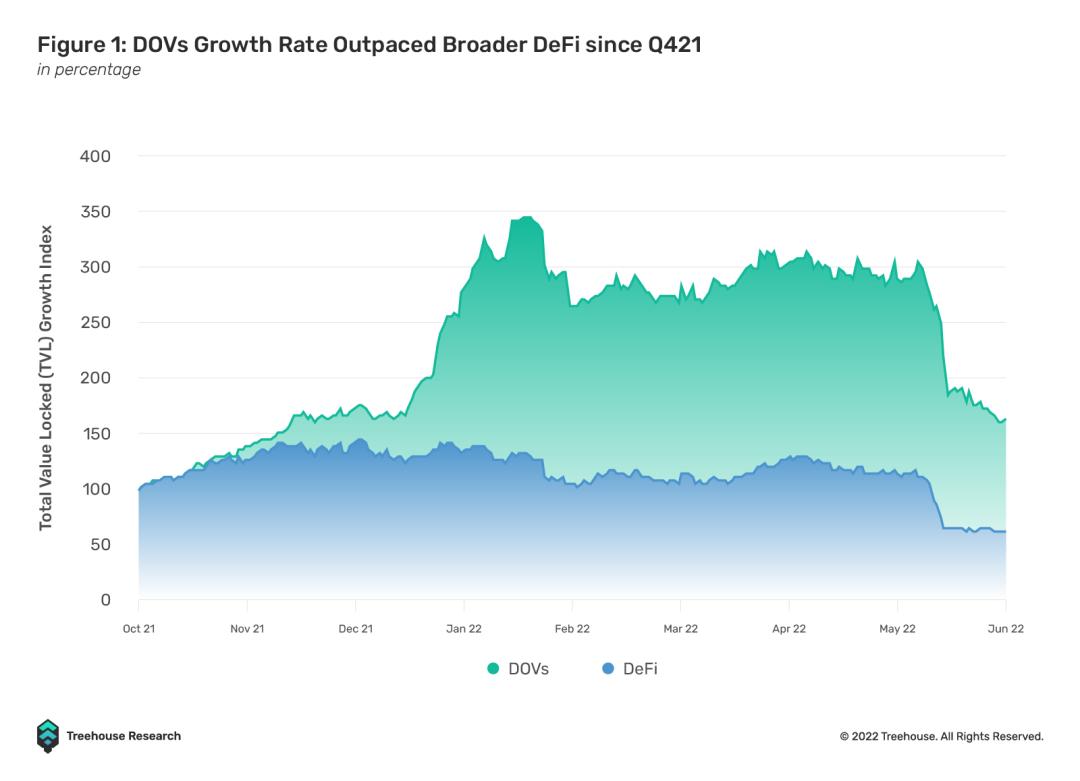
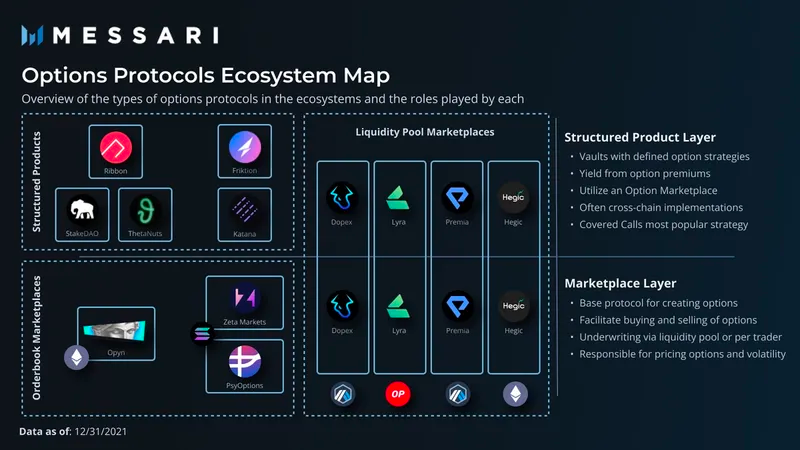
DeFi options vaults (DOVs) automate the sale of vanilla calls and puts to generate yield, now capturing a significant share of the $700 million total value locked in decentralized options. This yield source is distinct from traditional liquidity mining, but it introduces specific structural tradeoffs regarding risk and liquidity that require careful evaluation.
A practical choice should survive normal use, maintenance, timing, and budget. If a recommendation only works in an ideal situation, call that out plainly and give the reader a fallback path.
Defi options vaults 2026 choices that change the plan
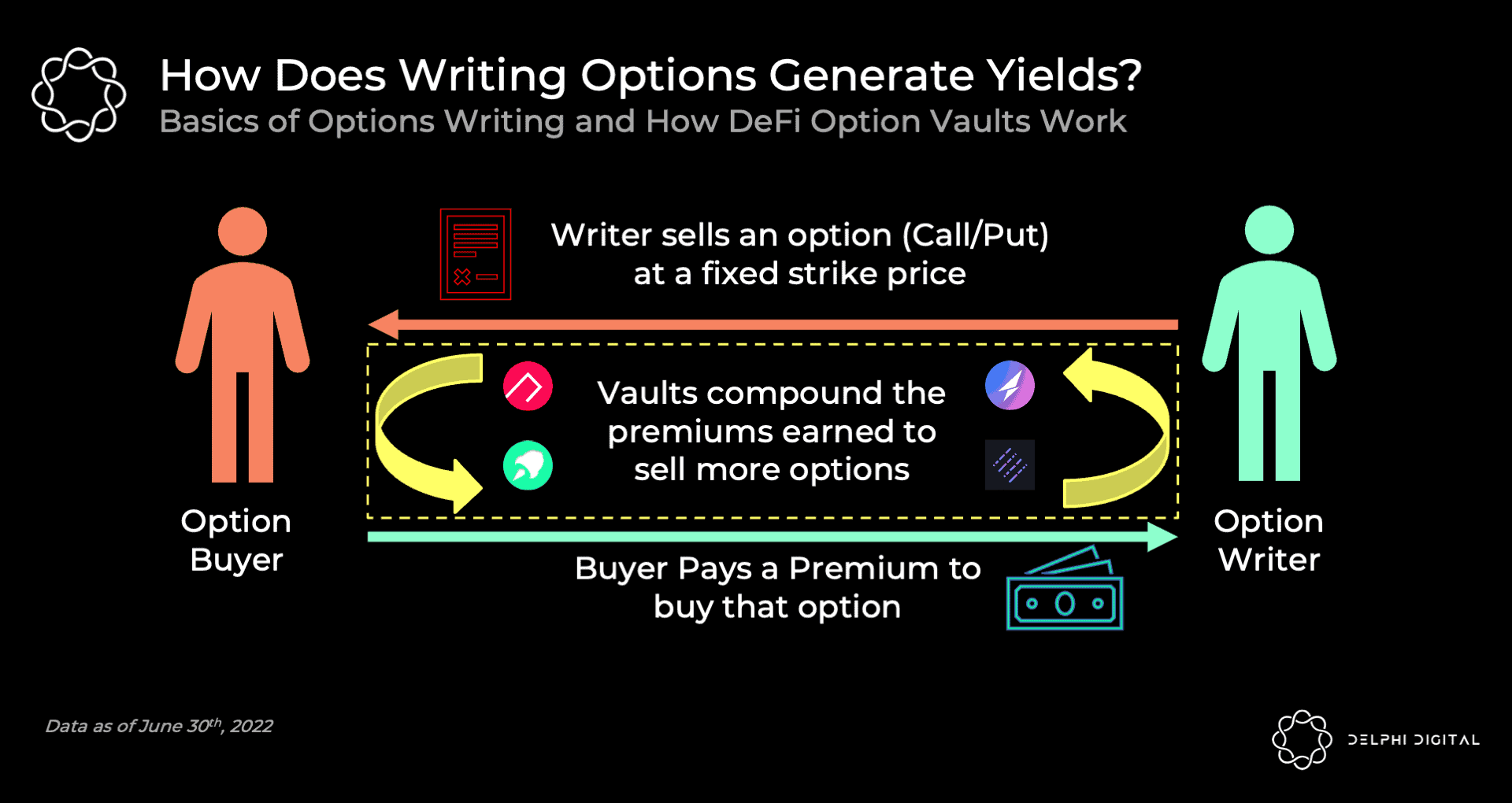
The core tradeoff lies in the source of yield. Unlike liquidity provision, which earns fees from trader volume, options vaults earn premiums from other market participants who are buying insurance or leverage. This creates a different risk profile. When markets move sharply against the vault’s position, the yield can be wiped out, and principal can be at risk if not properly hedged. Conversely, in sideways or mildly trending markets, the premium income can outperform standard yield strategies.
Risk Profile and Market Exposure
Not all options vaults are created equal. Some sell covered calls, which caps upside potential but provides a buffer against downside moves. Others sell cash-secured puts, which generates income but exposes the vault to significant downside if the asset price crashes. The choice between these strategies depends on your view of the underlying asset. If you are bullish but expect stability, covered calls may offer a balanced approach. If you are neutral or slightly bearish, cash-secured puts might be more appropriate. The key is to understand the specific strategy each vault employs and how it reacts to volatility.
Liquidity and Redemption Terms
Liquidity is another critical factor. Some vaults allow instant redemption, while others impose lock-up periods or redemption queues. During periods of high volatility, redemption queues can delay access to your funds, potentially locking you into a losing position. It is important to check the vault’s smart contract terms for any hidden restrictions. Additionally, consider the impact of gas fees and slippage when entering or exiting positions, especially for smaller investment sizes.
Performance and Fee Structures
Performance fees and management fees vary widely across protocols. Some vaults charge a flat fee, while others take a percentage of profits. High performance fees can significantly erode returns, particularly in years with strong market performance. It is crucial to calculate the net return after all fees are applied. Consider the consistency of the strategy. A vault that generates high yields in a bull market may struggle in a bear market. Look for vaults with a track record of consistent performance across different market cycles.
| Feature | Covered Call Vaults | Cash-Secured Put Vaults | Delta-Neutral Vaults |
|---|---|---|---|
| Primary Yield Source | Option premiums from selling calls | Option premiums from selling puts | Market neutrality via hedging |
| Upside Potential | Capped at strike price | Limited to premium received | Uncapped, via hedging mechanisms |
| Downside Risk | Moderate (asset price drops) | High (asset price crashes) | Low (if hedging is effective) |
| Best Market Condition | Bullish or sideways | Bearish or sideways | Range-bound or volatile |
| Complexity | Low | Medium | High |
Choosing the Right Vault for Your Strategy
The decision on which vault to use depends on your investment goals. If you are looking for steady income with moderate risk, a covered call vault might be suitable. If you are willing to take on more risk for higher potential returns, a cash-secured put vault could be appropriate. For those seeking to minimize market exposure, delta-neutral vaults offer a more sophisticated, albeit complex, solution. Always conduct due diligence on the protocol’s security audits, team background, and historical performance before committing funds.
| Strategy | Risk Level | Yield Potential | Best Market View |
|---|---|---|---|
| Covered Calls | Moderate | Medium | Bullish/Sideways |
| Cash-Secured Puts | High | High | Bearish/Sideways |
| Delta-Neutral | Low | Variable | Range-Bound |
Choose the Next Step
DeFi options vaults have shifted from experimental protocols to dominant yield vehicles. With options vaults capturing a significant share of the $700 million DeFi options TVL, the question is no longer whether to use them, but which strategy fits your risk profile. Use this framework to select the right vault.
| Strategy | Risk Level | Best For |
|---|---|---|
| Selling Puts | Medium | Bullish investors willing to buy dips |
| Covered Calls | Low | Stablecoin holders seeking steady yield |
| Iron Condors | Low-Medium | Sideways markets with defined risk |
Spot misleading claims and weak options
DeFi options vaults (DOVs) have grown to dominate the $700 million DeFi option TVL, with notionals trading in billions monthly. However, this surge has invited projects that overpromise on risk-adjusted returns. Many platforms claim "AI-driven" optimization but lack transparent audit trails or clear logic for how algorithms adjust positions. Investors should treat these claims with skepticism unless the underlying smart contracts are fully open-source and verified.
The core DeFi vault strategy aims to balance fee income with price variation. Vaults typically allocate to pools combining stablecoins or liquid staking tokens where prices are tightly correlated. They collect fees, claim protocol incentives, and periodically sell them to compound positions. When an options vault fails to explain how it hedges tail risk or manages slippage during high volatility, it is likely masking impermanent loss as yield.
To avoid weak options, look for concrete checks: Is the strategy logic documented? Can you verify the rebalancing frequency? Does the platform provide real-time exposure data? If a vault cannot clearly articulate its hedging mechanism or if it relies on vague "black box" AI claims, it is a weak option. Prioritize protocols that offer granular visibility into their risk parameters and historical performance under stress scenarios.
Defi options vaults 2026: what to check next
DeFi options vaults (DOVs) have evolved into a dominant segment of the $700 million DeFi options total value locked, with notionals trading in the billions monthly. While the category peaked in 2022, it remains a core mechanism for generating yield through automated options strategies. Below are the most common practical questions readers ask before deploying capital.
Helpful gear
Use these product recommendations as a starting point, then choose the size, material, and price point that fit how you actually use the gear.


As an Amazon Associate, we may earn from qualifying purchases.
No comments yet. Be the first to share your thoughts!