
5 DeFi Options Vaults for Yield in 2026
In 2026, DeFi options vaults have evolved from experimental protocols into mature yield engines. This list highlights five concrete products offering distinct strategies for generating returns through structured derivatives.
1. Ribbon Finance Weekly Covered Calls
Ribbon Finance automates weekly covered call strategies, generating yield from option premiums while holding underlying assets. This approach suits investors seeking consistent income with defined risk parameters. The platform handles the complex execution, allowing users to earn premium returns without actively managing strike prices or expiration dates.

2. Lyra Finance Structured Yield on ETH
Lyra Finance offers structured yield products specifically designed for Ethereum, leveraging its decentralized options infrastructure. Users can access tailored yield strategies that capitalize on market volatility without direct asset disposal. This platform provides a robust framework for generating returns through sophisticated options mechanics built on-chain.

3. Premia Protocol Customizable Risk Profiles
Premia Protocol enables users to construct customizable risk profiles using SUSD and other assets through its advanced options framework. Traders can fine-tune exposure by selecting specific strike prices and expirations, creating bespoke strategies that align with individual market outlooks and risk tolerance levels.

4. Thales Protocol On-Chain Prediction Markets
Thales Protocol utilizes on-chain prediction markets to offer unique yield opportunities through binary options and structured products. Participants can earn returns by accurately forecasting outcomes in various markets, transforming speculative views into structured financial instruments with defined payout structures and transparent settlement mechanisms.

5. Opyn Structured Options Vaults
Opyn provides structured options vaults that automate complex strategies like covered calls and cash-secured puts. These vaults allow users to participate in options markets with reduced complexity, offering a streamlined way to generate yield while maintaining control over asset exposure through transparent, on-chain smart contracts.

How DeFi Options Vaults Work
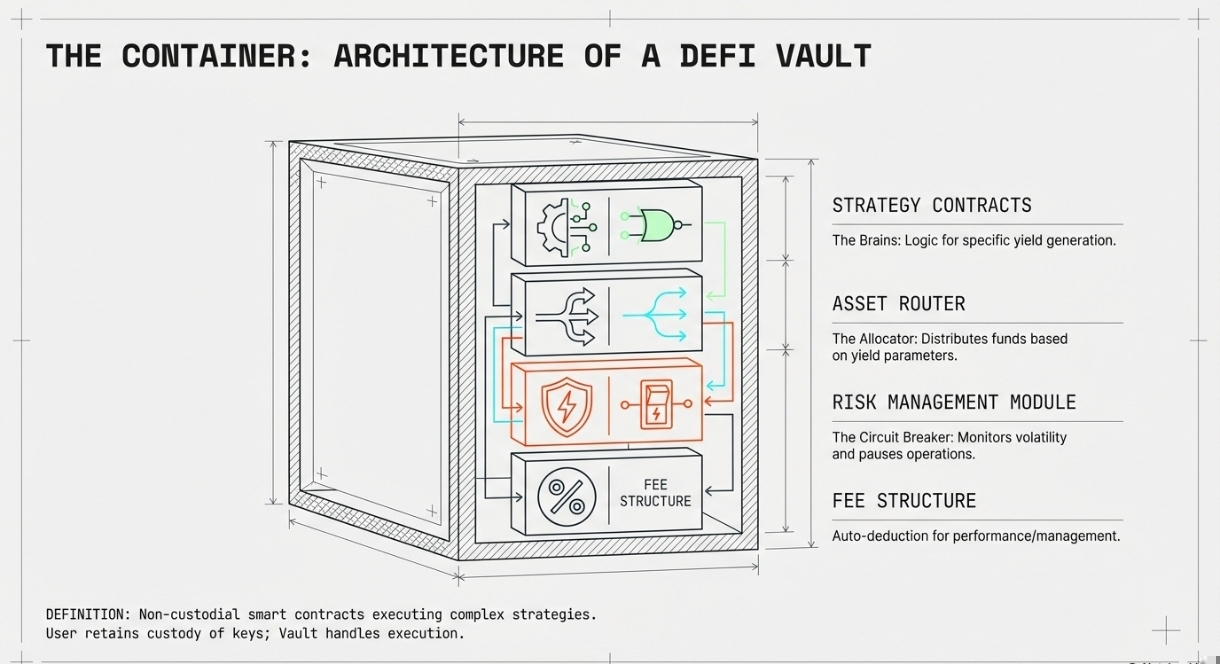
DeFi options vaults (DOVs) are automated structured product protocols. They function as smart contracts that accept user deposits and execute predefined blockchain-based yield strategies without manual intervention. Unlike simple staking, which typically locks assets to secure a network, DOVs deploy capital into options markets to generate income.
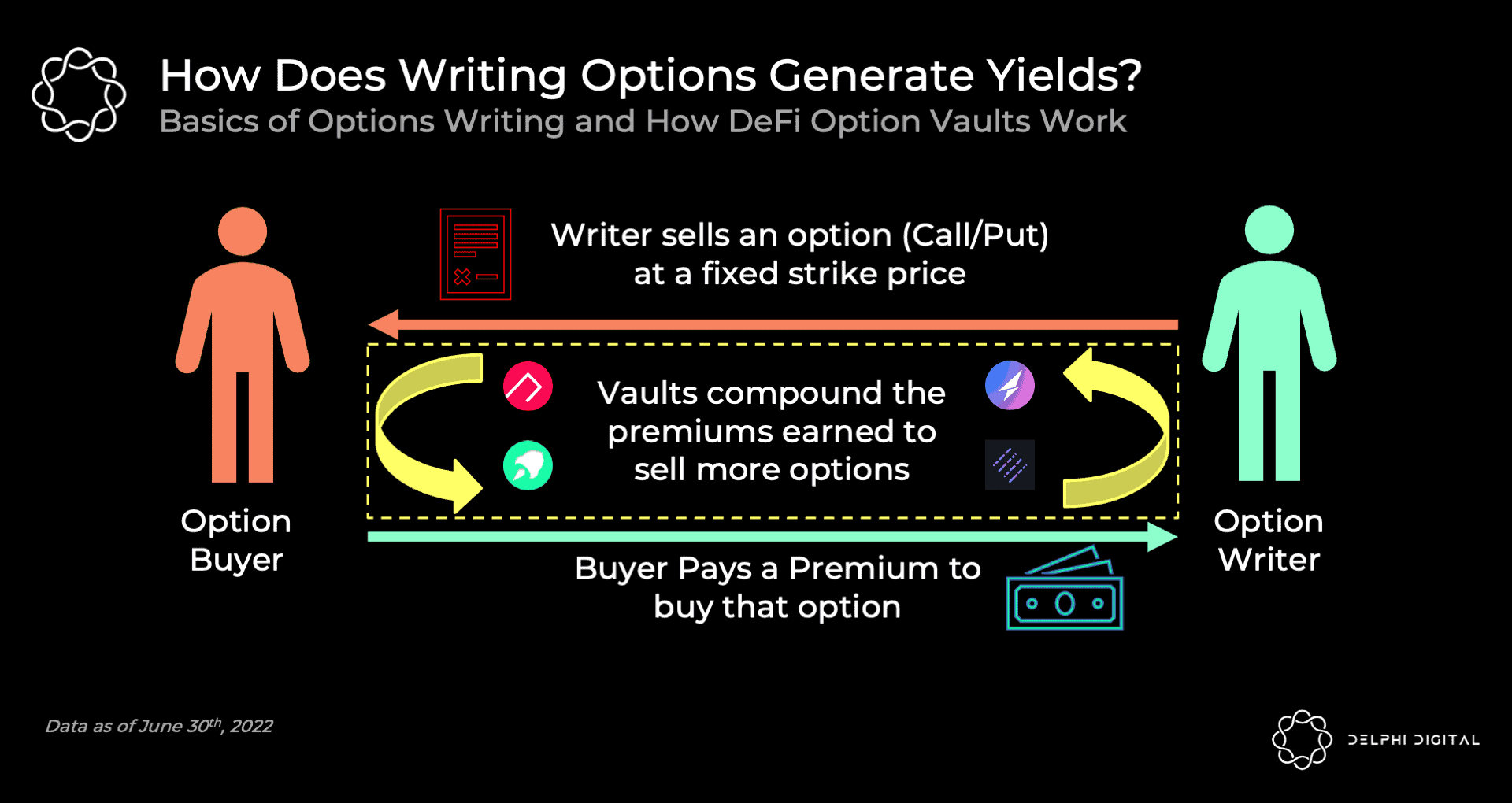
These vaults operate by selling options—such as covered calls or cash-secured puts—against the deposited assets. This process turns market volatility into premium income for depositors. The protocol handles the complex mechanics of strike price selection, expiration management, and rebalancing automatically.
This automation distinguishes DOVs from direct options trading. While individual traders must monitor markets and manage risk, vault users deposit funds and earn yields derived from the options premium. The vault acts as a custodian and trader, simplifying access to sophisticated derivatives strategies for broader audiences.
Comparing vault strategies and risks
Each of the top five DeFi options vaults employs a distinct mechanism to capture yield, but the underlying risk profiles vary significantly. While the Paradigm report notes that an overwhelming majority of these vaults revolve around selling vanilla call and put options for premiums, the specific execution and asset backing create divergent outcomes for capital preservation.
The table below contrasts the core mechanics, primary underlying assets, and relative risk levels for Ribbon, Lyra, Premia, Thales, and the fifth leading vault. Understanding these structural differences is essential for aligning your position with your tolerance for tail risk.
| Vault | Strategy | Primary Asset | Risk Profile |
|---|---|---|---|
| Ribbon | Covered calls on BTC/ETH | BTC, ETH | Moderate |
| Lyra | Volatility arbitrage | ETH options | High |
| Premia | Selling put options | Stablecoins, ETH | Moderate-High |
| Thales | Binary outcome markets | Multi-asset | Variable |
| Furucombo (Yield Aggregator) | Auto-compounding strategies | Multi-protocol | Smart Contract |
How to Pick the Right DeFi Options Vault
Choosing a vault means aligning its strategy with your risk tolerance and asset holdings. DeFi options vaults stake assets to deploy automated options strategies, making the underlying mechanics the primary filter for selection. Review the following steps to evaluate a vault before committing capital.
Match the vault’s strategy to your comfort level with volatility. Conservative vaults typically sell covered calls to generate steady yield, while aggressive vaults may use complex multi-leg structures or sell puts during bear markets. Ensure the vault’s risk profile matches your personal financial goals.
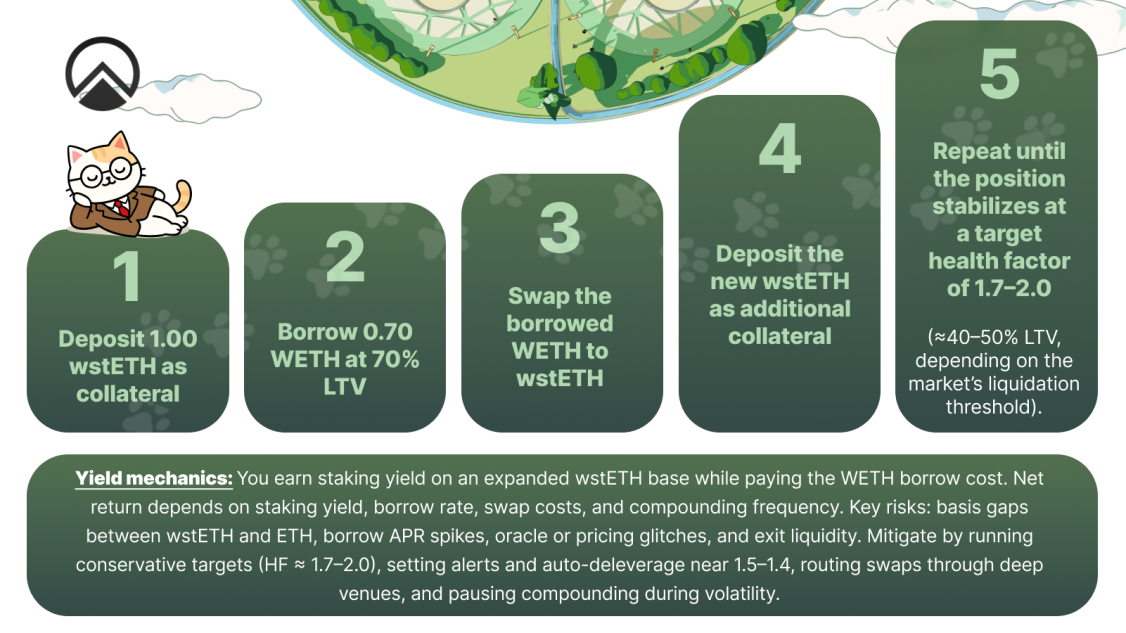
Verify that the vault accepts the specific assets you hold, such as ETH, BTC, or stablecoins. Some vaults require you to convert your holdings into a specific wrapped token or liquidity pool position to participate, which adds an extra layer of transaction cost and slippage risk.

Understand how the vault generates returns. QCP Capital notes that vaults deploy assets into options strategies to capture premium. Look for transparency in whether the vault sells out-of-the-money calls, uses iron condors, or employs other derivatives to hedge market exposure.
Check the audit history and total value locked (TVL) of the protocol. High TVL often indicates community trust, but independent security audits are essential. Ensure the smart contracts governing the vault have been reviewed by reputable firms to minimize the risk of exploits or bugs.
Common questions about DeFi options vaults
Helpful gear
Use these product recommendations as a starting point, then choose the size, material, and price point that fit how you actually use the gear.

As an Amazon Associate, we may earn from qualifying purchases.
No comments yet. Be the first to share your thoughts!