
Defi options vaults 2026 budget
Options vaults automate yield generation by staking assets into structured strategies, such as selling weekly covered calls or cash-secured puts. For a 2026 budget, the primary tradeoff is between the yield premium and the risk of capital depreciation during market downturns. Unlike simple staking, these vaults require active management of strike prices and expiration dates, often handled by AI-driven algorithms that adjust positions based on volatility forecasts.
When allocating funds, consider the asset's liquidity and the protocol's historical drawdowns. Ribbon Finance, for example, offers structured products that sell options against held assets, providing steady income but exposing investors to downside risk if the asset price falls below the put strike. Other platforms may offer higher yields through more aggressive strategies, but these come with increased complexity and potential for smart contract vulnerabilities.
| Protocol | Strategy | Risk Level | Best For |
|---|---|---|---|
| Ribbon Finance | Covered Calls / Cash-Secured Puts | Medium | Income generation in sideways markets |
| Lyra Finance | Volatility Trading | High | Advanced traders seeking delta-neutral yields |
| Hegic | Binary Options | High | Speculative yield on specific price movements |
For conservative budgets, prioritize vaults with transparent audit trails and lower leverage. For higher risk tolerance, explore protocols that allow dynamic strike selection. Always ensure your budget includes a buffer for potential impermanent loss or liquidation events, as options strategies can amplify gains and losses alike.
Shortlist real options
DeFi options vaults have matured from experimental liquidity pools into structured yield products that automate complex derivatives strategies. In 2026, the most robust platforms rely on AI-driven models to optimize strike selection and expiration timing, balancing premium collection against downside risk.
The following table compares the leading options vault protocols based on their core strategy, supported assets, and risk management frameworks. These platforms represent the current market leaders in terms of total value locked (TVL) and user adoption.
| Protocol | Core Strategy | Supported Assets | Risk Framework |
|---|---|---|---|
| Ribbon Finance | Covered calls & cash-secured puts | ETH, BTC, Stablecoins | Volatility-targeted strike selection |
| Premia Protocol | Synthetic options & liquidity provision | ETH, BTC, Stablecoins | Decentralized oracle pricing |
| Lyra Finance | Perpetual options & volatility trading | ETH, BTC | Delta-neutral hedging |
| Thetanuts Finance | AI-optimized options yield | ETH, BTC, Stablecoins | Dynamic delta hedging |
Ribbon Finance
Ribbon Finance remains the most established player in the structured products space. Its vaults automate the sale of weekly covered calls and cash-secured puts, providing a steady stream of premium income. The platform uses volatility metrics to adjust strike prices, aiming to capture upside while limiting downside exposure during market downturns.
Premia Protocol
Premia offers a decentralized infrastructure for synthetic options. Rather than a single vault strategy, it provides the underlying liquidity layer that other protocols can build upon. This allows for more flexible, permissionless options trading but requires users to understand the mechanics of synthetic asset backing.
Lyra Finance
Lyra focuses on perpetual options, which differ from traditional expiration-based options by allowing traders to hold positions indefinitely. Its vaults are designed for users who want to participate in volatility trading without the complexity of managing individual option contracts. The platform emphasizes delta-neutral strategies to minimize directional risk.
Thetanuts Finance
Thetanuts distinguishes itself with AI-driven yield optimization. Its algorithm continuously rebalances options positions to maximize risk-adjusted returns. This dynamic approach allows the vault to adapt quickly to changing market conditions, potentially outperforming static strategies in volatile environments.
How to inspect DeFi options vaults
DeFi options vaults automate yield by selling options against your assets, but the strategy carries unique risks. Before committing capital, you need to inspect the specific mechanics that determine whether the vault will generate steady income or suffer a "punch-out" during market stress.
Most vaults use simple covered calls or cash-secured puts. Ribbon Finance, for example, sells weekly covered calls and cash-secured puts to generate yield. Ensure the strategy matches your risk tolerance; selling puts exposes you to full downside if the asset price crashes, while calls cap your upside.
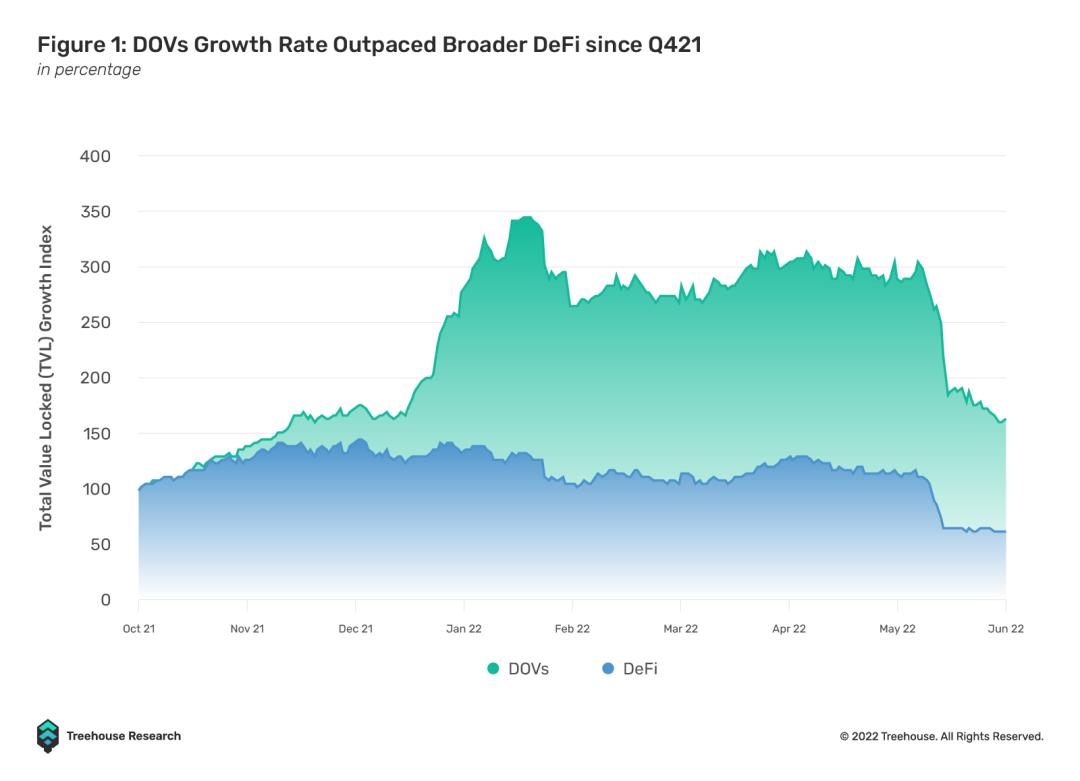
The strike price determines your break-even point. A vault selling deep out-of-the-money options offers lower premiums but higher safety. Check if the vault captures enough premium to offset the cost of the asset. If the premium is too low, the vault might lose money even if the price remains stable.
Options expire weekly or monthly. The vault must rebalance frequently to adjust strike prices and roll positions. If rebalancing is too slow, the vault might hold losing positions too long. Fast rebalancing captures current market conditions but incurs higher gas fees and trading costs, which eat into your net yield.
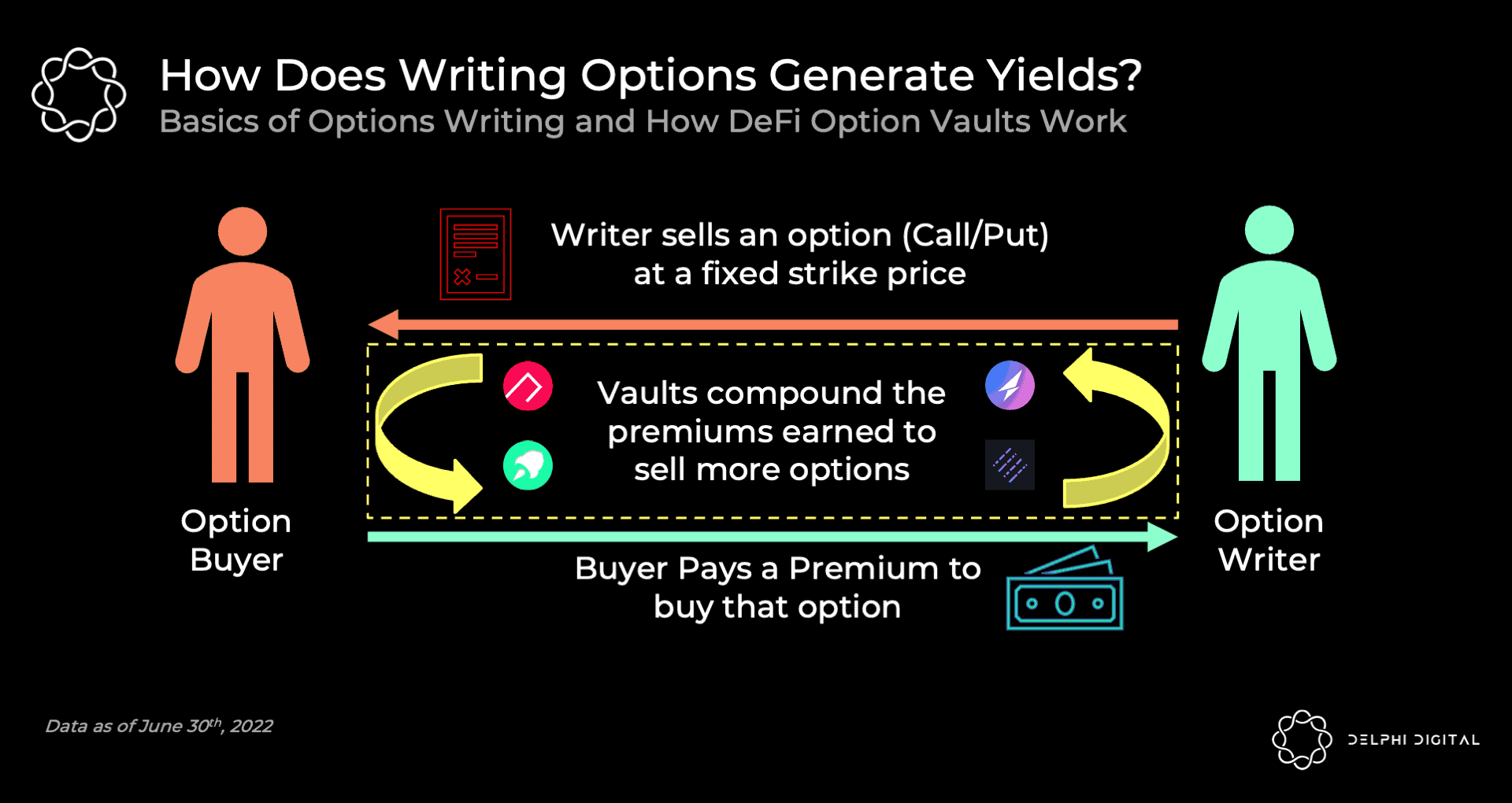
Since these vaults are autonomous, they rely on smart contracts to execute trades. Inspect the contract code and audit history. A single bug in the options execution logic can lead to total loss of funds. Prefer vaults with established reputations and multiple independent audits.
Can you withdraw your funds at any time? Some vaults lock assets for a specific period to align with options expiration. Others offer instant liquidity but may charge high redemption fees. Ensure the exit mechanism allows you to leave the vault when you need to, without significant penalties.
Inspecting these points helps you avoid the expensive failure points that often plague DeFi options vaults. By focusing on the strategy, strike price, rebalancing, contract security, and liquidity, you can better evaluate whether a vault fits your investment profile.
Ownership Costs and Maintenance Surprises
The headline APY on an AI-driven options vault is rarely the only number that matters. Before committing capital, you must account for the friction that erodes returns over time: gas fees, protocol fees, and the hidden cost of active maintenance.
Gas and Transaction Friction
Unlike a simple savings account, DeFi options vaults require frequent transactions. Ribbon Finance, for example, sells weekly covered calls and cash-secured puts, meaning your assets are locked and unlocked on a weekly cycle [[src-serp-1]]. Each cycle triggers a transaction on the blockchain. If you are on a high-fee network like Ethereum Mainnet, these gas costs can eat into small positions significantly. For high-frequency AI strategies, the cumulative cost of rebalancing can turn a profitable strategy into a net loss.
Protocol and Performance Fees
Most structured products protocols charge a management fee plus a performance fee. Some take a cut of the generated yield only when you profit, while others charge a flat annual percentage regardless of outcome. In 2026, AI-driven vaults often command higher performance fees because the algorithm is actively trading. Always check if the fee is taken from the principal or the yield. A 10% performance fee sounds reasonable until you realize it is taken from a 15% return, leaving you with only 5% net.
The "Cheap Buy" Trap
A vault with a 0% management fee might seem attractive, but it often shifts costs elsewhere. Some protocols increase slippage tolerance or use less efficient hedging strategies to keep fees low. Others rely on complex smart contracts that carry higher smart contract risk. When a buy is "cheap," verify what you are paying for in terms of security and execution quality. A slightly higher fee from a reputable protocol like QCP Capital’s DOVs often provides better audit trails and more reliable execution than a zero-fee alternative [[src-serp-2]].
When Maintenance Becomes a Burden
AI-driven yield is not passive. Market volatility can trigger automated rebalancing or stop-losses that require you to deposit more collateral or withdraw funds to avoid liquidation. If you do not monitor your positions, you might miss a margin call or a favorable exit window. The "set and forget" nature of traditional finance does not exist here; you are paying for the AI's labor, but you are still the overseer.



As an Amazon Associate, we may earn from qualifying purchases.
Decision Framework
| Cost Type | Impact on Small Positions | Impact on Large Positions | Mitigation Strategy |
|---|---|---|---|
| Gas Fees | High (can exceed 5% of deposit) | Low (negligible %) | Use L2 networks or sidechains |
| Management Fees | Moderate | Low | Negotiate fee tiers if possible |
| Performance Fees | Low | High | Cap your exposure to high-fee vaults |
| Maintenance Time | High (disproportionate effort) | Low | Use AI-driven auto-rebalancing |
If you are deploying less than $1,000, stick to L2s or low-fee chains to avoid gas erosion. For larger sums, prioritize protocol reputation and fee structure over headline APY.
Defi options vaults 2026: what to check next
Navigating DeFi options vaults requires understanding how they function in a market increasingly dominated by automated yield strategies. These vaults simplify complex derivatives trading, but they introduce specific risks that differ from traditional holding.
What are the trends in DeFi for 2026?
The dominant trend is the shift toward AI-driven yield optimization within structured products. Protocols like Ribbon Finance are deploying automated systems that sell weekly covered calls and cash-secured puts to generate consistent premiums. This moves DeFi away from simple liquidity mining toward sophisticated, algorithmic risk management.
What is the best DeFi platform for options vaults?
There is no single best platform, as performance depends on your risk tolerance. Ribbon Finance is widely recognized for its structured options vaults, while platforms like Gauntlet and Re7 focus on stablecoin yield strategies. The "best" choice depends on whether you prioritize high-yield options exposure or capital preservation in stable assets.
Are DeFi options vaults safe?
Vaults abstract away complexity, allowing users to access strategies without managing MEV or impermanent loss directly. However, they are not risk-free. Since most vaults sell vanilla options, you are exposed to market volatility and smart contract risk. Always review the vault's historical drawdowns and the underlying strategy's logic before depositing.
Is DeFi illegal in the US?
DeFi itself is not illegal in the US, but regulatory scrutiny is increasing. The SEC has targeted specific platforms for offering unregistered securities. While using a DeFi options vault is generally permissible for US users, the legal status of the underlying protocols varies. Always consult current regulatory guidelines and understand the jurisdictional risks of the assets you hold.
No comments yet. Be the first to share your thoughts!