
Defi options vaults 2026
DeFi options vaults have shifted from experimental protocols to a dominant yield layer in 2026. Unlike traditional liquidity mining, which often relies on volatile token emissions, these vaults generate income by selling options against deposited assets. This structural change reduces reliance on inflationary rewards and aligns vault performance more closely with actual market volatility.
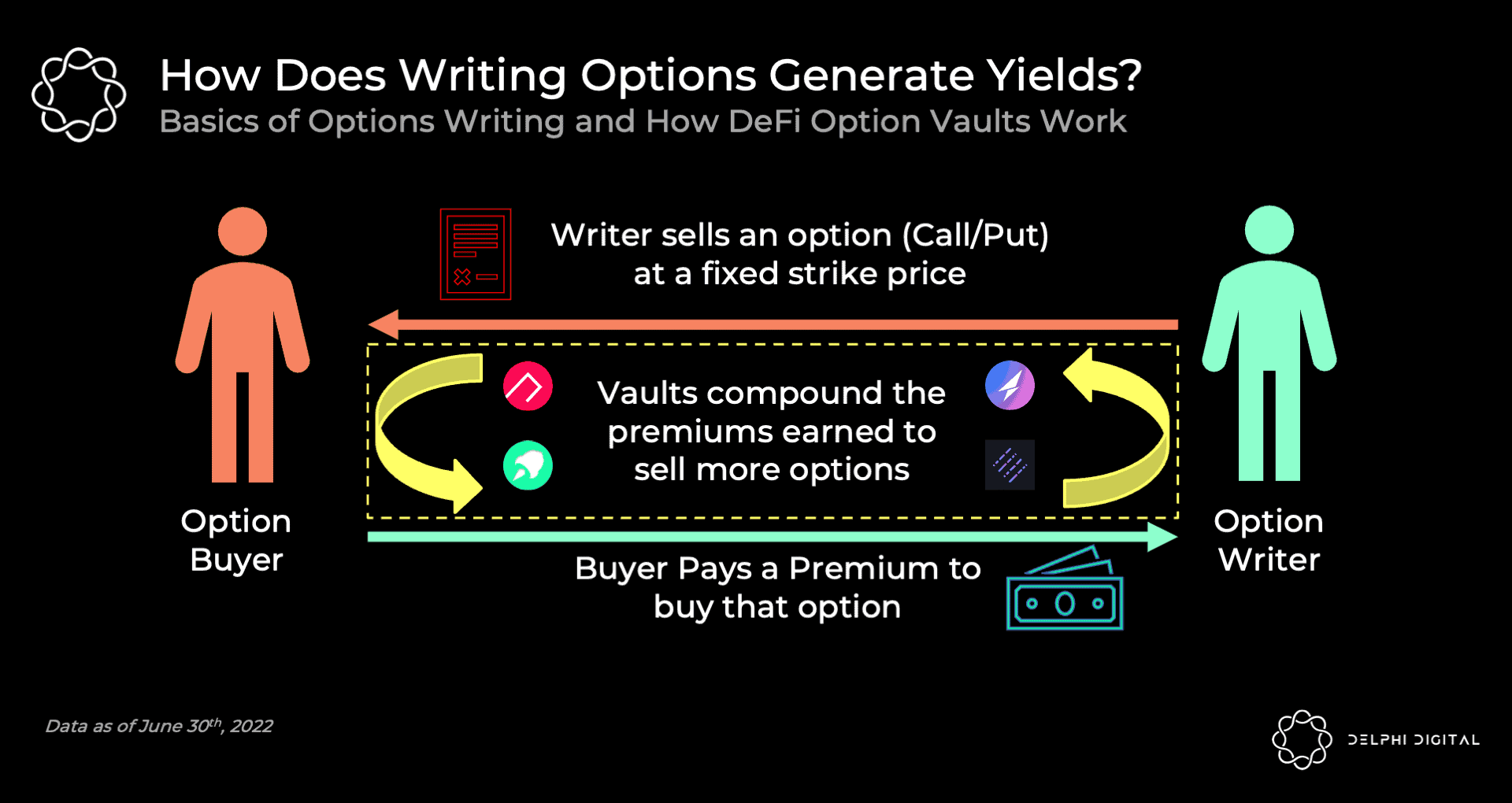
The core mechanism is straightforward: vaults collect deposits and automatically execute predefined strategies, typically selling vanilla call and put options. Professional market makers and AI-driven algorithms manage these positions, capturing premiums while hedging downside risk. This automation removes the need for manual trading, allowing users to earn yield from market movements without active participation.
The 2026 landscape is defined by this shift toward option-selling strategies. An overwhelming majority of leading vaults now revolve around selling calls and puts in exchange for premiums. This approach offers a more sustainable yield source than traditional liquidity mining, which often struggles with long-term token value decay. As a result, investors are increasingly allocating capital to these vaults for consistent, algorithmically managed returns.
Defi options vaults 2026 choices that change the plan
Selecting a DeFi options vault requires weighing yield against structural risk. In 2026, the landscape has shifted from simple liquidity mining to complex, AI-driven strategies that sell options against underlying assets. While these vaults can generate consistent premiums, they introduce specific tradeoffs that differ significantly from traditional liquidity pools or holding strategies.
Volatility Exposure
Options vaults primarily profit from volatility. When you deposit assets into a vault selling covered calls or cash-secured puts, you are essentially selling insurance against price movements. If volatility spikes, the premiums you earn increase, but so does the risk of your collateral being liquidated or assigned at a loss. In a low-volatility environment, yields may stagnate, whereas high volatility can lead to significant drawdowns if the strategy is not dynamically hedged.
Smart Contract Complexity
AI-driven strategies rely on sophisticated smart contracts to manage positions, rebalance, and exit trades. This complexity introduces higher smart contract risk compared to simpler yield farms. A bug in the rebalancing logic or the options execution layer can lead to total loss of funds. Unlike traditional finance, where auditors review static strategies, onchain options vaults execute thousands of micro-transactions daily, expanding the attack surface for exploits.
Liquidity and Exit Friction
Traditional liquidity mining often allows instant withdrawals. Options vaults, however, may lock capital for the duration of an options contract cycle, typically weekly or monthly. Withdrawing early might incur penalties or require selling the position at a loss. Additionally, if the underlying options market dries up during a crash, you may be unable to close your short options position efficiently, forcing the vault to hold the asset through further declines.
Capital Efficiency vs. Safety
AI-driven vaults optimize for capital efficiency by using leverage or sophisticated delta-neutral strategies. This can amplify returns but reduces the margin for error. A simple buy-and-hold strategy is safer but offers lower yields. Options vaults trade this safety for alpha. The tradeoff is clear: you accept the risk of impermanent loss and potential liquidation in exchange for the possibility of outperforming standard staking or lending yields.
| Factor | Risk Level | Impact on Yield |
|---|---|---|
| Market Volatility | High | Increases premiums but raises liquidation risk |
| Smart Contract Risk | Medium | Potential total loss due to code exploits |
| Liquidity Locks | Medium | Limits early exit and may incur penalties |
| Capital Efficiency | High | Amplifies returns and drawdowns |
How to pick an AI-driven options vault that fits your risk tolerance
AI-driven DeFi options vaults automate complex yield strategies, but they are not risk-free. Most vaults generate returns by selling vanilla call and put options, which caps upside during bull markets and exposes you to downside risk during crashes. To choose the right vault, you need to look under the hood at the AI strategy, the underlying assets, and the smart contract security.
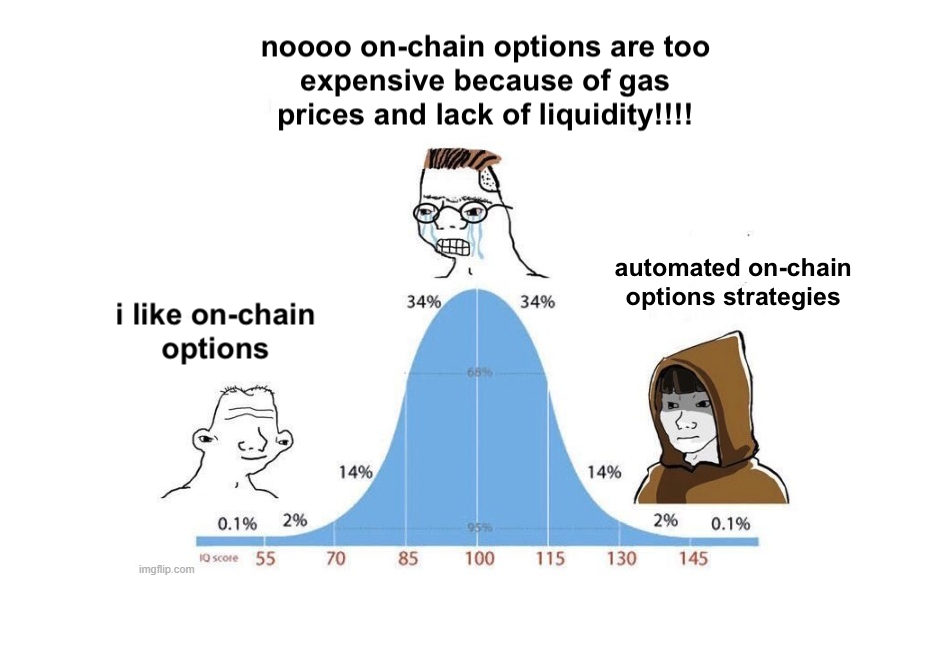
Look for vaults that explicitly disclose their AI model. Does it use a simple moving average crossover, or does it analyze on-chain liquidity depth and volatility surfaces? Avoid "black box" vaults that refuse to explain their entry and exit logic. The best AI vaults adjust strike prices dynamically based on real-time market data, not just historical patterns.
Not all assets are suitable for options strategies. Stablecoin vaults (like USDC or DAI) offer lower risk but capped returns because their price doesn't fluctuate much. Volatile assets (like ETH or SOL) offer higher premiums but greater liquidation risk. Ensure the vault's AI is optimized for the specific volatility profile of the asset you are depositing.
Since these vaults hold your funds and execute trades automatically, security is non-negotiable. Check if the smart contract has been audited by reputable firms like Trail of Bits or OpenZeppelin. Look for a bug bounty program and a clear timelock mechanism that allows community governance to pause the vault in case of a detected exploit.
AI-driven strategies often come with higher management fees than passive liquidity mining. Compare the performance fees against the actual returns generated. A vault charging 20% performance fees must consistently outperform simpler strategies to justify the cost. Look for transparent dashboards that show historical performance across different market conditions, not just during bull runs.
Watchouts: Avoid the Weak Options
Not all AI-driven yield strategies are built to last. Many vaults promise high returns by selling vanilla call and put options, a strategy that looks profitable until volatility spikes. As Paradigm notes, an overwhelming majority of these vaults revolve around selling these basic options in exchange for premiums. While professional market makers can manage this risk, retail-focused vaults often lack the hedging infrastructure to survive a market crash.
When evaluating AI-driven DeFi options vaults, look for these common pitfalls:
- Over-leveraged delta-neutral claims: Many vaults claim to be "delta-neutral" but rely on unstable stablecoin pegs or over-collateralized assets. A slight deviation in correlation can wipe out principal.
- Opaque AI models: If the algorithm’s decision-making process isn’t auditable, you’re gambling on black-box logic. Reputable projects publish their risk parameters and backtesting data.
- Low liquidity in underlying assets: Selling options on thinly traded pairs can lead to slippage that erodes premiums. Always check the depth of the order book for the underlying asset.
- High withdrawal fees: Some vaults lock capital for extended periods to maintain strategy integrity. If the fee structure isn’t transparent, you may be unable to exit during a downturn.
Before depositing, verify that the vault’s smart contract has been audited by a reputable firm. Check the on-chain performance of similar strategies over the last bear market, not just the current bull run. The goal is to preserve capital while earning yield, not to chase unsustainable returns.
Defi options vaults 2026: what to check next
DeFi options vaults have matured from experimental yield farms into structured products that compete with traditional finance. Understanding how they work and where the risks lie is essential before deploying capital.
How do AI-driven options vaults differ from manual trading?
AI-driven vaults automate the entire lifecycle: entry, adjustment, and exit. Instead of relying on individual traders, smart contracts execute predefined strategies like selling weekly covered calls or cash-secured puts. This removes emotional bias and allows for 24/7 management of complex positions that would be impossible for a single person to monitor.
What are the main risks of locking funds in options vaults?
The primary risk is impermanent loss combined with option delta exposure. While premiums provide income, a sharp market move can result in holding an asset at a loss significantly lower than the market price. Additionally, smart contract risk remains; if the underlying protocol is exploited, funds can be lost regardless of the strategy’s performance.
Are DeFi options vaults suitable for stablecoin investors?
Yes, but with caveats. Many 2026 vaults focus on stablecoin pairs, selling options against USDC or DAI. While this generates yield in a stable asset, it still carries protocol risk and potential slippage during extreme volatility. Institutional-grade vaults often include insurance layers or over-collateralization to mitigate these specific downsides.
How do I verify the transparency of an options vault?
Look for on-chain verifiability. Reputable vaults publish their strategy parameters and historical performance directly on the blockchain. Check if the vault uses established audited contracts and if the AI model’s logic is open-source. Avoid vaults that rely on off-chain data feeds without clear oracle mechanisms.
Helpful gear
Use these product recommendations as a starting point, then choose the size, material, and price point that fit how you actually use the gear.

As an Amazon Associate, we may earn from qualifying purchases.
No comments yet. Be the first to share your thoughts!