
The shift from farming to options
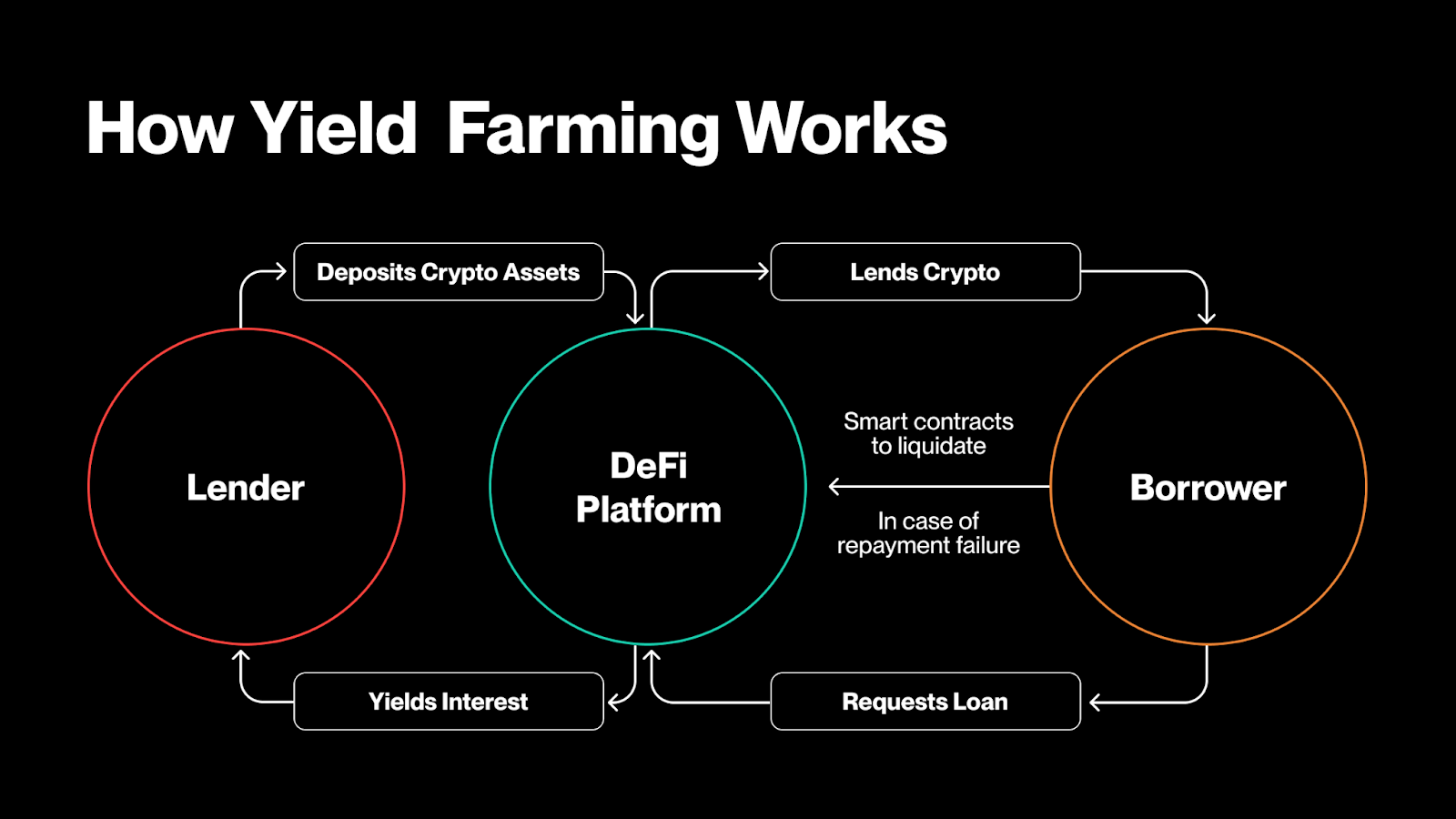
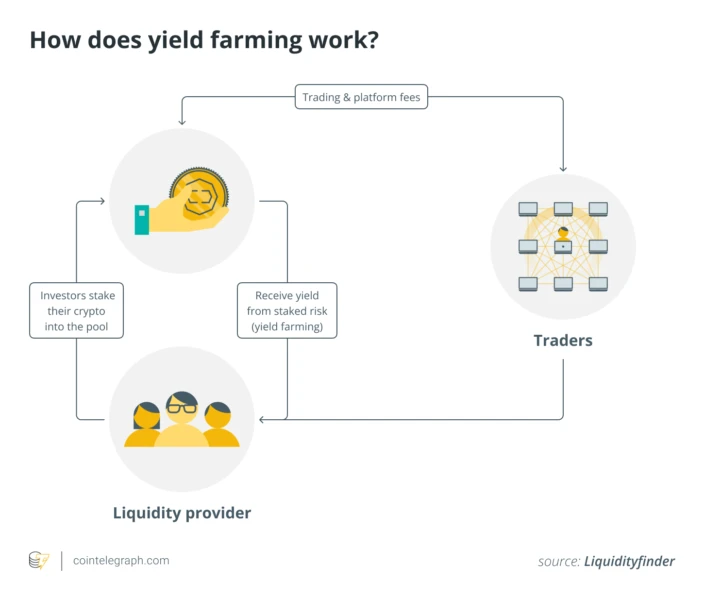
Manual yield farming has long been the default strategy for DeFi participants, but the economics of liquidity provision are deteriorating. Strategies that once offered double-digit APYs now struggle to cover impermanent loss, especially in volatile markets. As capital efficiency becomes the primary metric for success, the manual management of positions has become a liability rather than an advantage.
AI-driven DeFi options vaults represent a structural shift away from passive liquidity provision toward active, algorithmic risk management. By automating covered call and put strategies, these vaults define risk parameters upfront, eliminating the open-ended exposure that plagues traditional farming. This approach transforms yield generation from a speculative bet on price direction into a disciplined, repeatable process.
The rise of DeFAI (Decentralized Finance AI) accelerates this transition. AI agents can now analyze market data, execute trades, and rebalance portfolios across multiple protocols in seconds, a task that is impossible for human operators to sustain manually. This automation reduces gas costs and slippage while ensuring that strategies adapt to real-time market conditions. The result is a more robust yield infrastructure that prioritizes capital preservation alongside returns.
How AI models manage options risk
AI-driven DeFi options vaults rely on algorithms that process vast datasets to determine optimal strike prices and expiration dates for covered calls and puts. Unlike static strategies, these systems analyze both on-chain and off-chain information in real time, adjusting to market volatility as it shifts.
The core mechanism involves evaluating price movements, trading data, and technical indicators simultaneously. By processing this information, AI identifies patterns that human traders might miss, selecting strikes that balance yield generation against downside protection. This dynamic selection is central to how AI-driven DeFi options maintain performance during turbulent market conditions.
According to EX DeFi, their technology uses AI-based systems to analyze market-related information, including price movements, trading data, and technical indicators. The system supports automated trading processes based on predefined strategies, but the AI continuously refines these parameters based on current market sentiment. This allows the vault to adapt its risk profile without manual intervention.
AI algorithms also monitor liquidity depth and order book imbalances to avoid executing options at unfavorable prices. By factoring in these micro-structural elements, the models reduce slippage and ensure that the selected options align with the vault’s risk tolerance. This rigorous data analysis is what separates AI-driven DeFi options from traditional, rule-based automated strategies.
Performance comparison: vaults vs farming
Evaluating the risk-adjusted returns of AI-driven DeFi options requires stripping away the noise of headline yields to examine the underlying mechanics of capital preservation. Liquidity mining and traditional yield farming often present a distorted view of profitability by ignoring the erosion of principal through impermanent loss and volatile token emissions. In contrast, AI-driven DeFi options vaults are engineered to generate yield through premium collection and delta-neutral hedging, prioritizing capital stability over speculative growth.
The structural differences between these two approaches are stark when measured against key performance indicators. Liquidity provision exposes users to asymmetric risk where market movements can rapidly devalue the underlying assets. Options vaults, utilizing algorithmic strategies to manage Greeks, isolate yield generation from directional market exposure. This distinction is critical for investors seeking consistent returns without the catastrophic drawdown risks associated with concentrated liquidity positions.
The following table contrasts the operational mechanics and risk profiles of traditional yield farming against AI-managed options vaults.
| Metric | Yield Farming | AI Options Vaults |
|---|---|---|
| Impermanent Loss Risk | High | |
| Impermanent Loss Risk | Low (Hedged) | |
| Yield Consistency | Volatile | |
| Yield Consistency | Stable | |
| Capital Efficiency | Low (Locked LP) | |
| Capital Efficiency | High (Active) | |
| Gas Costs | High (Frequent Rebalancing) | |
| Gas Costs | Moderate |
While yield farming may offer higher nominal APY during bull markets, the net return after accounting for impermanent loss often falls below risk-free rates. AI-driven DeFi options vaults provide a more reliable income stream by decoupling yield from asset price appreciation. This approach aligns with the needs of high-stakes financial decision-making, where preserving principal is as important as generating alpha.
Top protocols for automated options
The landscape of AI-driven DeFi options is defined by protocols that integrate machine learning to manage volatility and maximize yield. These platforms move beyond static smart contracts, using AI to analyze price movements, trading data, and technical indicators in real time. This approach allows for automated trading processes based on predefined strategies, reducing the manual overhead typically associated with options writing.
EX DeFi
EX DeFi introduces AI-powered trading technology designed to analyze market-related information, including price movements, trading data, and technical indicators. The system supports automated trading processes based on predefined strategies selected by users, aiming to optimize risk-adjusted returns. By leveraging AI to interpret complex market signals, EX DeFi attempts to mitigate the volatility inherent in decentralized finance markets.
Dopex
Dopex utilizes AI-driven strategies to manage its sDAI vaults and options vaults. The protocol employs machine learning algorithms to adjust exposure and hedge risk dynamically. This AI integration allows Dopex to navigate market conditions more effectively than static yield strategies, providing a more resilient approach to generating yield from options premiums.
Lyra
Lyra Finance is a prominent player in the AI-driven DeFi options space, offering decentralized options on Ethereum and Arbitrum. The protocol uses AI to optimize liquidity provision and pricing models. By automating the hedging process, Lyra reduces the capital inefficiency often seen in traditional options markets, making it more accessible for traders seeking leveraged exposure.
Risks and regulatory considerations
AI-driven DeFi options strategies promise high yields, but they carry distinct risks that differ from traditional finance. Smart contract vulnerabilities remain the primary technical threat. Unlike centralized exchanges, decentralized protocols lack insurance funds or bailouts, meaning a single exploit can drain liquidity permanently. Users must audit protocol code and understand strike price mechanics before depositing capital.
Regulatory uncertainty adds another layer of complexity. As AI-driven DeFi options evolve, jurisdictions are struggling to classify these automated, algorithmic products. The lack of clear frameworks means participants face potential legal ambiguities regarding liability and compliance. Investors should monitor official regulatory announcements closely, as sudden policy shifts can impact protocol accessibility and token liquidity.
No comments yet. Be the first to share your thoughts!