
Narrow down the problem
Before selecting an AI-driven DeFi options vault, you must identify which specific risk profile matches your goals. The market has fragmented into distinct strategies, each with different exposure to market volatility and capital efficiency.
The Theta Decay Play
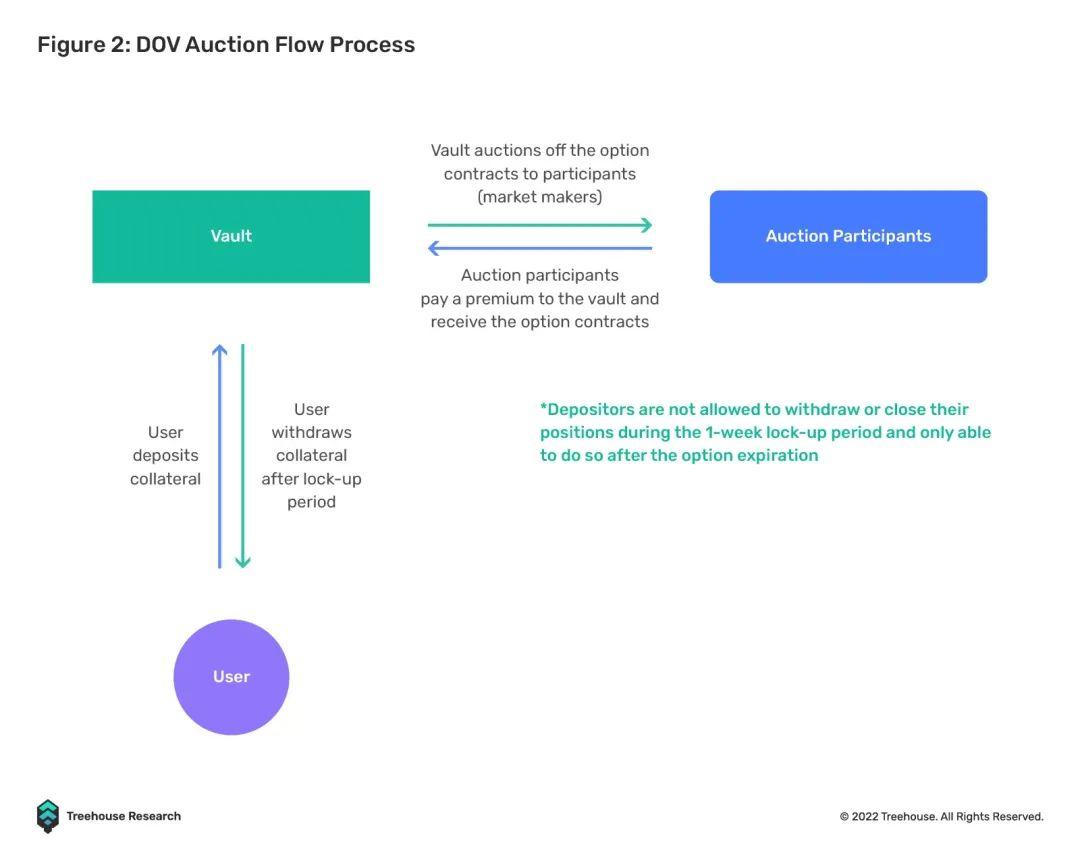
Most vaults focus on selling vanilla call and put options to collect premiums. This strategy generates steady income in sideways or slowly trending markets but carries the risk of significant drawdowns during sharp price moves. It suits investors who prioritize consistent yield over capital appreciation.
The Delta-Neutral Hedge
These vaults balance option sales with underlying asset positions to remain market-neutral. They aim to profit from volatility spreads rather than price direction. This approach is safer for conservative portfolios but offers lower maximum returns during bull runs.
The Cross-Chain Arbitrage
Newer AI models exploit price discrepancies across multiple blockchains. By automating trades between exchanges, these vaults capture small, frequent profits. This strategy requires high technical infrastructure and faces higher smart contract risks across diverse networks.
Check your tolerance for volatility. If you cannot handle a 20% drawdown during a market crash, avoid pure theta decay vaults. If you seek stability, look for delta-neutral strategies with transparent hedging mechanisms.
Diagnose Your AI-Driven DeFi Options Vault
AI-driven yield strategies promise consistent returns by automating options selling, but they carry hidden risks that manual checks often miss. Before committing capital to an options vault, you need a diagnostic sequence that separates robust logic from over-leveraged automation.
1. Verify the Underlying Options Strategy
Most DeFi options vaults revolve around selling vanilla call and put options to collect premiums. While this generates steady income in flat markets, it exposes you to significant downside if the asset price moves sharply. Check if the vault’s AI model adjusts strike prices dynamically or if it sticks to a static grid that ignores volatility spikes.
2. Audit Liquidity and Slippage Tolerance
AI models execute trades at high frequency. If the underlying pool lacks depth, your exit orders may suffer from severe slippage, eating into your yield. Look for vaults that specify minimum liquidity thresholds and check if the AI includes circuit breakers to pause trading during low-liquidity events or extreme market stress.
3. Check for Smart Contract Risk
n Automated strategies often rely on complex smart contracts to manage positions. Review the audit history of the vault’s contract. Ensure that the AI logic is immutable or governed by a multi-sig wallet with a transparent update process. Unaudited or frequently updated contracts can introduce vulnerabilities that AI cannot mitigate.
4. Evaluate Historical Drawdowns
Past performance is not indicative of future results, but it reveals how the AI handles black swan events. Look for a track record that includes periods of high volatility. If the vault only shows smooth returns, it may be hiding tail-risk exposure. Check if the AI has a stop-loss mechanism or if it holds through losses hoping for a reversal.
5. Assess Gas and Execution Costs
High-frequency trading generates significant gas fees, especially on congested networks. Ensure the AI strategy accounts for these costs in its yield projections. If the net yield is barely above the gas costs, the strategy is inefficient. Look for vaults optimized for L2s or chains with low transaction fees.
-
Verify options strategy (calls/puts) and strike adjustments
-
Check liquidity depth and slippage limits
-
Review smart contract audits and governance
-
Analyze historical drawdowns in volatile markets
-
Confirm gas costs are factored into net yield
What usually fixes it
When AI-driven DeFi options vaults encounter slippage, volatility spikes, or strategy drift, the fix rarely involves a single parameter tweak. Instead, resolution requires adjusting the underlying risk model or rebalancing the option Greeks. Below are the most common interventions and when to apply them.
Rebalance delta exposure
If the vault’s delta drifts too far from neutral, the AI model may be over-exposed to directional price moves. Fix this by manually or automatically shifting the underlying asset hedge. This is most effective when market volatility is low but price trends are strong, preventing the vault from accumulating unwanted directional risk.
Adjust option strikes and expiries
When premiums drop below acceptable thresholds, the vault is likely selling options that are too far out-of-the-money or have too long an expiry. Shorten the time to expiry or move strikes closer to the current price. This increases premium yield but raises the probability of assignment, so monitor liquidity closely.
Switch underlying asset pools
If the current asset pair shows high correlation breakdown or low liquidity, the strategy’s core assumption fails. Move capital to a more stable pair, such as a stablecoin-stablecoin pool or a tightly correlated liquid staking token pair. This reduces price variation risk and ensures the vault can collect fees without suffering from unexpected basis risk.
Pause and audit smart contract logic
In cases of unexpected protocol behavior or oracle failure, the only fix is to pause the vault. This prevents further losses while developers audit the AI model’s interaction with the smart contract. Always verify that the pause mechanism is time-locked and requires multi-sig approval to prevent malicious exploitation.
Defi options vaults 2026: what to check next
Before committing capital to AI-driven options strategies, it helps to separate the marketing hype from the mechanical reality of how these vaults operate in 2026. The following answers address the most common practical objections and search intents surrounding this space.
These answers highlight that while AI enhances execution, the fundamental mechanics remain rooted in risk management and liquidity provision. Understanding these basics is essential before navigating the more complex multi-protocol solutions emerging this year.
No comments yet. Be the first to share your thoughts!