
What are DeFi options vaults
DeFi options vaults are automated smart contract vehicles designed to generate yield by selling options against crypto collateral. Unlike simple staking, which typically locks assets to secure a network or earn a fixed interest rate, these vaults actively trade volatility. By staking assets like Ethereum or Bitcoin into a vault, users allow the underlying smart contracts to sell call or put options on their holdings. The premiums paid by option buyers are then distributed back to the vault participants, converting market volatility into a steady stream of yield premiums.
This approach effectively monetizes the high volatility inherent in crypto markets. When markets are turbulent, option premiums rise, offering higher potential returns for vault participants. Conversely, in calm markets, yields may decrease, but the strategy remains distinct from traditional lending because it relies on derivative mechanics rather than simple interest accrual. The smart contract handles the complex execution of these trades automatically, removing the need for manual trading or active management.
DeFi options vaults automate the sale of options contracts against crypto assets like ETH or BTC, converting volatility into yield premiums.
The primary appeal of DeFi options vaults is accessibility. Retail investors who might not have the expertise or time to manage a professional options trading book can still participate in the derivatives market. By pooling assets, these vaults achieve the economies of scale typically reserved for institutional traders, allowing individual holders to earn a share of the premiums generated from structured yield strategies.
How automated options strategies work
DeFi options vaults operate as automated yield engines. Instead of manually placing trades on an exchange, you deposit collateral—typically stablecoins or major cryptocurrencies like ETH or BTC—into a smart contract. The vault then deploys those assets into structured options strategies, such as covered calls or cash-secured puts, based on pre-defined parameters set by the protocol.
The process begins with deposit. When you stake assets into a vault, the smart contract locks them as collateral. This collateral serves as the backing for the options contracts the vault will sell. For example, in a covered call strategy, the vault holds the underlying asset (like BTC) and sells call options against it. In a put-selling strategy, the vault holds stablecoins and sells put options on an asset like ETH.
Once the collateral is in place, the smart contract executes the strategy automatically. It monitors market conditions and sells options contracts at specific strike prices and expiration dates. When you sell an option, you receive a premium immediately. This premium is the primary source of yield for the vault. The smart contract handles the complex logistics of margin requirements and contract management, which would be difficult and capital-intensive to do manually.
This automation creates a "set and forget" experience. You deposit your assets, and the vault continuously collects premiums by rolling options contracts as they expire. The yield accumulates in the vault, and you can typically withdraw your principal plus the earned premiums at any time, depending on the vault's specific terms. This structure allows investors to earn yield from market volatility without needing to actively trade or monitor the markets daily.


As an Amazon Associate, we may earn from qualifying purchases.
Top DeFi options vault protocols ranked
The DeFi options vault landscape has matured from experimental concepts into a tiered ecosystem where strategy focus and capital efficiency matter most. Ribbon Finance remains the category leader, having pioneered the structure that allows users to earn yield from options premiums without managing individual contracts. Its dominance is built on a simple value proposition: automated covered calls and cash-secured puts that generate consistent returns in sideways or bull markets.
Harmonix Finance represents the sophisticated evolution of this model. Instead of relying solely on directional bias, Harmonix runs hedge-fund-style strategies, including delta-neutral and wheel strategies, primarily on Arbitrum. This approach aims to reduce exposure to crypto volatility while capturing premium decay, appealing to users who want income stability over speculative upside. Theia is another notable entrant, leveraging Solana’s speed to offer lower-cost options strategies, though it currently holds a smaller share of total value locked compared to Ethereum-based incumbents.
When evaluating these vaults, the primary metrics are Total Value Locked (TVL), which indicates market confidence, and the specific options strategy employed. Ribbon’s broad chain support (Ethereum, Arbitrum, BSC) and Harmonix’s specialized delta-neutral focus on Arbitrum create distinct user bases. Ribbon attracts volume-seeking retail users, while Harmonix targets those prioritizing risk-adjusted returns.
To help you compare these leading platforms, the table below summarizes key metrics including primary strategy focus and supported chains. This comparison highlights how each protocol positions itself within the structured yield market.
| Protocol | Primary Strategy | Supported Chains | TVL Rank |
|---|---|---|---|
| Ribbon Finance | Covered Calls, Cash-Secured Puts | Ethereum, Arbitrum, BSC | 1 |
| Harmonix Finance | Delta-Neutral, Wheel Strategy | Arbitrum | 3 |
| Theia | Options Premium Harvesting | Solana | 5 |
Choosing the right vault depends on your risk tolerance and market outlook. If you believe Bitcoin or Ethereum will remain stable or rise, Ribbon’s covered call strategies offer straightforward income. If you prefer to minimize directional risk, Harmonix’s delta-neutral approach on Arbitrum provides a more hedged exposure. Always review the specific contract terms and historical performance before depositing funds.


As an Amazon Associate, we may earn from qualifying purchases.
Risk-adjusted returns and collateral types
DeFi options vaults monetize market volatility by selling option premiums, but this strategy introduces specific risks that differ from traditional staking. When markets move sharply against the sold options, the vault’s principal can be eroded. Understanding how these vaults handle downside protection and what backs the yield is essential for investors seeking structured returns in 2026.
Collateral stability through RWAs
Many modern DeFi options vaults have shifted toward Real-World Asset (RWA) collateral to stabilize yields. By holding assets like tokenized treasury bills or stablecoins backed by real-world reserves, these vaults reduce exposure to the extreme volatility of native crypto assets. This collateral layer acts as a buffer, ensuring that even if option strategies underperform, the underlying value remains relatively secure. This approach bridges the gap between high-risk derivatives and conservative yield farming.
Volatility as a double-edged sword
High volatility increases option premiums, offering higher potential yields for DeFi options vaults. However, it also increases the likelihood of the options expiring in-the-money, which can lead to significant losses for the vault holders. Conversely, low volatility periods result in lower premiums but offer greater capital preservation. Successful vaults employ dynamic hedging strategies to adjust their exposure based on market conditions, balancing the trade-off between yield generation and risk management.
Product recommendations
When selecting a DeFi options vault, consider products that offer transparent risk parameters and robust collateralization. Below are some concrete options that have gained traction for their structured approach to yield.


As an Amazon Associate, we may earn from qualifying purchases.
Getting started with DeFi options vaults
Interacting with DeFi options vaults requires a few specific steps to ensure your capital is deployed correctly and safely. Unlike simple staking, these vaults involve complex derivatives, so understanding the interface and the specific terms of each vault is essential before committing funds.

Begin by connecting a compatible Web3 wallet, such as MetaMask or Rabby, to the vault’s interface. Ensure you are on the correct network (e.g., Ethereum, Arbitrum, or Optimism) where the vault is deployed. Always verify the contract address from the official project documentation to avoid phishing sites.
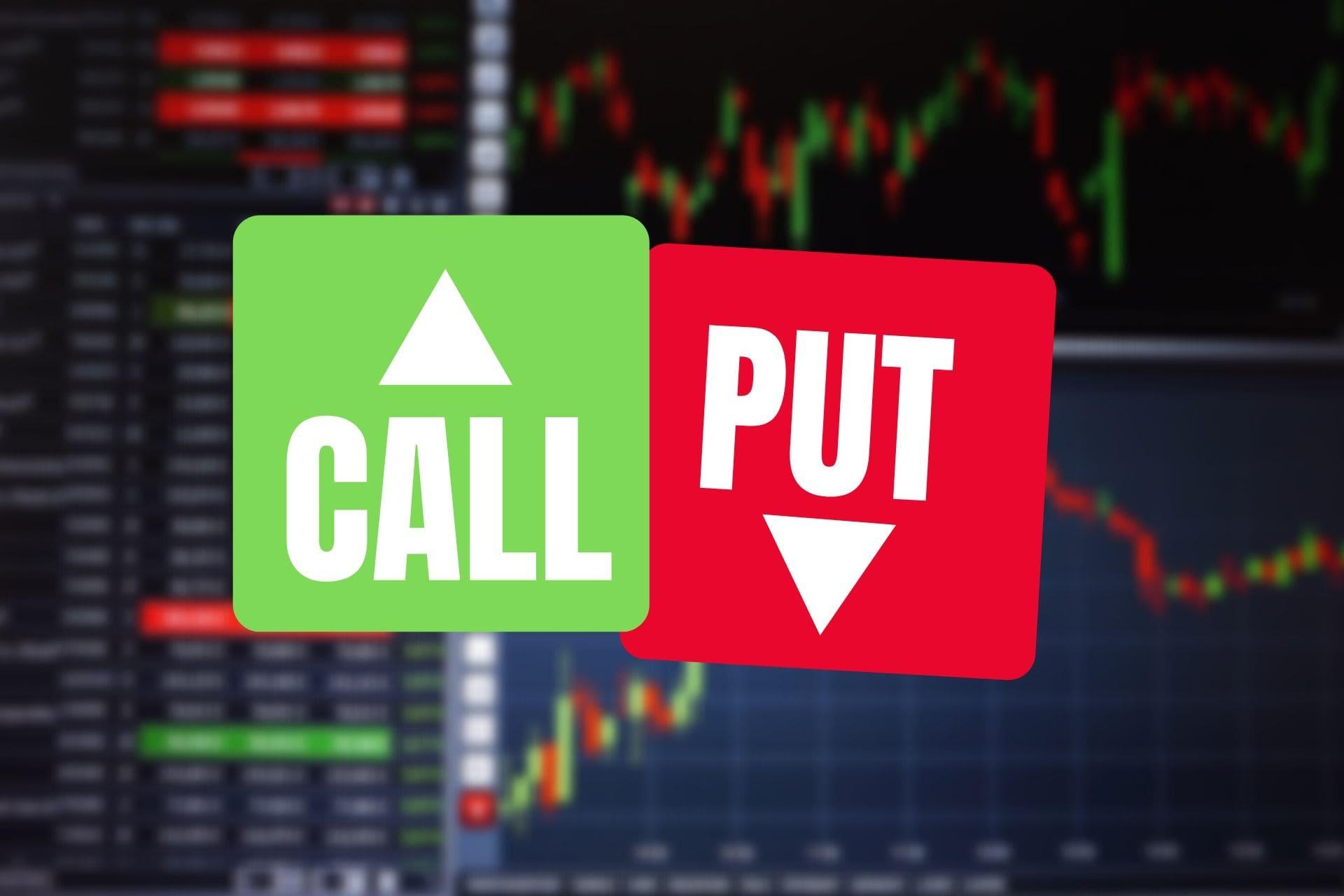
Choose the underlying asset you wish to deposit, typically stablecoins like USDC or ETH. Each vault has specific asset requirements; for example, a covered call vault on ETH requires ETH deposits, while a cash-secured put vault might require USDC. Check the vault’s minimum deposit threshold and any associated gas fees.
Understand the lock-up period and the specific options strategy being employed. Some vaults allow instant withdrawal, while others may lock your funds for the duration of an option contract (e.g., 7 days). Review the strategy details—whether it’s selling puts or calls—to ensure it aligns with your risk tolerance and market outlook.
To help you evaluate the broader ecosystem of structured yield products, here are some related resources and tools available on the market:


As an Amazon Associate, we may earn from qualifying purchases.
By following these steps, you can confidently manage the initial setup process for DeFi options vaults, ensuring a smoother entry into structured yield strategies.
No comments yet. Be the first to share your thoughts!