
What DeFi Options Vaults Actually Do
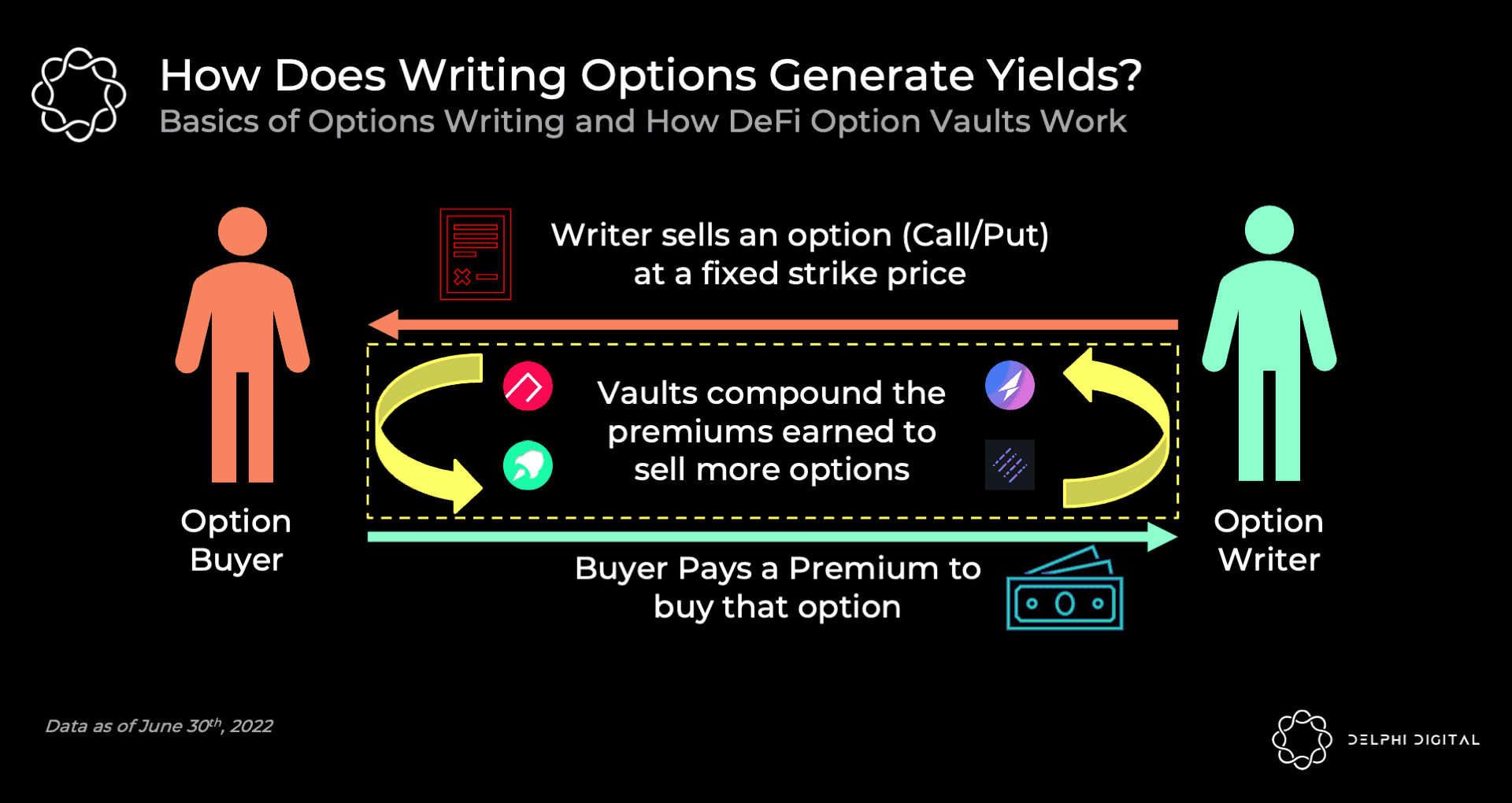
DeFi options vaults (DOVs) are staking protocols that automate the selling of vanilla call and put options against user collateral. Instead of manually managing strike prices and expiration dates, you deposit digital assets into a smart contract. The vault then continuously sells options to generate premium income, effectively turning your idle holdings into a yield-generating machine.
The core mechanism is straightforward: you provide the collateral, and the protocol handles the execution. As Paradigm notes in their analysis of DOV auctions, an overwhelming majority of these vaults revolve around selling these basic options structures to capture premiums from market makers and traders willing to hedge their positions. This removes the need for active trading skills, but it does not remove the risk.
In 2026, AI-driven logic has been layered onto this foundation to manage strike selection dynamically. Rather than relying on static parameters, AI models analyze volatility surfaces and liquidity conditions to adjust options strategies in real-time. This aims to optimize premium collection while attempting to mitigate the risk of being assigned unfavorable positions during market swings. However, this automation also introduces new complexities regarding model transparency and execution latency.
The reliance on automated systems means that your capital is subject to the code’s logic and the AI model’s decisions. Understanding how these vaults interact with broader DeFi liquidity pools is essential. You are not just betting on price direction; you are participating in a structured derivatives market where your role is that of the option writer, not the buyer.
AI-Driven Strike and Volatility Management
AI models in DeFi options vaults function as continuous risk managers, dynamically adjusting strike prices, expiration dates, and volatility surfaces to maximize yield while capping downside exposure. Unlike static strategies, these systems ingest real-time market data to recalibrate positions, ensuring that the vault remains aligned with current volatility regimes rather than relying on historical assumptions.
The primary mechanism involves predicting volatility shifts and adjusting the options grid accordingly. When market turbulence increases, the AI may shift strikes to higher premiums or shorten expirations to capture theta decay faster. Conversely, in low-volatility environments, it extends durations to maintain premium flow. This requires constant monitoring of the volatility surface, as distortions in implied volatility across different strikes can signal mispricing opportunities or emerging risks.
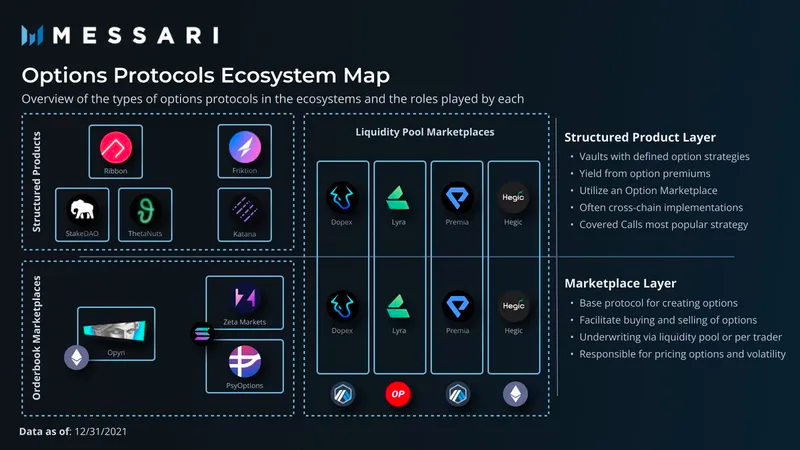
Risk management is the critical constraint in this process. AI models must balance the desire for higher yields against the potential for catastrophic losses during black swan events. Protocols like Ribbon Finance and other leading DOV frameworks use sophisticated risk engines to limit exposure to single-asset crashes or liquidity crises. The goal is not to predict the future but to react swiftly to changing conditions, ensuring that the vault’s risk profile remains within predefined parameters.
The effectiveness of these AI-driven strategies depends heavily on the quality of the underlying risk models. As noted in industry analyses, the growth of DeFi options vaults has been exponential, with notionals trading in billions of dollars monthly. However, this growth underscores the need for rigorous due diligence. Investors must scrutinize the AI’s risk controls, understanding that automated strategies can amplify losses if the underlying assumptions fail or if market conditions exceed the model’s training data.
Ultimately, AI optimization in options vaults represents a shift from passive yield farming to active, algorithmic risk management. While the potential for enhanced returns is significant, the complexity of these systems demands a high level of trust in the protocol’s code and risk parameters. Investors should prioritize platforms with transparent, audited AI models and robust risk management frameworks, recognizing that the stakes are high and the margin for error is slim.
Real-world asset collateral and stability
Use this section to make the DeFi Options Vaults decision easier to compare in real life, not just on paper. Start with the reader's actual constraint, then separate must-have requirements from details that are merely nice to have. A practical choice should survive normal use, maintenance, timing, and budget. If a recommendation only works in an ideal situation, call that out plainly and give the reader a fallback path.
| Factor | What to check | Why it matters |
|---|---|---|
| Fit | Match the option to the primary use case. | A good deal still fails if it does not fit the job. |
| Condition | Verify age, wear, and service history. | Hidden condition issues erase upfront savings. |
| Cost | Compare purchase price with likely upkeep. | The cheapest option is not always the lowest-cost option. |
Market performance and liquidity trends
Use this section to make the DeFi Options Vaults decision easier to compare in real life, not just on paper. Start with the reader's actual constraint, then separate must-have requirements from details that are merely nice to have. A practical choice should survive normal use, maintenance, timing, and budget. If a recommendation only works in an ideal situation, call that out plainly and give the reader a fallback path.
The simplest way to use this section is to write down the must-have criteria first, then compare each option against those criteria before weighing nice-to-have features.
Risks and due diligence steps
DeFi options vaults promise steady yield, but they carry structural risks that can drain capital during market stress. When selling options, you are effectively acting as insurance for buyers. If the market moves against you, the vault must cover the loss using the collateral posted. Without rigorous due diligence, AI-driven strategies can amplify losses rather than mitigate them. This section outlines the concrete steps to evaluate these vaults before deploying capital.
Do not rely on a single audit report. Look for multiple audits from reputable firms and check if the code has undergone formal verification. Formal verification uses mathematical proofs to confirm that the contract logic matches the intended design, reducing the risk of hidden bugs. If the vault uses novel mechanisms, such as the auction models discussed in Paradigm’s analysis of DOVs, ensure the code has been tested under those specific conditions.
Options pricing depends entirely on the accuracy of the underlying asset’s price feed. If the oracle is slow or manipulated, the vault may execute trades at incorrect prices, leading to immediate losses. Check which oracle provider the vault uses and whether it aggregates data from multiple sources to prevent single-point failures. Avoid vaults that rely on a single, unverified price source, especially during periods of high volatility.
Many vaults use black-box AI models to optimize yield. If you cannot understand how the model makes decisions, you cannot trust it during a crisis. Look for protocols that publish their model architecture, training data sources, and backtesting results. The model should explain why it chose a specific strike price or expiration date. If the AI logic is proprietary and opaque, treat it as a high-risk component that could fail silently.
Understand what assets are posted as collateral. If the collateral is volatile or illiquid, a market drop could trigger premature liquidation, locking your funds or causing losses. Check the liquidation threshold and whether the vault has a grace period or buffer. Professional market makers often maintain higher collateral ratios to withstand sudden market swings, so compare the vault’s settings against industry standards.
Before committing real funds, use testnet environments or backtesting tools to simulate the vault’s performance under various market conditions. Check how the AI model reacts to flash crashes, low liquidity, or high volatility. If the protocol provides historical performance data, compare it against the broader DeFi options market to see if the vault’s returns are consistent or outliers. Do not invest based on projected returns alone.
| Feature | Risk Level | Mitigation |
|---|---|---|
| Smart Contract | High | Multiple audits + formal verification |
| Oracle Data | Medium | Multi-source aggregation |
| AI Logic | High | Transparent model architecture |
| Collateral | Medium | Liquid assets + high ratios |
The goal is not to eliminate risk, but to understand it. By following these steps, you can identify vaults that are transparent, robust, and aligned with your risk tolerance. Always prioritize protocols that publish their code, models, and performance data openly.
DeFi price outlook and event calendar
Predicting asset trajectories in 2026 requires distinguishing between speculative sentiment and structural adoption. Current projections suggest modest price movements, with some models forecasting a 5% shift by mid-year, though these figures often lack the granularity needed for high-stakes risk management Coinbase. For options vaults specifically, price action is less about the base asset and more about volatility surfaces and yield generation efficiency. Do not treat static price targets as guarantees; they are snapshots of a highly liquid, 24/7 market.
The broader DeFi landscape is shifting toward institutional-grade infrastructure. As noted in industry analyses, 2026 marks a transition where vaults move from experimental DeFi niches to mainstream financial tools RockawayX. This maturity reduces speculative noise but increases the importance of technical due diligence on smart contract risks and collateralization ratios.
Key Industry Events
Frontiers in DeFi 2026 This fifth edition of the international event series is a critical convergence point for researchers, policymakers, and protocol developers. It addresses the critical challenges in Decentralized Finance, offering insights into regulatory frameworks and technological advancements that will shape vault mechanics in 2026 Frontiers in DeFi.
No comments yet. Be the first to share your thoughts!