
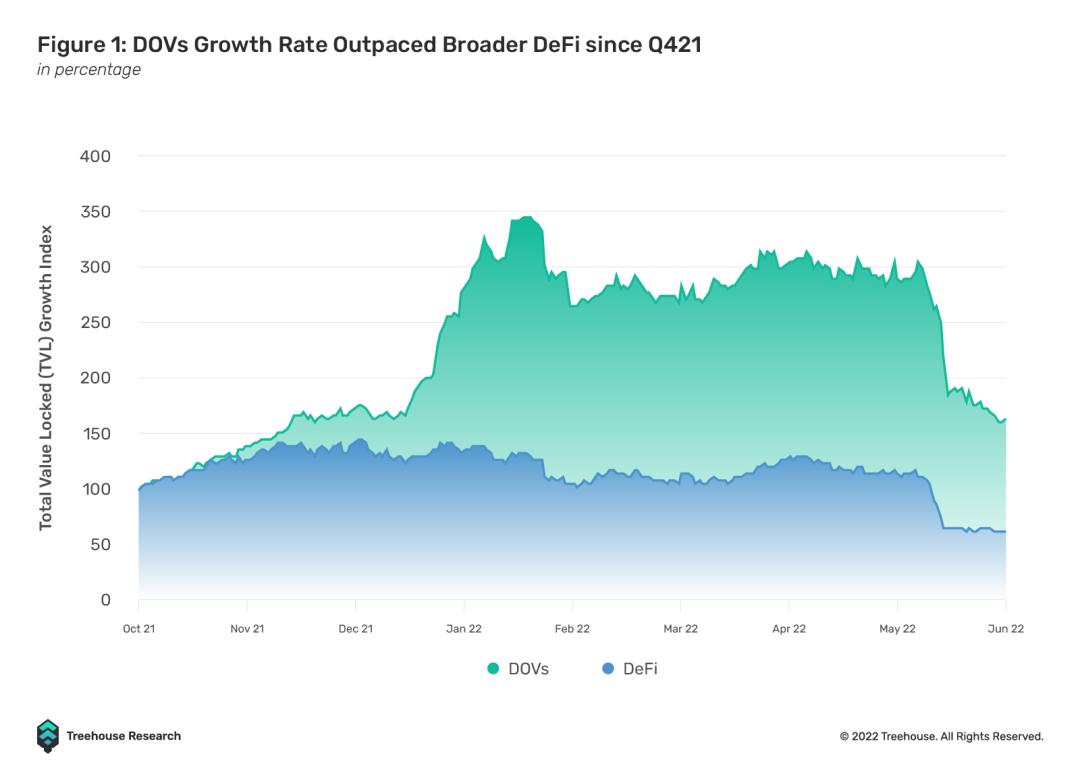
How DeFi options vaults work
DeFi options vaults (DOVs) are smart contract-based pools that automate the selling of options contracts to generate yield from premiums. Unlike simple staking, which offers fixed or variable interest rates, vaults monetize the high volatility of the underlying asset. When you deposit assets like ETH or USDC into a vault, the protocol acts as a market maker, systematically selling call or put options against your holdings.
The mechanism relies on two primary strategies: covered calls and cash-secured puts. In a covered call strategy, the vault holds the underlying asset and sells call options. If the asset price remains below the strike price, the vault keeps the premium. If the price rises above the strike, the vault sells the asset at that predetermined price, capping upside potential but securing the premium income. Conversely, cash-secured puts allow the vault to earn premiums while waiting to buy the asset at a lower target price, effectively creating a limit order that pays you for waiting.
This automation removes the need for manual trading. The smart contract continuously adjusts the strike prices and expiration dates to maximize premium collection while managing risk. According to Ribbon Finance, these vaults use on-chain logic to execute complex strategies that would be difficult for individual retail traders to replicate manually. The yield generated is not guaranteed; it is directly tied to market volatility. In calm markets, premiums shrink, reducing returns. In volatile markets, premiums expand, offering higher potential income but also increasing the risk of adverse price movements.
The transparency of on-chain execution means every trade is visible on the blockchain. This stands in contrast to traditional finance, where options strategies are often opaque. However, this transparency also exposes the vault to smart contract risk. If the underlying protocol has a vulnerability, the assets within the vault are at stake. Therefore, technical credibility and security audits are paramount. Investors must understand that they are not just earning yield; they are actively participating in the options market, accepting the risk of asset depreciation in exchange for premium income.
Ribbon, Dopex, and Harmonix: A Protocol Comparison
DeFi options vaults have evolved from experimental concepts into distinct product categories. Ribbon Finance pioneered the Decentralized Options Vault (DOV) model, establishing a baseline for structured yield. Dopex and Harmonix have since differentiated themselves by targeting specific risk profiles and chain ecosystems. Understanding these structural differences is essential for capital allocation in 2026.
The following table compares the core mechanics of these leading protocols. Data reflects official protocol documentation and current on-chain deployment status.
| Protocol | Strategy Type | Primary Chains | Risk Profile |
|---|---|---|---|
| Ribbon Finance | Volatility harvesting (Theta/Years) | Arbitrum, Ethereum, Optimism | High (Smart contract & market risk) |
| Dopex | Covered calls & cash-secured puts | Arbitrum | Medium-High (Liquidity & execution risk) |
| Harmonix Finance | Delta-neutral & wheel strategies | Arbitrum | High (Complex strategy risk) |
Ribbon Finance remains the market leader in terms of Total Value Locked (TVL) and brand recognition. Its vaults primarily generate yield by selling options against underlying assets like ETH and stablecoins. While the strategy is transparent, it exposes users to significant downside risk during sharp market corrections. Ribbon’s multi-chain presence offers flexibility for users managing gas costs across different networks.
Dopex focuses on a more direct application of options trading, specifically covered calls and cash-secured puts. This approach is often viewed as slightly more intuitive for traders familiar with traditional markets. However, Dopex is currently concentrated on Arbitrum, limiting its accessibility for users who prefer Ethereum mainnet or other Layer 2 solutions. Its risk profile is heavily tied to the liquidity depth of its specific pools.
Harmonix Finance positions itself as a hedge-fund-style protocol, employing complex strategies like the "wheel" and delta-neutral approaches. These strategies aim to minimize directional exposure, theoretically offering more consistent returns in sideways markets. However, the complexity introduces additional smart contract risk and operational nuance that may not suit passive investors seeking simplicity. Harmonix’s focus on Arbitrum aligns it closely with Dopex in terms of chain dependency.
When evaluating these protocols, prioritize the underlying strategy’s fit for your risk tolerance over historical APY, which is often unsustainable. Official documentation from Ribbon, Dopex, and Harmonix provides the most accurate, up-to-date information on contract architecture and risk parameters.
Best vaults for covered call strategies
Covered call vaults are engineered for bullish-to-neutral market conditions. They automate the sale of out-of-the-money call options against a crypto asset, harvesting premium to offset downside risk or generate yield.
Ribbon Finance remains the primary onchain provider for this strategy. Their smart contracts execute these options strategies without manual intervention, allowing users to deposit assets and earn premiums automatically. This approach is distinct from passive staking, as it actively manages volatility exposure.
While these vaults offer a defensive buffer in sideways markets, they cap upside potential if the underlying asset rallies sharply. Traders must understand that selling calls limits profit participation during strong bull runs. The trade-off is premium income for ceded upside.
Securing your assets before interacting with these complex DeFi protocols is a critical first step. Hardware wallets provide the necessary cold storage security to protect your principal from smart contract risks.


As an Amazon Associate, we may earn from qualifying purchases.
Vaults for delta-neutral and hedging
Delta-neutral strategies aim to isolate yield from time decay rather than directional price moves. By holding offsetting long and short positions, these protocols reduce exposure to market volatility, appealing to investors who want steady returns without betting on whether the market goes up or down. This approach is particularly useful when markets are sideways or when investors seek to hedge existing crypto holdings against downside risk.
Harmonix Finance
Harmonix Finance operates as a yield vault protocol that executes hedge-fund-style options strategies, including the wheel strategy and delta-neutral setups, directly on-chain. It is available on Arbitrum, offering a transparent way to access complex derivatives without manual management. The protocol automates the rebalancing of positions to maintain the neutral stance, capturing premium from options sellers while mitigating directional exposure.
Ribbon Finance
Ribbon Finance provides structured products designed to generate yield in flat or moderately bullish markets. Its vaults often employ delta-neutral or short-volatility strategies, such as selling put options against underlying assets. By locking capital into these structured products, investors can earn premiums that exceed traditional staking yields, though they must accept the risk of capped upside and potential principal exposure if the underlying asset drops significantly.
Technical Context
Delta-neutral strategies perform best in low-volatility environments or when implied volatility is high, allowing for richer premium collection. A chart of ETH/BTC can help visualize periods of consolidation where these strategies typically outperform directional bets.
Risk Considerations
While delta-neutral reduces directional risk, it does not eliminate all risks. Smart contract vulnerabilities, liquidity crises, or extreme market shocks can still lead to losses. Additionally, if volatility spikes unexpectedly, the hedging positions may not offset losses perfectly, leading to drawdowns. Investors should carefully review the specific strategy mechanics of each vault before depositing funds.


As an Amazon Associate, we may earn from qualifying purchases.
Risks and Security Considerations
DeFi options vaults operate in a high-stakes environment where the potential for yield is directly tied to the severity of technical and market risks. Unlike traditional finance, where custodians and insurance funds provide a safety net, DeFi relies entirely on code and market mechanics. Understanding these vulnerabilities is essential before allocating capital.
Smart Contract and Protocol Risk
The foundation of any DeFi options strategy is the smart contract. While protocols like Ribbon Finance have pioneered these structures, code is immutable once deployed. A vulnerability in the contract logic, the underlying oracle, or the bridge connecting different blockchains can lead to total loss of funds. This risk is compounded by the complexity of options pricing models, which require precise mathematical execution. Audits reduce but do not eliminate this risk; they only identify known issues before launch.
Impermanent Loss and Market Exposure
Options vaults are not immune to the market forces that affect all DeFi positions. Many strategies involve providing liquidity or holding underlying assets, exposing investors to impermanent loss if the price of the asset moves significantly away from the entry point. Additionally, the premium income generated by selling options can be wiped out if the market moves sharply against the position. For example, selling a put option in a bear market can result in being forced to buy the asset at a price higher than the market value, leading to immediate unrealized losses.
Liquidation and Volatility Risks
Many DeFi options strategies are leveraged or require collateral. If the value of the collateral drops below a certain threshold, or if the protocol’s risk parameters are breached, positions can be liquidated instantly. This is particularly dangerous in highly volatile crypto markets, where price swings can trigger liquidations faster than a user can react. The "Friday problem," as noted by Paradigm, highlights how weekly settlement mechanisms can exacerbate these risks during periods of low liquidity or high volatility.
Hardware Security
Securing your private keys is the first line of defense. If your wallet is compromised, no amount of protocol security can protect your funds. Using a hardware wallet ensures that your private keys never touch an internet-connected device, significantly reducing the risk of phishing or malware attacks.


As an Amazon Associate, we may earn from qualifying purchases.
Frequently asked questions about DeFi options


As an Amazon Associate, we may earn from qualifying purchases.
No comments yet. Be the first to share your thoughts!