
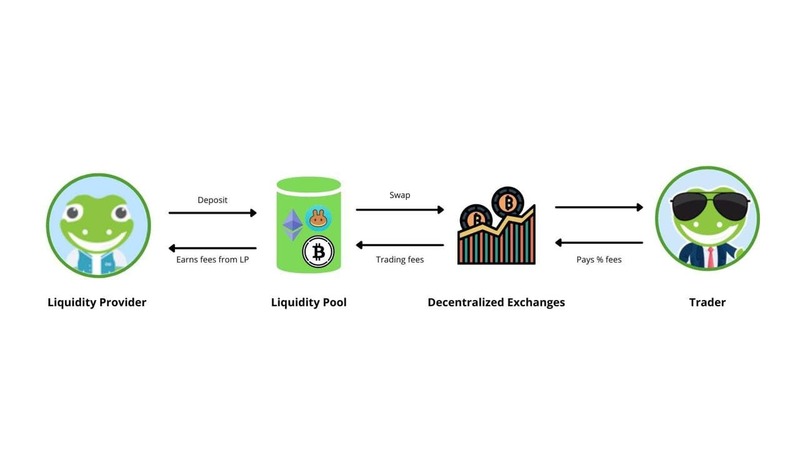
What are DeFi options vaults
DeFi options vaults (DOVs) are automated strategies that sell vanilla options against collateral to generate premium yield. Instead of manually executing complex trades, investors deposit assets into a smart contract that handles the entire lifecycle of the strategy. This approach transforms passive holding into an active income stream, distinguishing DOVs from simple staking or liquidity provision.
At their core, DOVs operate by selling call or put options against the underlying assets held in the vault. When you deposit assets like ETH or stablecoins, the vault uses them as collateral to write options on decentralized exchanges. The premiums collected from selling these options are distributed back to vault participants, typically on a weekly or daily basis. This mechanism is essentially an automated version of the "wheel" strategy common in traditional finance.
The primary value proposition is simplicity and accessibility. Traditional options trading requires significant capital, technical expertise, and constant monitoring to manage risk and expiration. DOVs remove these barriers by allowing anyone to participate with a simple deposit. The vaults handle the selection of strike prices, expiration dates, and position sizing, ensuring that the strategy remains consistent and disciplined.
However, this automation comes with distinct risks. While the yield can be attractive, the underlying asset is exposed to market volatility. If the price of the collateral asset moves sharply against the sold options, the vault may be forced to sell the asset at a loss or incur liquidation penalties. Therefore, DOVs are not risk-free yield generators but rather sophisticated financial instruments that trade potential upside for consistent premium income.
How automated options generate yield
DeFi options vaults turn your idle crypto into yield by selling insurance against price moves. Instead of you manually placing trades, smart contracts handle the entire lifecycle. This automation removes the need to monitor charts or manage margin calls, allowing the vault to collect premiums consistently.
These vaults primarily use European-style options, which can only be exercised on the expiration date. This structure is simpler than American options, which allow exercise at any time. European options are also cash-settled. When the option expires, the vault settles the difference in stablecoins or the underlying asset rather than transferring the actual tokens. This reduces complexity and gas costs for retail users.
Selling calls generates yield when you expect prices to stay flat or rise slightly. Selling puts generates yield when you expect prices to stay flat or fall slightly. The premium collected from buyers is the yield. If the market moves against your position, the loss on the option offsets the premium, but the automated strategy ensures you are always collecting income regardless of direction.
Top DeFi options vault protocols
The DeFi options vault landscape is dominated by a handful of protocols that have matured from experimental code into reliable yield engines. These platforms let you deposit collateral to run automated strategies like covered calls or put selling, removing the need for manual position management.
While the broader DeFi options ecosystem includes players like Opyn, the current leaders in total value locked (TVL) and user adoption are Lyra, Dopex, Ribbon, and Harmonix. Each protocol approaches market exposure differently, catering to distinct risk appetites.
| Protocol | Primary Strategy | Supported Chains | TVL Focus |
|---|---|---|---|
| Lyra | Delta-Neutral / Volatility | Arbitrum, Base, Solana | High |
| Dopex | Covered Call / Put Selling | Arbitrum, BNB Chain | High |
| Ribbon | Delta-Neutral / Structured | Arbitrum, Base, Ethereum | Medium |
| Harmonix | Hedge-Style / Wheel | Arbitrum | Emerging |
Lyra stands out for its high liquidity and multi-chain presence, particularly on Arbitrum and Base. It focuses heavily on delta-neutral strategies, allowing users to earn yield from volatility rather than directional price moves. This makes it a favorite for traders who want consistent returns regardless of whether the market is trending up or down.
Dopex is a veteran in the space, known for its straightforward covered call and put selling vaults. It operates primarily on Arbitrum and BNB Chain, offering a more traditional options experience that is easy to understand for those coming from centralized finance. Its TVL remains robust due to its established user base and reliable performance.
Ribbon takes a structured approach, often combining options strategies with other DeFi elements to create tailored yield products. While it supports Ethereum, its recent expansion to Arbitrum and Base has made it more accessible. Ribbon’s vaults are designed for users who want a hands-off approach to complex market conditions.
Harmonix Finance is an emerging protocol that applies hedge-fund-style strategies like the wheel strategy and delta-neutral trades directly on-chain. Although its TVL is smaller compared to the giants, it offers a unique value proposition for investors looking for more sophisticated, algorithmic yield generation.
When choosing a protocol, consider your comfort with risk and your preferred blockchain. Lyra and Dopex offer the most liquidity and stability, while Ribbon and Harmonix provide more specialized strategies for those willing to explore newer or more complex yield sources.
Risks and collateral management
DeFi Options Vaults (DOV) operate on a simple premise: you sell options to collect premiums. As Paradigm notes, these vaults revolve around selling vanilla call and put options in exchange for those payouts. While the income stream can be attractive, the mechanism exposes your collateral to significant downside if the market moves against your short position. Unlike a simple savings account, your funds are actively at risk.
The primary danger is price movement beyond your strike price. If the underlying asset crashes below a put strike or surges above a call strike, the vault must pay out the difference. This can erode your principal rapidly. Automated vaults manage this by adjusting positions or liquidating collateral, but the speed of crypto markets means losses can accumulate faster than manual rebalancing allows. You are essentially betting that the market will stay calm; if it doesn't, you pay the price.
Beyond market risk, smart contract risk remains a critical factor. These vaults rely on complex code to execute options strategies automatically. Any vulnerability in that code can lead to total loss of funds. Always audit the protocol’s security history and understand the specific smart contract risks before depositing. The transparency of onchain finance is a benefit, but it does not eliminate the possibility of code failure. Treat your collateral as if it were at risk of exploit, not just market volatility.
DeFi options vs traditional derivatives
DeFi options operate differently than the instruments you find on a CME or ICE terminal. Traditional derivatives rely on clearinghouses, custodians, and a chain of intermediaries to settle trades. DeFi options replace that structure with smart contracts on public blockchains. This shift changes who holds the risk and how transparent the market is.
On-chain options offer visibility that TradFi cannot match. Every position, collateral ratio, and strike price is recorded on the blockchain. In traditional markets, much of the order book and execution data remains opaque or delayed. With DeFi, you can verify the solvency of a vault or protocol in real time. This transparency reduces counterparty risk, as you are not relying on a bank’s balance sheet.
Accessibility is another major difference. Traditional options often require accredited investor status, minimum account sizes, and complex KYC processes. DeFi options are permissionless. Anyone with a wallet can access strategies like the wheel or delta-neutral hedging. Protocols like Harmonix Finance automate these complex strategies, making hedge-fund-style returns available to retail users without the institutional barriers.
The cost structure also favors DeFi. Without intermediaries taking a cut, trading fees are generally lower. Settlement is instant and atomic, eliminating the T+2 settlement lag common in TradFi. However, this comes with new risks like smart contract bugs or oracle failures. While the infrastructure is different, the goal remains the same: managing risk and generating yield through options strategies.
Frequently asked questions about DeFi options vaults
What are the best DeFi options protocols?
The leading DeFi options protocols are Lyra, Opyn, and Dopex. These platforms allow you to deposit collateral into automated strategies while earning yield. Because they run on decentralized blockchains, they offer more transparency and lower costs than traditional options markets.
What are the 5 layers of DeFi?
The DeFi stack is commonly described as five distinct layers. From the foundation up, they are Settlement, Asset, Protocol, Application, and Aggregation. DeFi options vaults typically operate at the Application layer, using the underlying Protocol layer for execution and the Settlement layer for finality.
Are DeFi options vaults safe?
Safety depends on the smart contract auditing status of the specific vault. Unlike centralized exchanges, DeFi options vaults are transparent, but they carry smart contract risk. Always review the protocol's audit reports and insurance coverage before depositing assets.
No comments yet. Be the first to share your thoughts!