
Select a compliant options vault
The first step in deploying capital is choosing a vault that aligns with your risk tolerance and regulatory comfort. Unlike centralized exchanges, DeFi options vaults operate on-chain, meaning their code is public, but their legal wrappers and custody structures vary widely. You need to verify the protocol’s transparency, the specific options strategy employed, and the collateral requirements before locking funds.
1. Verify Protocol Transparency and Audit History
Start by checking if the vault’s smart contracts have been audited by reputable firms. Look for public verification on block explorers and read the audit reports for any critical or high-severity findings that were not remediated. Transparency extends beyond code; check if the protocol publishes regular performance reports and strategy explanations.
2. Assess Regulatory Stance and Legal Wrappers
Regulatory compliance in DeFi is fragmented. Some protocols operate as decentralized autonomous organizations (DAOs) with no central legal entity, while others may have offshore legal wrappers or partnerships with regulated entities. Determine if the protocol discloses its jurisdictional stance and if it restricts users from sanctioned countries. This due diligence is critical for high-stakes capital deployment.
3. Evaluate Strategy and Collateral Requirements
Different vaults employ different options strategies, such as covered calls, cash-secured puts, or delta-neutral hedging. Each strategy carries distinct risk profiles. Additionally, check the collateral requirements. Some vaults require stablecoins, while others accept volatile assets like ETH or BTC as collateral. Ensure you understand the liquidation risks and fee structures associated with each strategy.
4. Compare Key Vault Metrics
Use the table below to compare leading options vaults based on strategy type, collateral, and regulatory transparency. This comparison helps you identify which vaults align with your specific deployment goals.
| Protocol | Primary Strategy | Collateral Type | Regulatory Transparency |
|---|---|---|---|
| Lyra | Volatility Trading | ETH/USDC | DAO-led, public audits |
| Opyn | Synthetic Options | USDC | On-chain, verified contracts |
| Dopex | Covered Calls/Puts | DPX/ETH/USDC | DAO-led, public governance |
| Harmonix Finance | Hedge-Fund Strategies | Multi-asset | Emerging, public docs |
Fund the vault with approved collateral
Deploy Capital in DeFi Options Vaults works best as a clear sequence: define the constraint, compare the realistic options, test the tradeoff, and choose the path with the fewest hidden costs. That order keeps the advice usable instead of decorative. After each step, pause long enough to check whether the recommendation still fits the reader's actual situation. If it depends on perfect timing, unusual access, or a best-case budget, include a simpler fallback.
How the smart contract executes your options
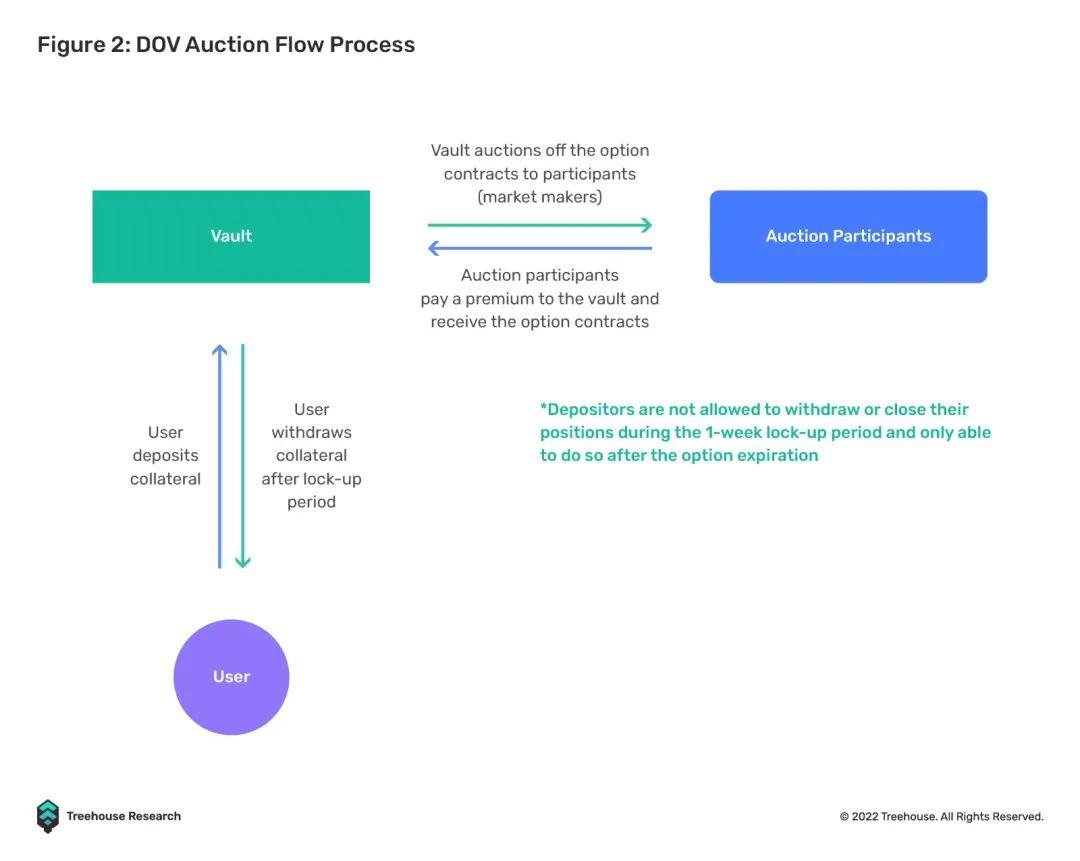
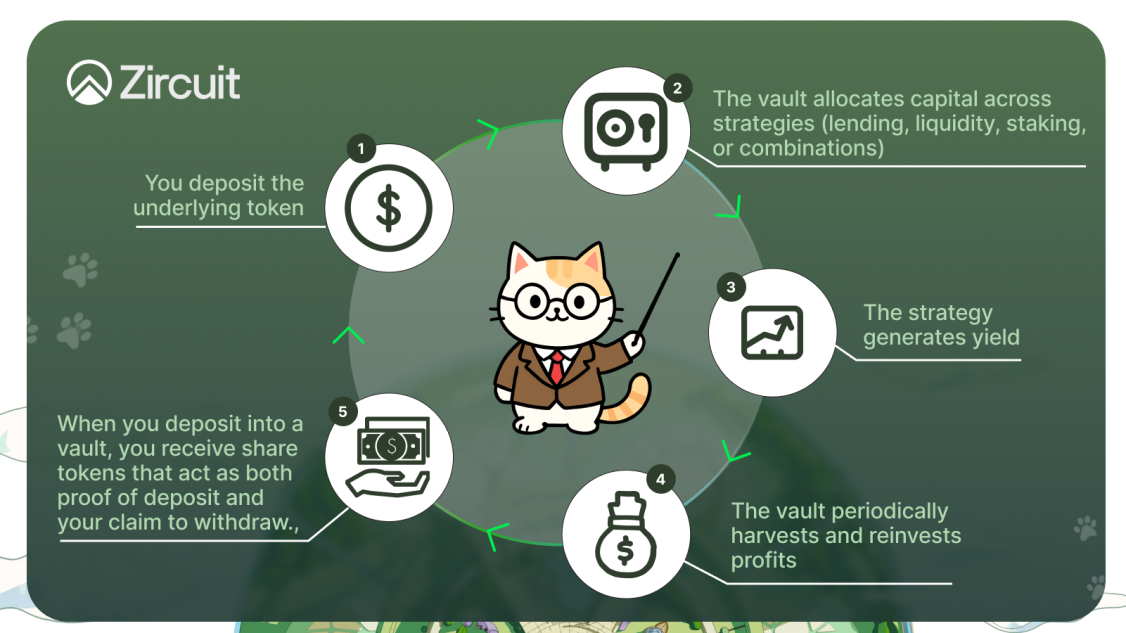
When you deposit assets into a DeFi Options Vault (DOV), the smart contract acts as an automated trader. Instead of a human manager deciding when to enter a position, the code follows a pre-programmed set of rules to sell options on your behalf. The primary goal is to collect premiums from buyers who are betting against your asset's price movement.
Selling calls and puts
The vault typically sells either call options (betting the price will rise) or put options (betting the price will fall). For example, if you deposit ETH into a vault configured to sell puts, the contract automatically issues a put option contract. This means you are obligated to buy ETH at a specific price if the market drops below that level. In exchange for taking on this risk, you receive the premium paid by the option buyer. This process repeats continuously as options expire and new ones are issued.
Settlement methods matter
How the contract handles the final outcome depends on the settlement method. Most DeFi options settle in cash or the underlying asset. In a cash-settled vault, if the option expires in the money, the contract calculates the profit and transfers stablecoins or the base asset to the buyer. If it expires out of the money, the premium is kept by the vault. In physically settled options, the actual asset changes hands. Understanding which method your vault uses is critical, as it affects how your capital is tied up during volatility.
The expiration cycle
Options have a fixed lifespan. Once an option expires, the contract checks the market price against the strike price. If the option is worthless, the premium is added to the vault's value. If it is valuable, the contract executes the settlement logic. The vault then immediately begins writing new options, often at a new strike price or expiration date, depending on the strategy. This cycle allows the vault to generate yield over time, but it also exposes your capital to continuous market risk.
The mechanics are transparent on-chain. You can track every option sale, premium received, and settlement event directly in the vault's contract. This visibility is a key advantage over traditional options markets, where such detailed trade data is often opaque.
Monitor positions and manage risk
DeFi options vaults automate yield generation, but automation does not remove the need for oversight. Smart contracts execute predefined logic, yet market conditions shift rapidly. You must track performance metrics and recognize when to withdraw or rebalance to protect your capital.
Track performance metrics
Use tracking platforms like DefiLlama to monitor Total Value Locked (TVL) and volume for your specific options vault. These metrics reveal whether the strategy is maintaining its intended risk profile or if capital is flowing out due to poor performance. Regular checks help you identify if the vault’s yield is consistent with its risk level or if it is deviating into unsustainable territory.
Assess liquidity and fees
Before initiating a withdrawal, verify the vault’s liquidity depth. Options strategies can become illiquid during high volatility, potentially causing slippage or delayed exits. Review the protocol’s fee structure, including performance fees and withdrawal penalties, to ensure the net return justifies the exit. Unchecked fees can erode profits, especially in smaller positions.
Rebalance or withdraw
If performance metrics deteriorate or market conditions change, rebalancing or withdrawing may be necessary. Many vaults allow partial withdrawals or strategy adjustments. Consult the vault’s documentation for specific rebalancing triggers. If the strategy no longer aligns with your risk tolerance, execute a full withdrawal to preserve capital.
Pre-withdrawal checklist
-
Verify TVL and volume trends on DefiLlama
-
Check current liquidity depth and slippage estimates
-
Review fee structure for withdrawal penalties
-
Confirm tax implications of the exit
-
Execute withdrawal via official vault interface
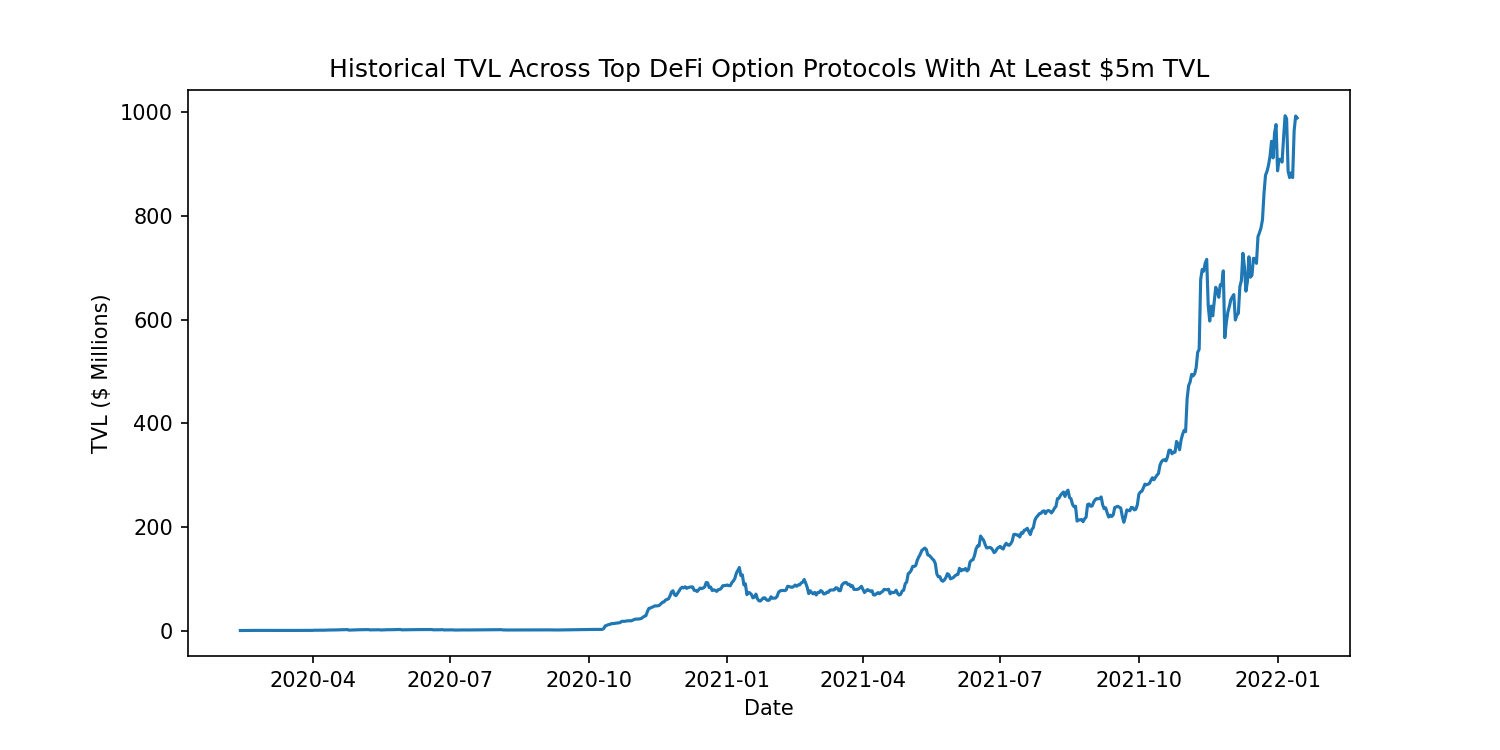
Use DefiLlama to track the Total Value Locked (TVL) and trading volume of your chosen options vault. These metrics indicate whether the strategy is attracting or losing capital, signaling potential shifts in market confidence or strategy effectiveness.
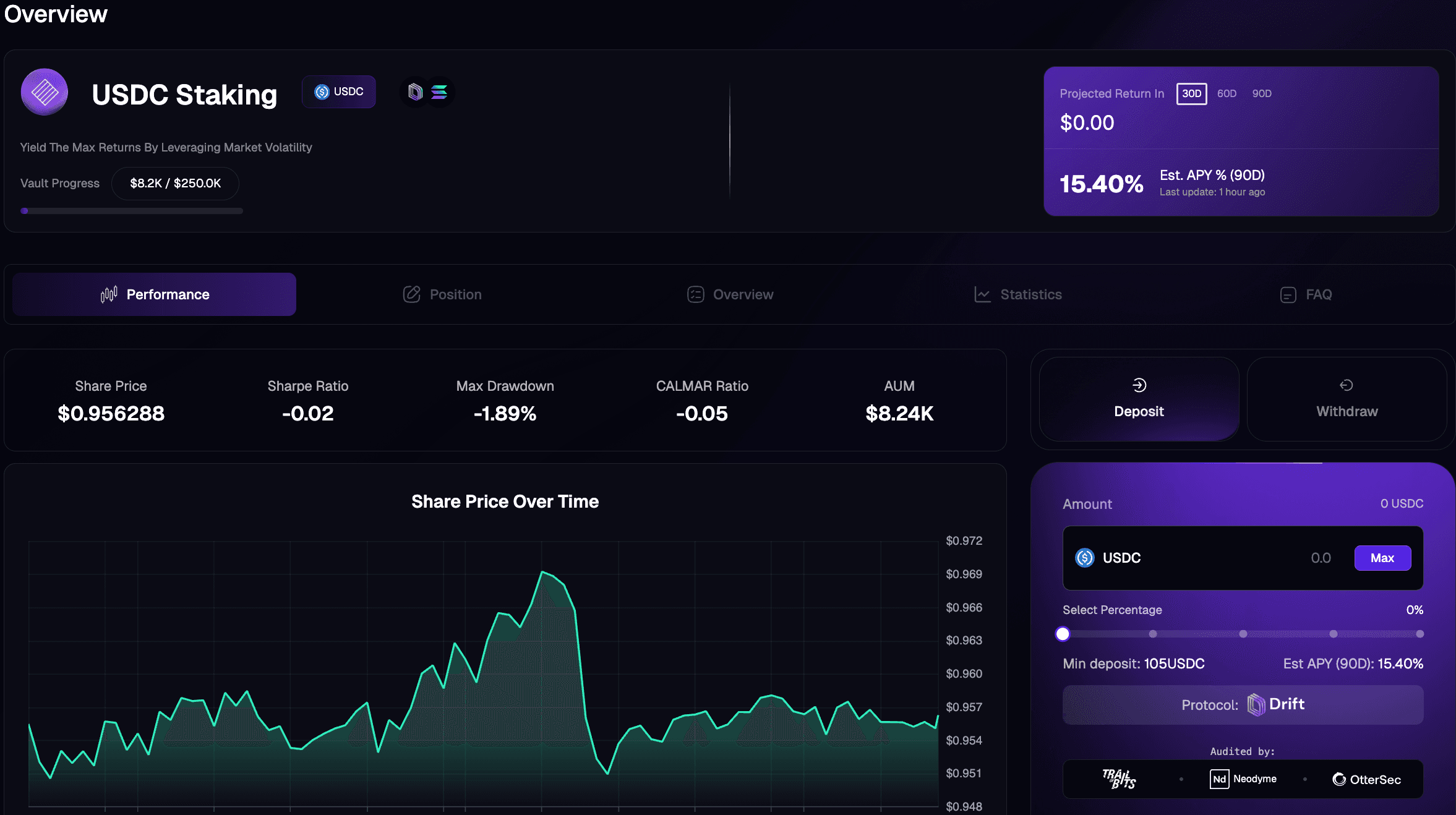
Before withdrawing, assess the vault’s liquidity. Options strategies can face slippage during high volatility. Ensure sufficient liquidity exists to exit your position without significant price impact.
Examine the vault’s fee schedule, including performance fees and withdrawal penalties. High fees can erode returns, especially for smaller positions or frequent exits. Calculate the net yield after all costs.
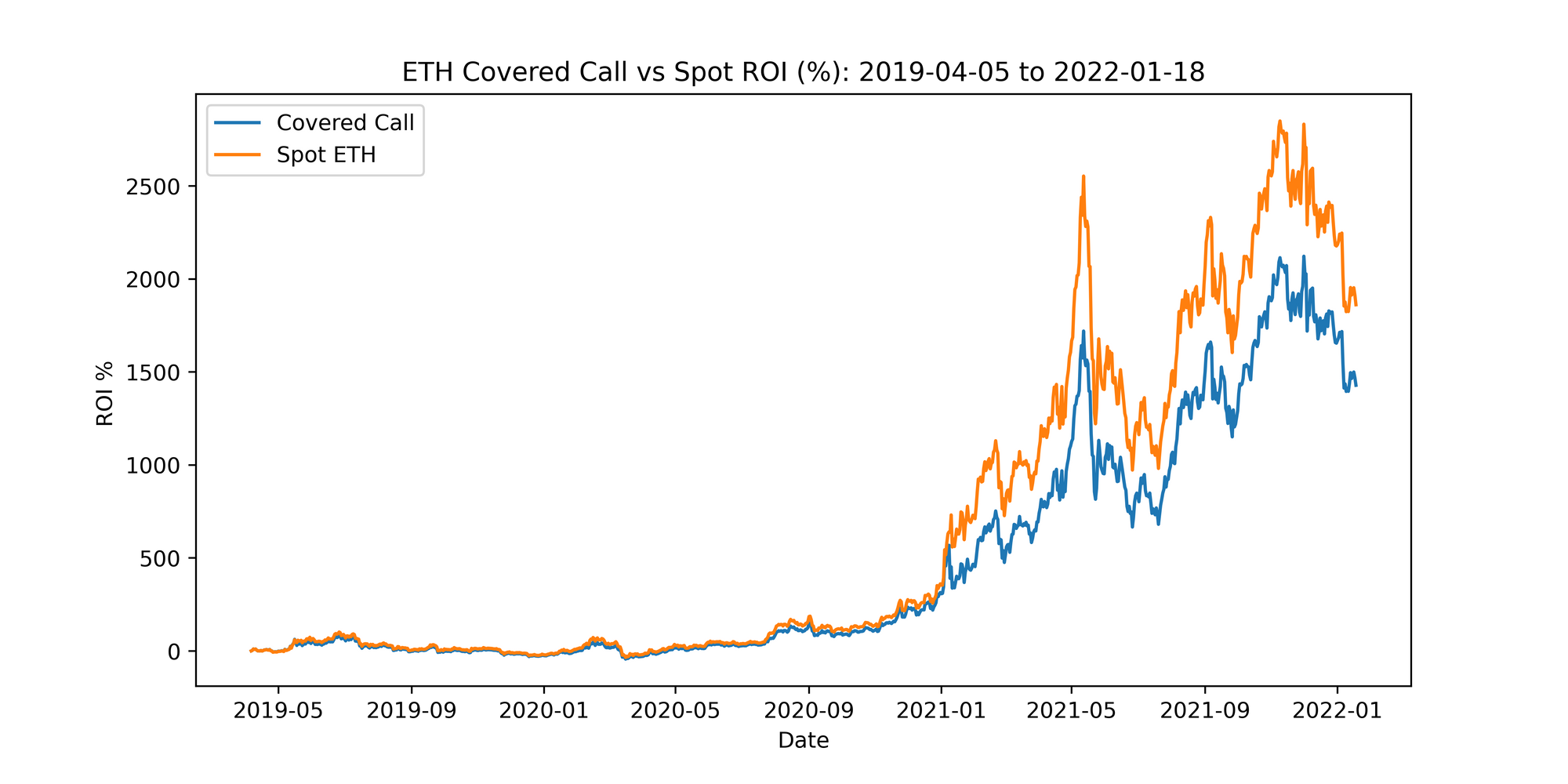
If metrics deteriorate, withdraw or rebalance according to the vault’s guidelines. Use the official interface to ensure security. Document the transaction for tax and record-keeping purposes.
No comments yet. Be the first to share your thoughts!