
What are DeFi options vaults?
DeFi Options Vaults (DOVs) are smart contract pools that let you deposit assets to automatically execute options strategies. Instead of manually buying calls or puts, you stake your capital and let the vault manage the premiums, strikes, and expirations. This structure turns complex derivatives trading into a passive yield stream.
The strategy logic aims to balance fee income with price variation, or drift. Vaults often allocate to pools that combine stablecoins or liquid staking tokens, where prices are tightly correlated. The vault collects fees, claims protocol incentives, and periodically sells them to compound the position. This approach reduces the need for constant market monitoring while providing a buffer against moderate volatility.
Top DeFi options protocols like Lyra, Opyn, and Dopex enable these vaults. Decentralized options run on public blockchains, making them far more transparent than traditional finance options. Additionally, DeFi options are cheaper to trade, more accessible, and programmable, allowing for automated risk management without intermediaries.
| Feature | DeFi Options Vault | Manual Options Trading |
|---|---|---|
| Execution | Automated by smart contract | Requires active management |
| Transparency | On-chain, public ledger | Often opaque or exchange-bound |
| Cost | Lower gas and fees | Higher slippage and spreads |
Defi options vaults choices that change the plan
DeFi options vaults automate the process of selling premium, but they are not risk-free yield generators. Unlike traditional yield farming, these vaults expose your capital to the underlying asset's price movements. Understanding the mechanics behind the returns is essential before allocating funds.
The Mechanics of Risk
Most DeFi options vaults operate by selling vanilla call or put options against a deposited asset. This strategy generates income through premiums, but it introduces specific risks depending on market direction. If you sell calls, you cap your upside potential if the asset price rises sharply. If you sell puts, you may be forced to buy the asset at a strike price higher than the market value during a downturn.
The core tradeoff is simplicity versus control. You gain passive income and automated execution, but you lose the ability to react to sudden market shifts. The vault's smart contract executes the strategy based on predefined parameters, which means you are trusting the code's logic during high-volatility events.
Comparing Vault Models
Different vaults employ varying strategies to balance risk and reward. Below is a comparison of common vault approaches found in the current market.
Evaluating the choices that change the plan
When choosing a vault, consider the volatility of the underlying asset and your risk tolerance. Vaults that sell options on highly volatile assets like ETH or SOL can generate higher premiums but carry greater exposure to sharp price swings. Conversely, stablecoin-based vaults offer lower yields with reduced directional risk.
Always review the vault's historical performance during past market cycles. High returns in a bull market may not translate to stability during a bear market. The goal is to find a balance where the premium income compensates for the potential drawdown in the underlying asset's value.
Technical analysis can help inform your entry and exit points, even in an automated vault environment. Monitoring the broader market trend allows you to assess whether the current option premiums are favorable relative to historical averages.
Choose the next step
How DeFi Options Vaults Are Redefining Yield works best as a clear sequence: define the constraint, compare the realistic options, test the tradeoff, and choose the path with the fewest hidden costs. That order keeps the advice usable instead of decorative. After each step, pause long enough to check whether the recommendation still fits the reader's actual situation. If it depends on perfect timing, unusual access, or a best-case budget, include a simpler fallback.
Avoid the Weak Options
Not every DeFi options vault delivers the yield it promises. Many protocols market themselves as "set-and-forget" volatility hedges, but the underlying mechanics often expose capital to unexpected risks. Before allocating funds, you need to separate the sophisticated strategies from the hollow ones.
1. The "Yield Farming" Disguise
Some vaults claim to offer options income but actually just lend out your assets. This is not options trading; it is lending with a different label. You are exposed to the same smart contract risks and impermanent loss as standard lending pools, without the convexity benefits of actual options. Check the protocol documentation: if there is no mention of Greeks, strike prices, or expiration dates, it is likely a lending wrapper.
2. Illiquid Underlying Assets
A vault is only as good as its exit strategy. Many newer options vaults use low-liquidity tokens as the underlying asset. If the market turns, you may not be able to exit the position without significant slippage. This is particularly dangerous in options strategies where time decay works against you. Stick to vaults that use established, high-volume assets like ETH or major stablecoins.
3. Over-Complicated Fee Structuresn
Complex fee models can hide high costs. Some vaults charge performance fees on unrealized gains, which can erode returns during bull markets. Others have high withdrawal fees that penalize short-term holders. Read the fine print. A simple, transparent fee structure is usually a sign of a more honest protocol.
4. Lack of Transparency
If you cannot see the open positions, strikes, and premiums in real-time, avoid the vault. Transparency is key in DeFi. Look for protocols that integrate with on-chain analytics tools like DefiLlama, where you can verify TVL, fees, and revenue.
The best DeFi options protocols, such as Lyra, Opyn, and Dopex, offer transparency and liquidity. They allow you to see exactly what you are trading and how your capital is being used. Avoid the rest.
Defi options vaults: what to check next
What is a DeFi vault?
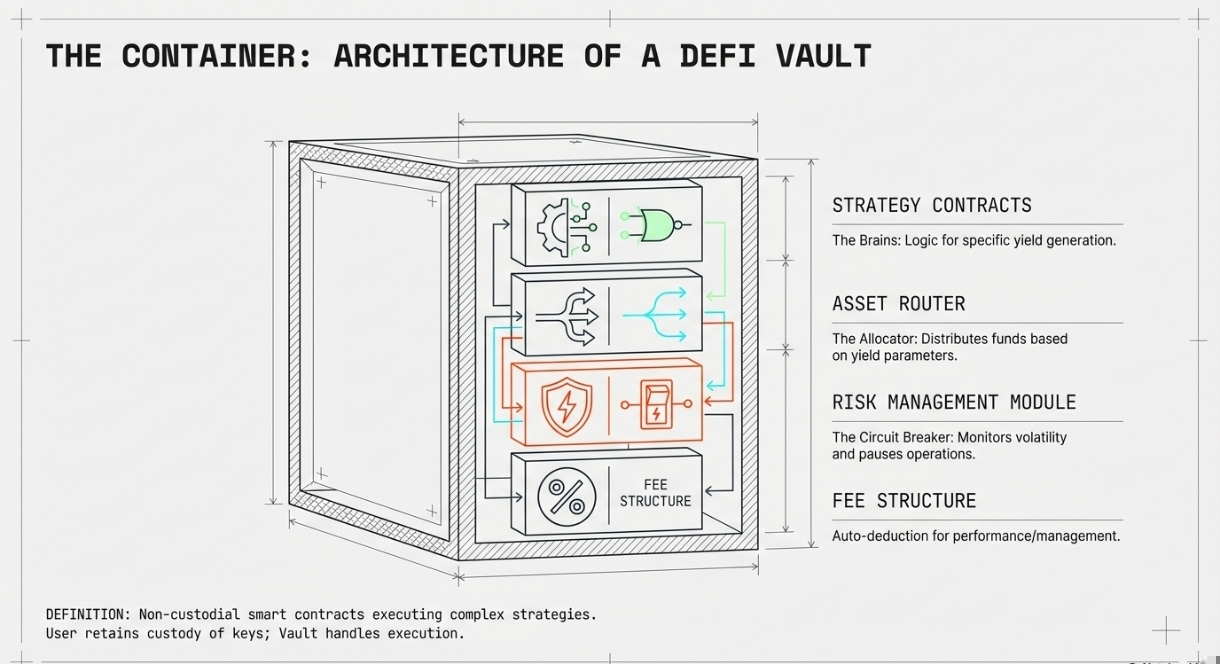
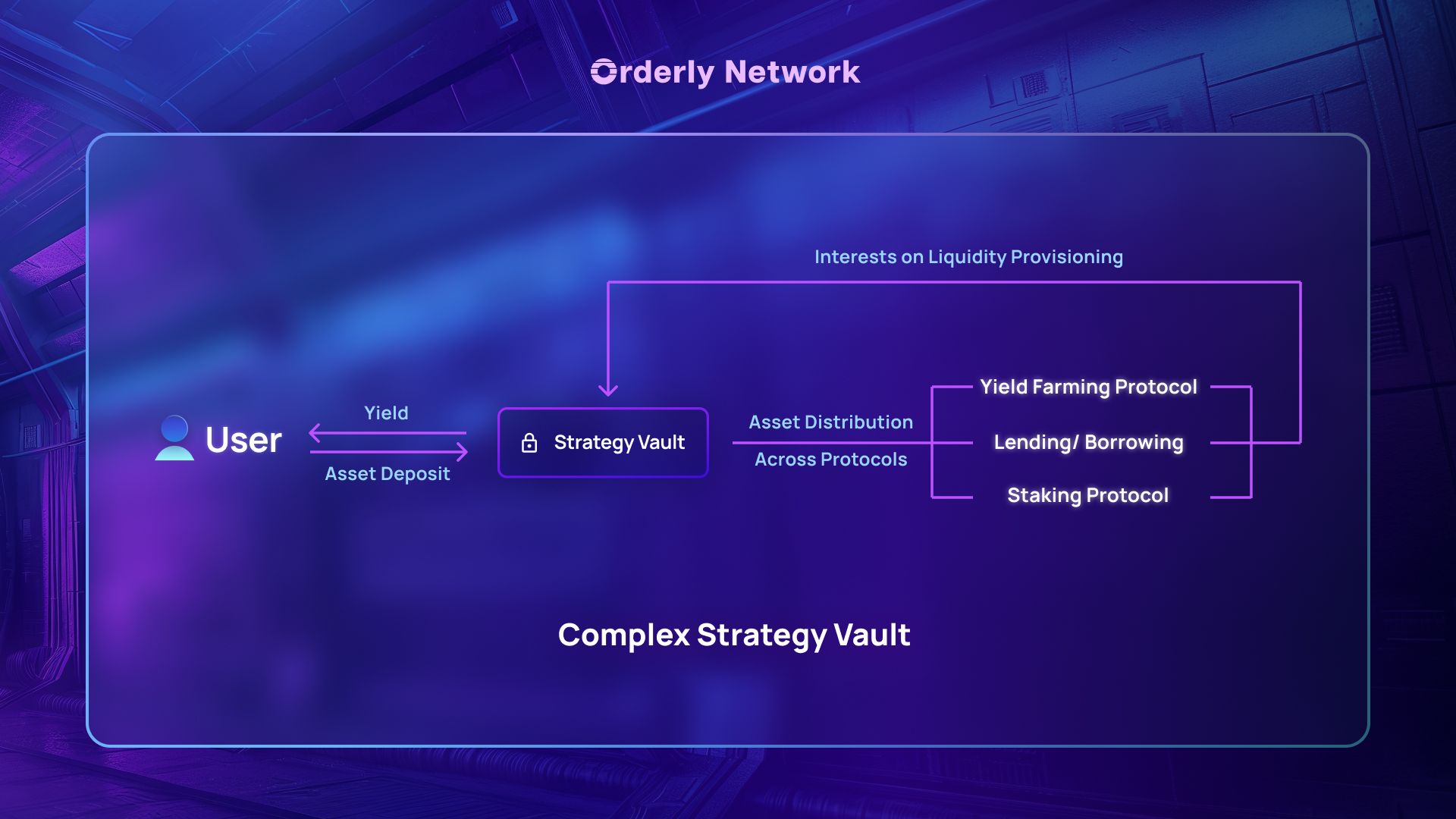
A DeFi vault is a smart contract that pools user funds to execute automated strategies. Instead of manually managing positions, you deposit assets—like ETH or stablecoins—into the vault. The vault’s code then deploys these assets into yield-generating activities, such as lending or options trading, and distributes the returns to token holders.
What are DeFi options?
DeFi options are decentralized financial contracts that give holders the right to buy or sell an underlying asset at a set price within a specific timeframe. Unlike centralized exchanges, these contracts run on public blockchains, offering greater transparency and accessibility. They allow traders to hedge risk or speculate on price movements without relying on traditional market makers.
What is the DeFi vault strategy?
DeFi options vaults primarily generate yield by selling options, such as covered calls or cash-secured puts, against the deposited assets. This strategy collects premiums from buyers in exchange for taking on directional risk. The vault’s logic aims to balance this fee income with price drift, often compounding the position by reinvesting profits to maximize long-term returns.
What is the best DeFi option trading?
There is no single "best" protocol, as top platforms like Lyra, Opyn, and Dopex serve different needs. Lyra focuses on spot options trading, while others specialize in vault-based passive income. The best choice depends on whether you prioritize active trading flexibility or automated yield generation. Always compare TVL, fees, and smart contract audits before committing capital.
No comments yet. Be the first to share your thoughts!