
Choose your underlying asset
DeFi options vaults are asset-specific. You cannot mix assets within a single vault strategy; the underlying token determines the available liquidity, volatility profile, and premium generation potential. Your first task is to select an asset that aligns with your risk tolerance and current market view.
The most common underlying assets for options vaults are Bitcoin (BTC) and Ethereum (ETH). These assets offer the deepest liquidity and the most established options markets, both centralized and decentralized. Higher liquidity means tighter bid-ask spreads and more consistent premium collection. If you are new to options vaults, starting with BTC or ETH reduces execution risk. Volatility is the engine of yield in options vaults. Vaults monetize the high volatility of the underlying asset by selling options and collecting premiums. If an asset is too stable, premiums may be too low to justify the smart contract risks. If it is too volatile, you face higher risk of liquidation or adverse price movements. Assess the historical volatility of the asset before committing capital. Assets with moderate to high volatility, such as ETH or select Layer-1 tokens, often provide a better risk-adjusted yield profile than low-volatility stablecoins.
Consider your market bias. Are you bullish, bearish, or neutral? Some vaults are designed for specific directional views. Neutral vaults, such as those selling covered calls or cash-secured puts, work best in sideways markets. Bullish vaults might involve selling puts to acquire the asset at a lower price. Bearish strategies are less common in automated vaults due to complexity and risk. Align your asset choice with your view to avoid fighting the market.
Use DefiLlama to compare options vault protocols across chains. Look for metrics like total value locked (TVL), fees, and revenue to gauge protocol health. A vault with low TVL may indicate low trust or poor performance. Stick to protocols with proven track records and substantial capital deployed.
Select a vault strategy
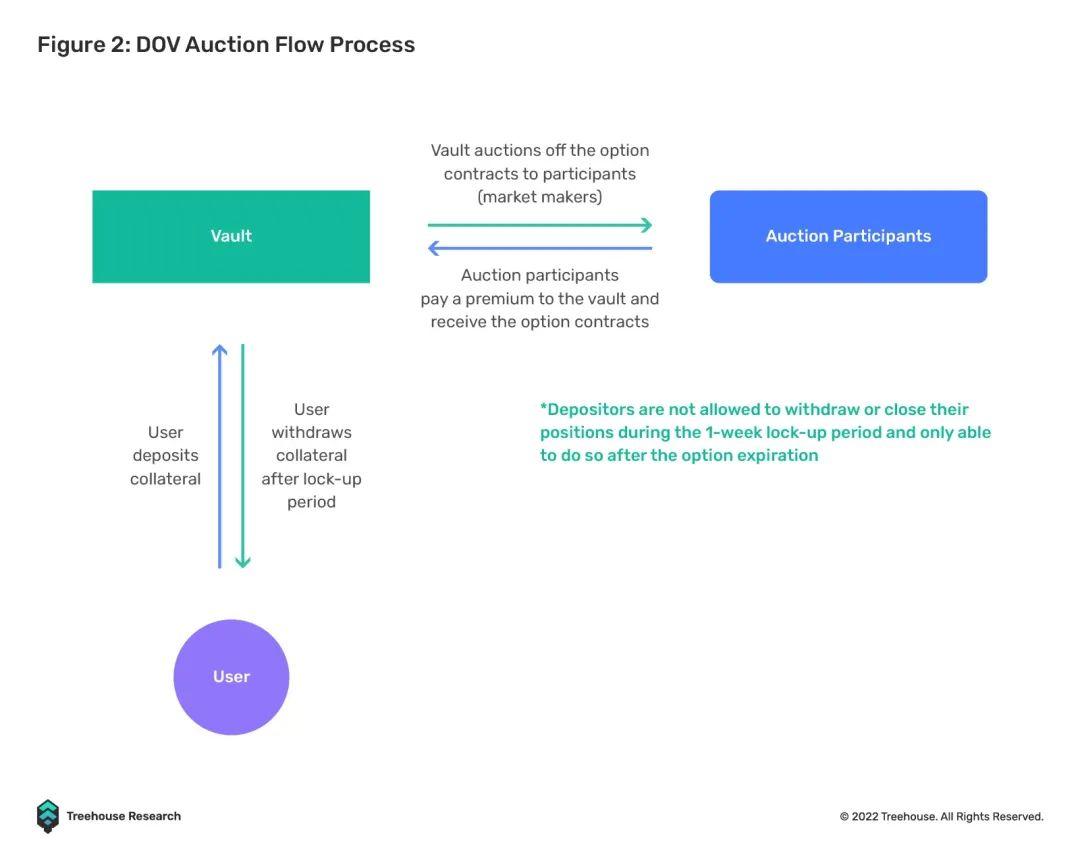
DeFi options vaults automate yield by deploying smart contracts to execute specific options strategies. Ribbon Finance defines these as automated strategies that manage the complexities of writing and managing options on-chain, removing the need for manual active management [src-serp-5]. To choose the right vault, you must align the strategy with your market outlook and risk tolerance.
Covered Call Strategy
A Covered Call vault is designed for bullish or neutral market conditions. The vault sells call options against the underlying asset it holds, generating premium income. This strategy caps your upside potential at the strike price of the sold option. If the asset price rises sharply above the strike, the vault’s tokens are sold at that fixed price, limiting further gains. However, the premium collected provides a buffer against minor price declines. This approach is suitable when you expect the asset to stay flat or rise moderately.
Cash-Secured Put Strategy
A Cash-Secured Put vault is ideal for bearish or neutral market conditions. The vault sells put options, collecting premiums while preparing to buy the underlying asset at a lower strike price if the market drops. If the price remains above the strike, the vault keeps the premium as profit. If the price falls below the strike, the vault is obligated to buy the asset at the strike price, effectively allowing you to accumulate the asset at a discount. Typus Finance notes that these vanilla options are European-style and cash-settled, meaning they can only be exercised on the expiration date [src-serp-7].
| Strategy | Market Outlook | Upside Potential | Downside Risk |
|---|---|---|---|
| Covered Call | Bullish/Neutral | Capped at strike price | Limited by premium collected |
| Cash-Secured Put | Bearish/Neutral | Limited to premium collected | Obligated to buy at strike price |
Evaluate protocol risk and TVL
Before depositing funds, you must verify the smart contract security and liquidity depth of the DeFi options vault provider. High yields often correlate with higher smart contract risk or lower liquidity, so always verify the protocol's audit status.
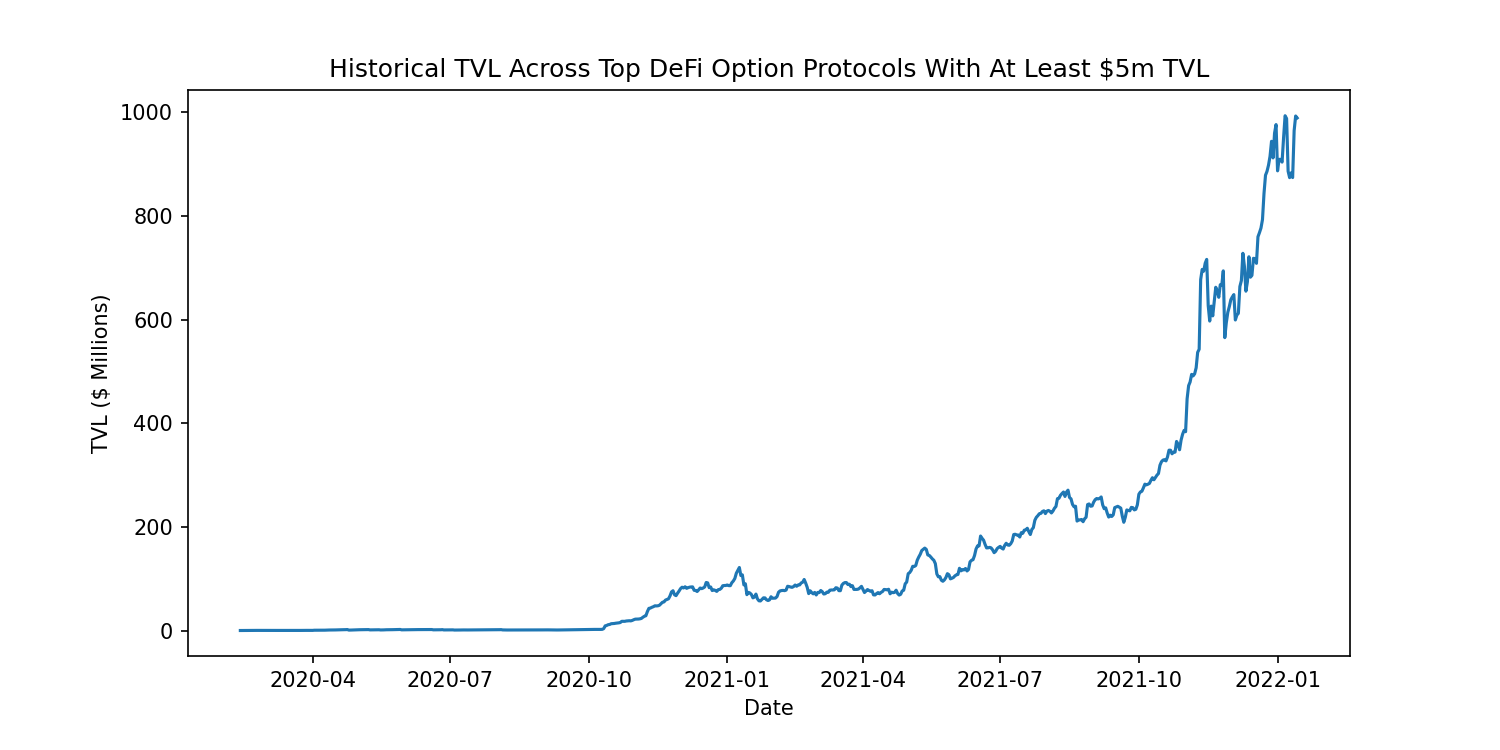
Start by checking the Total Value Locked (TVL) to gauge liquidity and market confidence. Use DefiLlama to compare options vaults across chains, filtering by TVL, fees, and revenue. A protocol with a growing TVL and consistent revenue is generally more stable than one with high yields but minimal capital. DefiLlama Options Vaults provides a comprehensive directory to rank these metrics.
Next, assess the smart contract risk. Look for recent audits from reputable firms like OpenZeppelin, Trail of Bits, or CertiK. Check if the protocol has undergone a bug bounty program or a live security review. Verify that the source code is verified on block explorers like Etherscan or Solscan. Unaudited code or missing verification is a major red flag.
Finally, review the team and governance structure. Established protocols like Ribbon Finance, which pioneered the DeFi Options Vault model, often have more transparent governance and longer track records. Check if the protocol uses multi-sig wallets for treasury management and if upgrades are controlled by a decentralized governance token. This helps ensure that no single entity can maliciously drain the vault.
By systematically checking TVL, audits, and governance, you can filter out risky protocols and choose a secure vault for automated yield.
Deposit funds into the vault
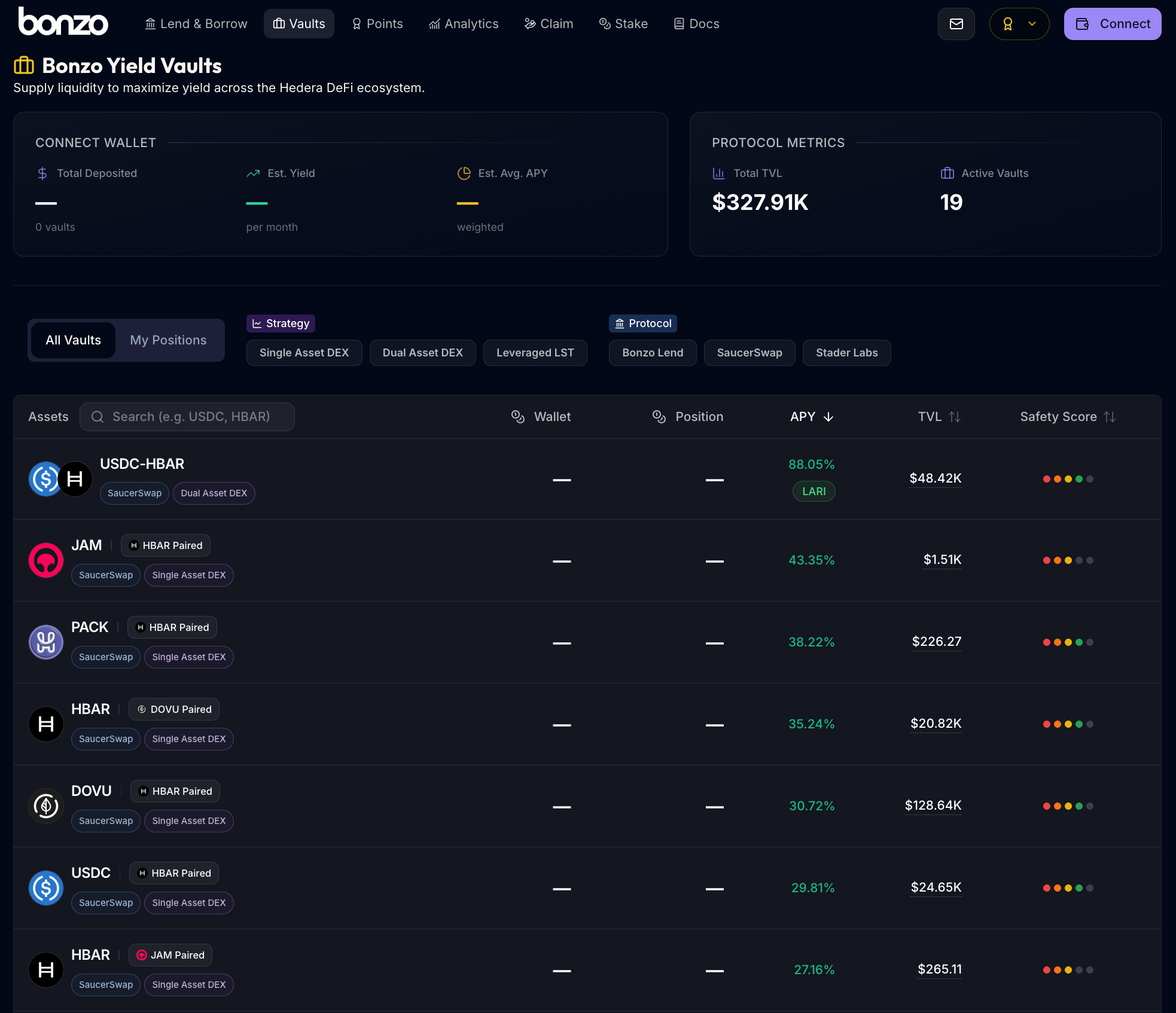
Depositing assets into a DeFi options vault is a three-step process that moves your tokens from your wallet into a smart contract. Once deposited, the vault’s automated strategy begins selling options to generate yield. The interface handles the complexity of hedging and rebalancing, but you must first approve the transaction and confirm the deposit.
1. Connect your wallet
Navigate to the vault’s dashboard and click the "Connect Wallet" button in the top-right corner. Select your preferred wallet provider, such as MetaMask or Rabby. Ensure you are on the correct blockchain network (e.g., Ethereum Mainnet or Arbitrum) that the vault supports. The interface will display your current token balances once connected.
Click "Connect Wallet" and select your provider. Verify the network matches the vault’s deployment chain.
Select the asset (e.g., ETH or USDC). Click "Approve" to allow the vault contract to spend your tokens. Wait for the blockchain confirmation.
Enter the amount to deposit. Review the share ratio and click "Deposit" to finalize the transaction.
2. Approve token spending
Before you can deposit, you must grant the vault’s smart contract permission to move your tokens. This is a standard security measure in DeFi. When you select an asset like ETH or USDC, click the "Approve" button. A transaction window will open in your wallet. Confirm the gas fee and sign the transaction. This step only needs to be done once per token type; subsequent deposits will use the existing allowance unless you reset it.
3. Confirm the deposit
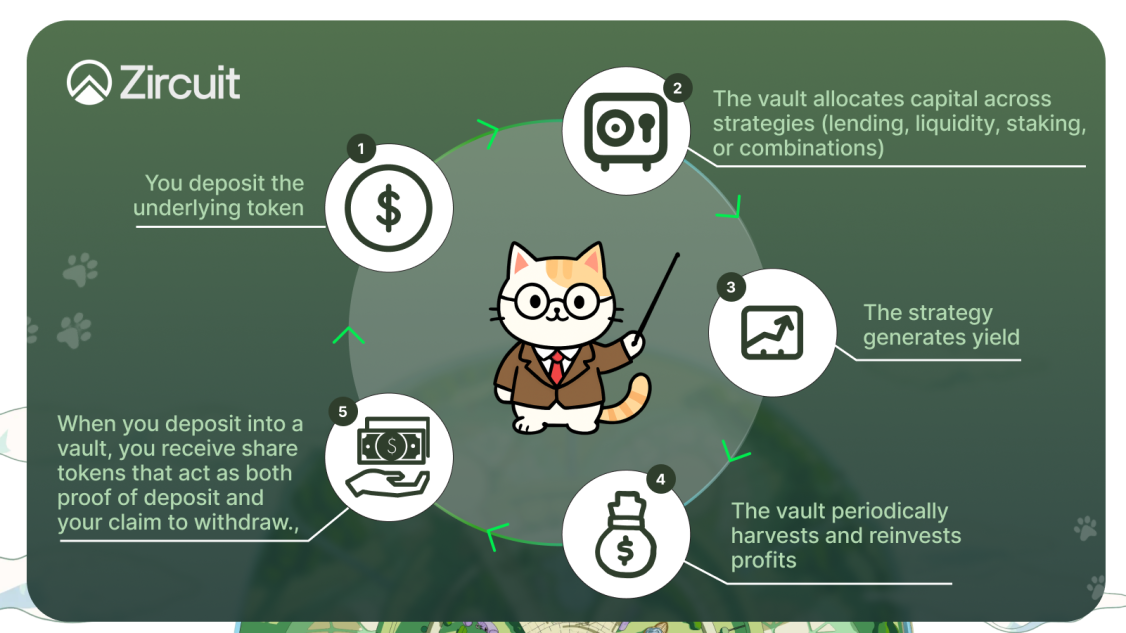
After approval, enter the amount of assets you wish to lock into the vault. The interface will show you how many vault shares (receipt tokens) you will receive in return. These shares represent your ownership in the vault and can be redeemed later for your principal plus any generated yield. Click "Deposit" to send the transaction to the blockchain. Once confirmed, your assets are actively managed by the options strategy, and you will see your balance update in the dashboard.
Note: DeFi options vaults are smart contracts that automatically execute yield strategies. Always verify the vault’s audit status and contract address before depositing significant funds.
Monitor and withdraw earnings
Tracking your DeFi options vault requires distinguishing between accrued premiums and the final principal return. Because these strategies automate complex derivatives, the payout structure often differs from simple staking rewards. You must verify the contract status before initiating any withdrawal to ensure you capture the full yield.
Check the vault interface for any distributed premiums. In many European-style vaults, premiums are settled in cash at expiration rather than distributed continuously. If the strategy uses cash settlement, your principal balance will reflect the combined value of the initial deposit and any option profits upon expiry. Ribbon Research notes that these vaults automate various options strategies, meaning the payout logic is embedded in the smart contract execution.
Confirm whether the vault has reached its expiration date or if you are manually closing a position. Typus Finance specifies that their Vanilla Options are European-style and can only be exercised on the expiration date. If you are early-exiting, check the contract’s liquidity pool or withdrawal fee schedule, as manual closures may incur slippage or penalties not present at natural expiry.
Initiate the withdrawal transaction through the vault’s interface. Ensure your wallet has sufficient gas for the transaction, especially if the underlying asset is on a high-fee network like Ethereum. Once the transaction confirms, the smart contract will transfer your principal plus any realized option gains to your connected wallet.
Before executing the withdrawal, use the following checklist to ensure a smooth process:
- Verify the position has expired or is eligible for manual closure.
- Confirm any accrued premiums have been settled into the principal.
- Ensure sufficient gas tokens are available for the withdrawal transaction.
- Double-check the withdrawal address to prevent sending funds to the wrong wallet.
Common DeFi options vault mistakes
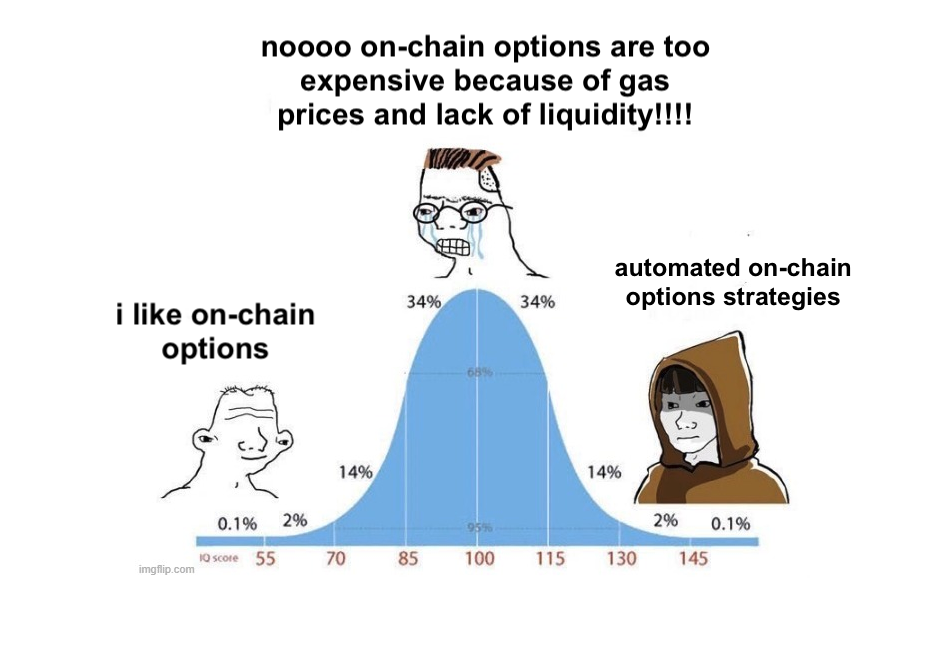
DeFi options vaults (DOVs) monetize volatility by selling option premiums, but the mechanics introduce specific risks that can erode capital faster than simple holding strategies. Understanding these pitfalls is essential before allocating funds.
Ignoring Impermanent Loss
Selling options against an underlying asset exposes your principal to significant drift. If the asset price moves sharply against your position, the premium collected may not cover the depreciation of your holdings. This is particularly acute in high-volatility markets where price swings exceed the strike price distance.
Overlooking Smart Contract Risks
As noted by Paradigm, the DOV space has seen rapid expansion since Ribbon Finance pioneered the model. This growth often outpaces security audits. Smart contract exploits remain a primary vector for total capital loss. Always verify the audit history of the vault provider and check for any known vulnerabilities or past incidents before depositing.
Falling into Liquidity Traps
Many vaults promise high yields but suffer from low liquidity, making it difficult to exit positions during market stress. Ensure the vault has sufficient depth to handle redemptions without significant slippage. Check the total value locked (TVL) and historical withdrawal times to gauge accessibility.
"DOVs effectively monetise the high volatility of the underlying asset and inject this yield into Defi through the payment of option premiums." — QCP Capital
Always treat yield as a reward for risk, not a guarantee. Conduct your own due diligence on the specific vault mechanics, underlying assets, and contract security before committing capital.
Frequently asked questions about DeFi options vaults
DeFi options vaults (DOVs) automate yield by staking assets in smart contracts that execute predefined strategies without manual intervention src-serp-6. Because these platforms simplify complex option strategies, users often have specific questions about liquidity, taxes, and platform mechanics.
No comments yet. Be the first to share your thoughts!