
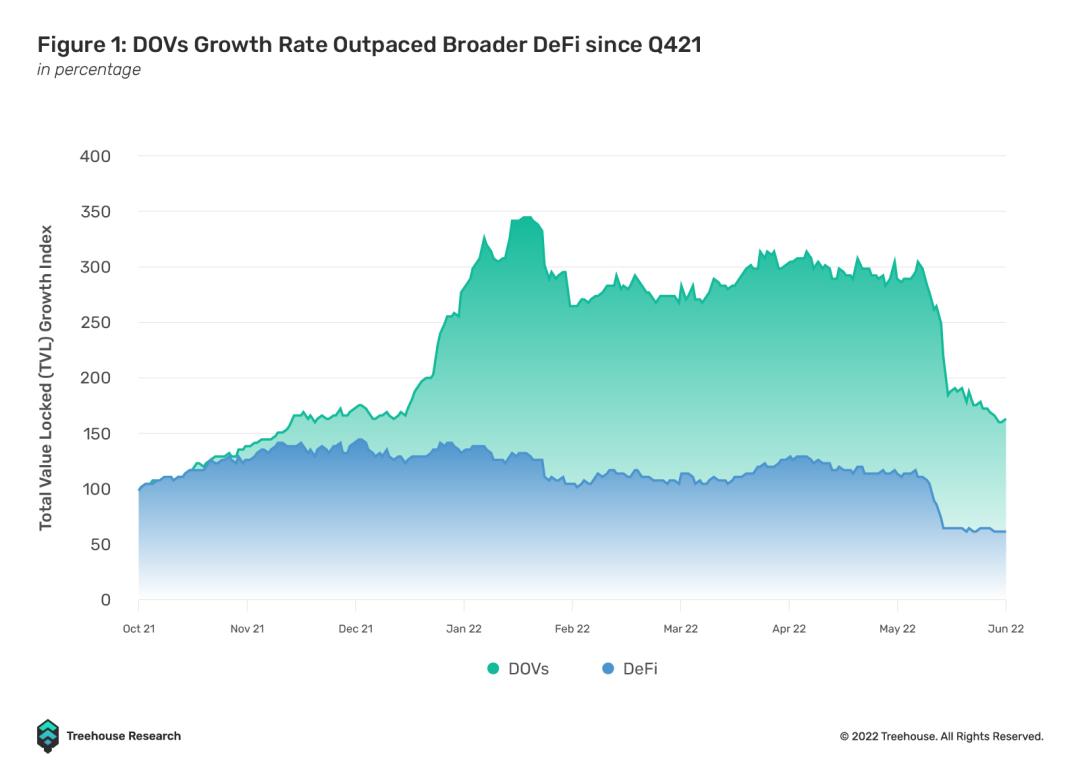
How DeFi Options Vaults Work
DeFi options vaults function as automated market makers for structured yield. Instead of passively lending assets or providing liquidity in volatile pairs, these vaults deploy capital into specific options strategies. Investors stake their underlying assets—such as ETH or stablecoins—into a smart contract that automatically sells calls or puts against that collateral. This mechanism transforms idle holdings into premium-generating instruments, distinct from simple lending yields.
The core advantage lies in the systematic extraction of time value and volatility. By continuously selling options, vaults capture the premium decay as expiration approaches. This process requires precise execution to manage the risk of adverse price movements. Protocols like Ribbon Finance have built infrastructure to handle these complex settlements onchain, allowing users to gain exposure to structured financial instruments without manually managing strike prices or expiration dates.
In 2026, the integration of AI has refined this mechanical edge. Algorithms now analyze real-time volatility surfaces to adjust strike selection and position sizing dynamically. This allows vaults to maintain institutional-grade risk management while operating autonomously. The result is a yield source that correlates less with directional beta and more with the consistent collection of option premiums, provided the underlying asset remains within targeted bounds.
AI automates premium collection
The transition from manual options management to AI-driven execution represents a fundamental shift in how DeFi vaults capture yield. In 2026, the era of static strike selection is ending. Algorithms now process market data in real-time, dynamically adjusting positions to optimize risk-adjusted returns without human intervention. This automation eliminates the latency and emotional bias that often plague manual trading strategies.
AI models analyze the volatility surface continuously, identifying mispriced options and executing trades at the optimal moment. This capability is critical for options vaults, which rely on consistent premium collection to generate yield. By processing vast datasets instantly, these systems can adjust to market shifts faster than any human trader, ensuring that the vault remains hedged against adverse price movements.
The infrastructure supporting this shift has matured significantly. Options vaults are now executed through Request for Quotation (RFQ) systems, where market makers process data in the background while AI agents handle the strategic allocation. This separation of duties allows for institutional-grade analysis at the retail scale, making sophisticated options strategies accessible through automated vaults.
Technical analysis remains a core component of this AI-driven approach. While algorithms handle the heavy lifting of premium collection, traders and investors can monitor underlying asset performance using live market data.
RWA collateral stabilizes vault exposure
Integrating Real-World Assets (RWAs) into DeFi options vaults fundamentally alters the risk profile by decoupling yield generation from pure crypto volatility. Historically, these vaults relied on volatile digital assets as collateral, exposing institutional capital to sudden market swings that could trigger liquidations regardless of the underlying options strategy’s performance. By introducing tokenized real-world assets—such as private credit or tokenized treasuries—vaults create a stabilizing buffer that absorbs market shocks.
This shift aligns DeFi infrastructure with traditional finance standards. As noted in recent market analysis, DeFi vaults are quietly blurring the line between TradFi and decentralized finance, allowing institutions to earn yields on stablecoins without managing crypto directly. The inclusion of RWAs provides a more predictable cash flow stream, reducing the reliance on speculative premium decay alone. This mechanical benefit is critical for high-stakes capital preservation, where consistency matters more than asymmetric upside.
The integration of RWAs also enhances the vault’s ability to meet institutional compliance and auditing standards. Tokenized assets often come with transparent on-chain records and legal wrappers that mirror traditional custodial structures. This transparency reduces counterparty risk and provides auditors with clearer visibility into collateral quality. For options vaults, this means that the collateral backing the short options positions is less likely to suffer from the liquidity crunches that frequently plague pure crypto markets.
While the yield from RWAs may be lower than high-risk crypto strategies, the stability it provides allows for more aggressive options positioning elsewhere in the portfolio. The vault can use the steady RWA yield to cover theta decay or provide a safety net against adverse price movements. This hybrid approach—combining the stability of RWAs with the leverage of options—creates a more robust framework for institutional participation in decentralized finance.
Leading DeFi Options Vaults
Automated options strategies in 2026 rely on institutional-grade infrastructure to manage complex risk profiles. These vaults abstract the cognitive load of onchain yield generation, allowing capital to deploy into structured financial instruments with precision. The following platforms represent the current standard for automated options management, distinguished by their specific AI pricing models and real-world asset collateral integration.
Ribbon Finance
Ribbon Finance operates as the foundational infrastructure for onchain structured products, enabling exposure to complex derivatives without manual execution. Its vaults utilize sophisticated AI models to dynamically adjust delta hedging strategies, ensuring that yield generation remains robust even during periods of high volatility. By integrating RWA collateral, Ribbon allows users to back options positions with stable, real-world assets, reducing reliance on volatile crypto-native liquidity. This approach provides a layer of institutional stability, making it a primary choice for risk-averse capital seeking predictable returns.
Lyra
Lyra focuses on decentralized perpetuals and options, leveraging machine learning algorithms to optimize pricing accuracy and liquidity provision. Its AI models analyze market microstructure in real-time, adjusting strike prices and premium rates to reflect true underlying asset risk. This mechanical precision minimizes slippage and ensures that options contracts remain fair and efficient for both buyers and sellers. Lyra’s integration with RWA collateral pools further enhances its appeal, allowing traders to hedge positions using assets with lower correlation to traditional crypto markets.
Hegic
Hegic offers a streamlined platform for buying and selling options, with a focus on simplicity and accessibility for retail and institutional participants alike. Its AI-driven risk management system monitors open positions and automatically rebalances collateral to maintain solvency during market stress. By supporting RWA collateral, Hegic expands the utility of its vaults beyond pure crypto speculation, enabling yield generation from stable, income-producing assets. This dual approach of AI optimization and RWA integration positions Hegic as a versatile tool for diversified portfolio management.
Comparison of Options Vaults
The table below compares key metrics across leading platforms, highlighting differences in yield potential, asset types, and AI strategy implementation.
| Protocol | AI Strategy Type | RWA Integration | APY Range |
|---|---|---|---|
| Ribbon Finance | Dynamic Delta Hedging | Supported | 8-15% |
| Lyra | Real-time Pricing Models | Supported | 10-20% |
| Hegic | Automated Risk Rebalancing | Supported | 6-12% |
Risks in high-stakes options vaults
DeFi options vaults promise institutional-grade yield, but the mechanics of selling options introduce specific, non-traditional risks. Unlike simple lending protocols, these vaults are exposed to the volatility of the underlying asset and the complexity of the derivatives layer. Understanding these vulnerabilities is essential for capital preservation.
Smart contract vulnerability
The code governing vault logic and option pricing models is the first line of defense. Any unpatched bug or reentrancy vulnerability can lead to total loss of collateral. Because these vaults interact with multiple protocols—lending markets, option exchanges, and AI oracles—the attack surface is significantly larger than in single-protocol yield farms. Audits are necessary but not sufficient; the complexity of automated market-making and settlement layers requires continuous monitoring.
Impermanent loss from option assignment
When you sell options, you are often obligated to buy or sell the underlying asset at a fixed price. If the market moves sharply against your position, the vault may be forced to assign options, locking in losses or holding depreciated assets. This is distinct from standard impermanent loss in liquidity pools; here, the loss is realized through the mechanics of option settlement, potentially leaving the vault with illiquid or devalued collateral that cannot be easily unwound without further slippage.
AI model failure during black swan events
AI-driven pricing models rely on historical data and pattern recognition. In a black swan event—such as a sudden exchange collapse or a regulatory crackdown—historical patterns break down. An AI model may fail to price the extreme tail risk correctly, leading to underpriced options and catastrophic losses for the vault. This is not a bug; it is a fundamental limitation of data-driven forecasting in non-stationary markets. Institutional risk management requires stress-testing these models against scenarios that have never occurred, not just those in the training set.
-
Verify smart contract audit status from a reputable firm
-
Check insurance coverage for protocol-specific risks
-
Set maximum drawdown limits to prevent total loss
Frequently asked questions about DeFi options
How do AI models adjust strike prices in volatile markets?
AI models analyze real-time volatility surfaces to identify mispriced options and adjust strike selection dynamically. Unlike static strategies, these algorithms process vast datasets instantly to optimize risk-adjusted returns, ensuring the vault remains hedged against adverse price movements without human intervention.
What role do Real-World Assets play in vault stability?
Integrating tokenized real-world assets, such as private credit or treasuries, creates a stabilizing buffer that absorbs market shocks. This decouples yield generation from pure crypto volatility, providing a predictable cash flow stream that reduces reliance on speculative premium decay and enhances institutional compliance.
Why are AI-driven vaults preferred over manual options trading?
AI-driven execution eliminates the latency and emotional bias inherent in manual trading. By automating premium collection and delta hedging, vaults capture fleeting arbitrage opportunities and maintain precise risk management at a scale and speed impossible for individual traders.
No comments yet. Be the first to share your thoughts!