
What DeFi options vaults actually do
Yields on traditional lending platforms have flattened, leaving capital idle or underperforming. DeFi options vaults 2026 strategies address this by automating the sale of options against deposited assets. Instead of manually executing trades, users deposit tokens into a smart contract that systematically writes call or put options. The premium collected from these sales is distributed back to depositors, creating a passive income stream from existing holdings.
Think of this process like renting out a spare room in your house. You own the asset, but by allowing someone else to use it under specific conditions (the option strike price), you earn rent (the premium) regardless of whether they actually exercise the option. In the DeFi context, the "tenant" is the market, and the "landlord" is the vault's automated logic.
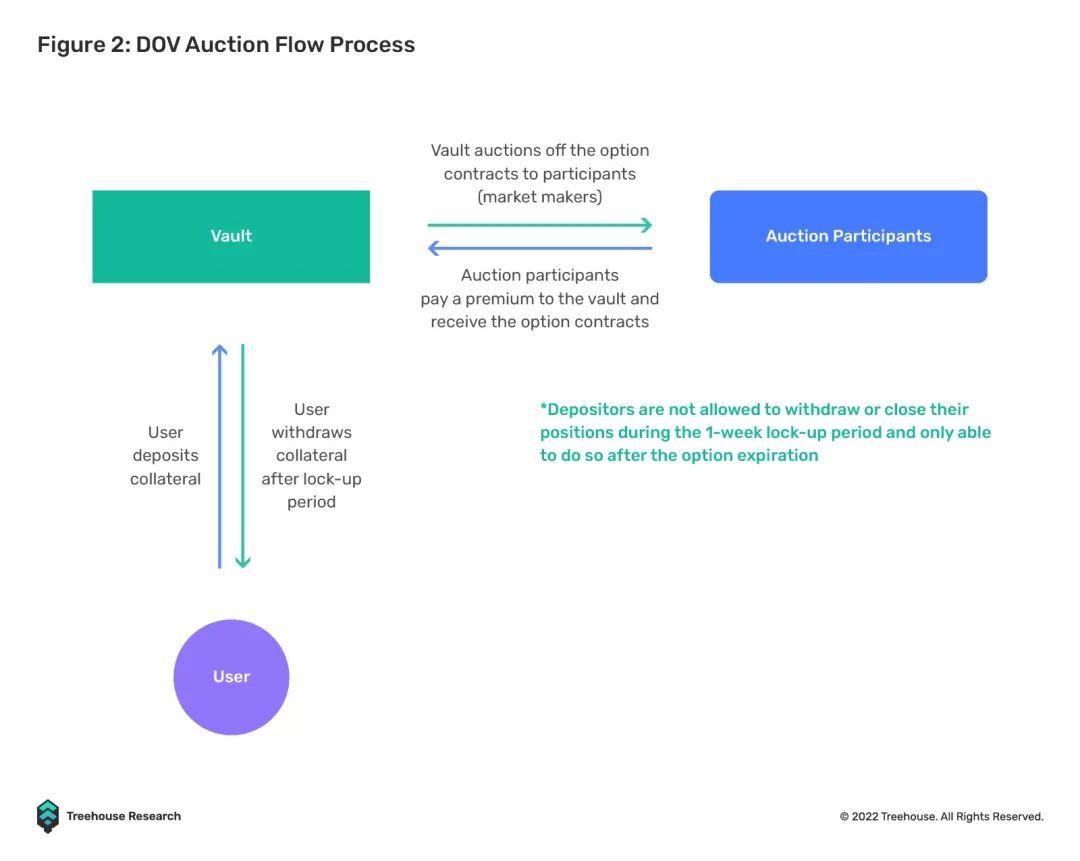
This automation removes the need for constant market monitoring or complex trading knowledge. The vault handles the execution, timing, and settlement of the options contracts. As a result, users can earn yield on volatile assets like ETH or stablecoins without becoming professional traders. The core mechanic remains simple: deposit assets, let the contract sell options, and receive the premiums generated from those sales.
Top DeFi options vault protocols to watch
When lending yields stagnate, traders turn to DeFi options vaults 2026 as a way to generate consistent income through automated strategies. These protocols pool capital to sell options, capturing premiums that traditional lending cannot match. However, the landscape is fragmented, with each vault employing distinct risk profiles and underlying asset focuses.
The following comparison highlights the leading protocols shaping the current market. Each entry represents a different approach to balancing yield generation against market exposure.
| Protocol | Primary Asset | Core Strategy | Max APY |
|---|---|---|---|
| OptionsDAO | ETH | Covered Calls | 12-18% |
| Gamma | USDC | Cash-Secured Puts | 8-15% |
| Thetanuts | BTC | Iron Condors | 10-20% |
| Lyra | ETH/USDC | Volatility Selling | 15-25% |
OptionsDAO focuses primarily on Ethereum, utilizing covered call strategies to generate yield from ETH appreciation and volatility. This approach is straightforward but exposes users to upside cap during strong bull markets.
Gamma specializes in USDC-based cash-secured puts. By selling puts against stablecoins, the vault aims to buy ETH at a discount or keep the premium if the price remains stable, offering a defensive play for conservative investors.
Thetanuts targets Bitcoin with iron condor strategies. This neutral approach profits from low volatility, collecting premiums from both sides of the market when BTC price action is range-bound.
Lyra offers a more complex volatility-selling model across ETH and USDC pairs. It allows for customizable strike prices, catering to traders who want to fine-tune their risk-reward ratio beyond standard vault settings.
Choosing the right protocol depends on your risk tolerance and market outlook. While options vaults 2026 offer higher yields than lending, they introduce smart contract and market risks that require careful due diligence.
Setting up your first options vault
Lending stablecoins often yields single-digit percentages, a return that barely covers inflation. DeFi options vaults 2026 offer a structural fix: they sell volatility to capture premiums that traditional lending cannot match. While the mechanics involve selling calls or puts, the user experience is designed to be as simple as depositing funds into a yield-bearing account.
The process follows a linear path. You connect your wallet, choose a strategy that matches your risk tolerance, approve the token spend, and deposit your collateral. The interface handles the complex hedging and strike selection behind the scenes.
Navigate to the vault platform’s dashboard. Click the "Connect Wallet" button, usually located in the top-right corner. Select your preferred provider, such as MetaMask or Rabby. Ensure you are on the correct network (e.g., Ethereum Mainnet or Arbitrum) before proceeding, as most vaults operate on Layer 2 solutions to minimize gas fees.
Browse the available vaults. Each one displays its current strategy (e.g., "Covered Call" or "Cash-Secured Put"), the underlying asset (ETH, USDC), and the projected annual percentage yield (APY). Read the risk disclosure. Some vaults are aggressive, selling out-of-the-money options for higher yields, while others are conservative, focusing on capital preservation.
Before depositing, the smart contract needs permission to move your tokens. Click "Approve" on the token you intend to deposit. A transaction will pop up in your wallet. Confirm the gas fee and sign. This is a one-time action per token per vault, though some platforms batch approvals for efficiency.
Enter the amount of collateral you wish to deploy. The interface will show you the estimated yield and the expiration date of the first options cycle. Review the details and click "Deposit." Your funds are now locked in the vault, and the protocol begins selling options on your behalf immediately.
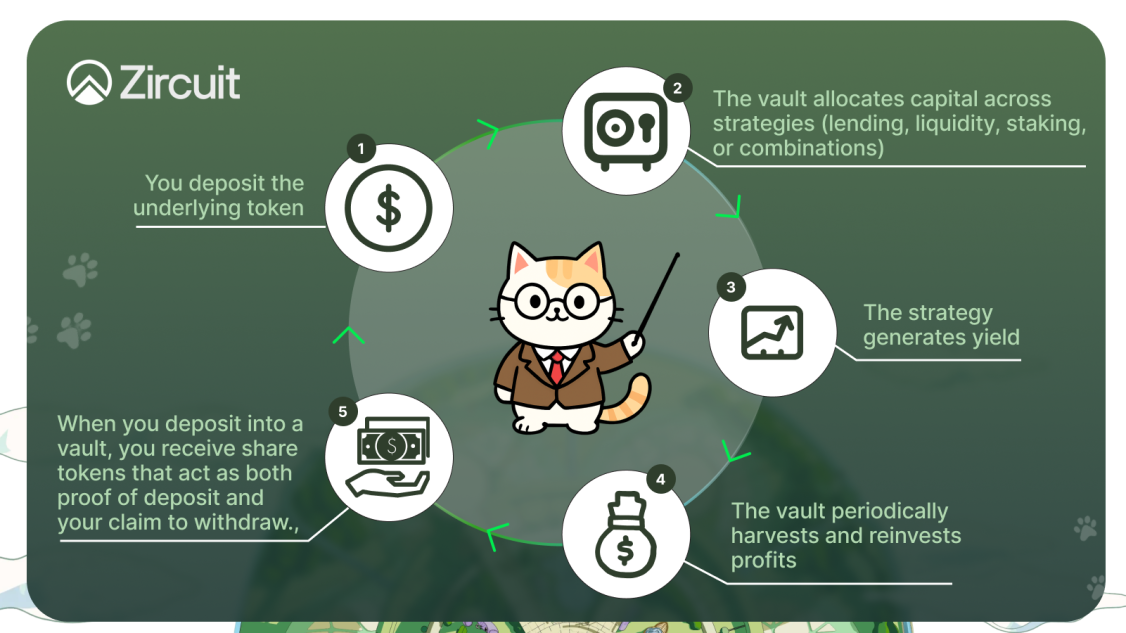
Once deposited, you will receive vault tokens (vTokens) in your wallet. These represent your share of the pool. You can monitor your accrued premiums and principal value directly on the dashboard. The platform automatically compounds returns by reinvesting collected premiums into new options contracts, maximizing your yield without manual intervention.
Why DeFi options vaults 2026 strategies can underperform
The appeal of DeFi options vaults 2026 lies in their ability to generate consistent yields where traditional lending offers little. By selling options, vaults collect premiums that often outpace simple staking rewards. However, this income comes with a hidden cost: you are trading away potential upside or taking on directional risk. Understanding these downsides is essential before committing capital.
The capped upside problem
When a vault sells call options, it agrees to sell your underlying assets at a specific strike price. If the market rallies sharply, your profits are capped at that strike. You collect the premium, but you miss out on the explosive growth that often defines bull markets. For example, if you hold ETH and sell calls at $4,000, you keep the premium even if ETH hits $10,000, but you do not benefit from the price increase above $4,000.
This trade-off is deliberate. The premium income compensates for the lost upside, but it can feel like a missed opportunity during strong rallies. It is important to recognize that these strategies prioritize steady income over capital appreciation.
The downside risk of put options
Selling put options is another common strategy in these vaults. Here, you agree to buy the underlying asset at a strike price if the market falls. If the price crashes below the strike, you are forced to buy at the higher strike price, effectively holding a depreciating asset. You collect the premium, but the loss in asset value can far exceed the income generated.
This scenario is particularly dangerous in bear markets. While the premium provides a small buffer, it rarely covers significant drawdowns. The vault’s automated nature means you are continuously exposed to this risk unless you actively manage the position, which defeats the purpose of a passive strategy.
Impermanent loss and volatility
Options vaults are also susceptible to impermanent loss, especially in volatile markets. The constant rebalancing and selling of assets can lead to a divergence between your portfolio’s value and simply holding the assets. This effect is magnified when prices swing wildly, as the vault may sell assets too early or buy them back too late.
To mitigate these risks, some vaults use dynamic strike selection or hedge their positions. However, these adjustments often come with higher fees or reduced yields. Always review the vault’s specific strategy and historical performance to understand how it handles these scenarios.
Checklist for safe vault participation
Lending yields have compressed, pushing capital toward DeFi options vaults 2026 strategies that sell volatility for premium income. Before locking funds, treat every vault like a blind box: the strategy logic is only as safe as its audit trail and liquidity depth.
- Audit status: Verify the smart contracts have passed third-party security reviews. Unaudited code is a direct path to total loss.
- TVL and liquidity: Check total value locked. Low TVL often signals higher risk or poor market confidence.
- Strike prices: Understand the strike prices being sold. Out-of-the-money strikes generally offer lower risk but lower premiums.
- Liquidity depth: Assess the underlying asset's liquidity. Thin markets can lead to slippage and failed exits during volatility spikes.
DeFi vaults simplify options strategies, but they do not eliminate risk. Always verify the strategy logic balances fee income with price variation drift before depositing.
Common questions about DeFi options vaults 2026
Quick checklist
-
Match the sizeMake sure the DeFi options vaults 2026 option fits your household, storage space, and normal batch size.
-
Check the materialChoose a material that handles heat, washing, and regular use without becoming a chore.
-
Plan the cleanupAvoid anything that needs more maintenance than you are likely to give it.
-
Keep one fallbackHave a simple backup option for rushed days.
No comments yet. Be the first to share your thoughts!