
How DeFi options vaults work
DeFi options vaults (DOVs) are automated protocols that pool user capital to execute options strategies. Instead of manually buying puts or selling calls, you deposit assets into a smart contract that handles the entire lifecycle of the trade. This infrastructure turns complex derivatives into a set-and-forget yield source.
The process follows a strict sequence. First, you deposit your underlying asset, such as ETH or USDC, into the vault contract. The vault then routes these funds to an options protocol to sell premiums or buy protection. When the options expire or are closed, the resulting profits and returned principal are distributed back to you, minus the vault’s performance fee.
This structure differs fundamentally from traditional staking. Staking typically involves locking assets to secure a network or providing liquidity in a single pair, earning rewards from transaction fees or inflation. Options vaults, however, generate yield from the volatility of the market itself. The vault manager’s strategy profits when assets move in specific ways, making the return profile distinct from passive staking rewards.
Transparency is the core advantage of this onchain model. Unlike traditional investment funds where managers make decisions behind closed doors, DOVs encode their entire strategy into public smart contracts. Every allocation, rebalancing action, and fee is visible onchain, allowing you to audit the strategy in real time.

Choose the right protocol for your risk
Selecting a DeFi options vault requires matching your risk tolerance to the protocol’s underlying strategy. Most vaults generate yield by selling vanilla call and put options, a strategy that offers steady premiums but exposes capital to market volatility. Professional market makers often run these operations, yet the risk profile varies significantly depending on the asset support and drawdown limits of each platform.
To simplify the selection process, compare the top DeFi options protocols side-by-side. This table highlights the trade-offs between yield potential and maximum drawdown risk for the leading 2026 options vaults.
| Protocol | Est. APY | Max Drawdown Risk | Underlying Assets |
|---|---|---|---|
| Opyn | 6-12% | Medium | ETH, WBTC |
| Hegic | 8-15% | High | ETH |
| Swell | 5-10% | Low-Medium | ETH, Layer 2s |
| Lyra | 10-20% | Medium-High | ETH, Solana |
When evaluating these options, prioritize protocols that offer transparent smart contract audits and clear fee structures. Vaults that encode their entire strategy into onchain logic provide unprecedented transparency, allowing you to verify every allocation and rebalancing action. Avoid platforms that obscure their risk management mechanisms or lack clear documentation on how premiums are collected and distributed.
For those seeking a more passive approach, consider vaults that aggregate liquidity across multiple protocols. This strategy can smooth out volatility and provide more consistent returns, though it may come with slightly lower peak yields. Always verify the protocol’s historical performance and community trust before deploying capital.


As an Amazon Associate, we may earn from qualifying purchases.
Fund and configure your vault position
Depositing capital into a DeFi options vault transforms your idle assets into active yield generators. Unlike staking simple tokens, options vaults require you to select a specific strategy and collateral type before funding. This section walks you through the exact steps to connect your wallet, choose a vault, and lock in your position.

Navigate to the vault protocol’s dashboard and click the "Connect Wallet" button. Ensure you are on the correct network (e.g., Ethereum, Arbitrum, or Optimism) that the vault supports. Most modern vaults support MetaMask, Rabby, or WalletConnect. Verify the contract address matches the official source to avoid phishing sites.
Browse the available vaults and filter by risk profile. Common strategies include Covered Call (income generation with capped upside) or Cash-Secured Put (acquiring assets at a discount). Review the historical performance, maximum drawdown, and current volatility metrics. Choose the vault that aligns with your market outlook and risk tolerance.
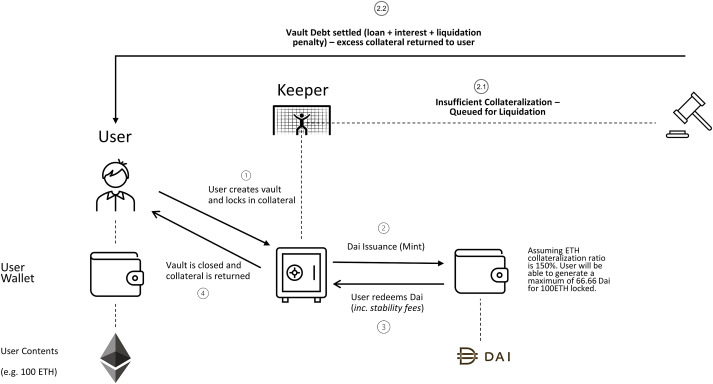
Enter the amount of assets you wish to deposit. The vault will typically accept stablecoins (USDC, DAI) for put strategies or underlying tokens (ETH, WBTC) for call strategies. Check the minimum deposit requirement and any associated gas fees. Approve the token spend if this is your first interaction with this specific vault contract.
Review the transaction details in your wallet and confirm the deposit. Once the transaction is confirmed on-chain, your assets are locked into the vault’s smart contract. You will receive vault tokens (vTokens) representing your share. Monitor your position via the dashboard to track yield accrual and strategy performance. You can withdraw your share at any time, subject to the vault’s liquidity and any early withdrawal penalties.
Monitor performance and rebalance
Tracking the health of your DeFi options vault requires distinguishing between passive automation and active oversight. While vault infrastructure abstracts away complexity, allowing capital to move to productive areas without manual intervention, the underlying strategy still needs a pulse check. You are not managing individual trades; you are managing the integrity of the smart contract’s execution parameters.
Start by verifying that the vault is collecting premium as expected. If the yield drops below the historical average for that specific strategy, investigate whether volatility has collapsed or if the smart contract has encountered a bug. Simultaneously, monitor collateral value to ensure your principal is not being eroded by adverse price movements or excessive slippage during rebalancing.
Verify that the vault’s reported yield matches the expected premium income from sold options. A sudden drop in yield often signals that market volatility has decreased, reducing the price of the options you are selling. If the drop is persistent, the strategy may be underperforming relative to the risk taken.
Keep a close eye on the collateral ratio. Even with automated rebalancing, extreme market moves can temporarily expose your principal. If the collateral value drops significantly, the vault may need to liquidate positions to maintain solvency, which can lock in losses.
Compare the current implied volatility index against the strategy’s optimal range. If volatility is too high, your short options may be at risk of being exercised against you. If it is too low, premium collection will be thin. Adjust your exposure or withdraw capital if the market regime no longer supports the vault’s core thesis.
DeFi options vaults encode their entire strategy into transparent, auditable smart contracts. Every allocation, rebalancing action, and fee is visible onchain. This transparency allows you to verify that the automation is working as intended without needing to trust a central manager. Use this visibility to make informed decisions about whether to hold, rebalance manually, or withdraw.
Avoid common DeFi options pitfalls
Deploying capital into DeFi options vaults requires more than just chasing premium yields. The architecture of these protocols introduces specific structural risks that can erode returns or lock funds entirely. Understanding these mechanics is the only way to prevent catastrophic user error.
The most immediate threat is smart contract vulnerability. Since vaults execute complex derivative strategies via code, a single bug can lead to total insolvency. Always verify the audit status of the vault contract before depositing significant capital. Reputable firms like Paradigm have documented how un-audited or poorly structured auctions can fail during high volatility, leaving retail users exposed to liquidation cascades.
Liquidity crunches are the second major failure point. While selling options generates consistent premiums, it often requires holding volatile collateral. If the underlying asset crashes, the vault may face a margin call it cannot meet without selling at a loss. This "Friday Problem," as described in industry analysis, occurs when weekend illiquidity prevents timely rebalancing, turning a temporary dip into a permanent loss.
Over-leverage is the final trap. Many vaults use leverage to amplify yields, but this creates a death spiral if the market moves against the position. Unlike traditional finance, where circuit breakers can halt trading, DeFi transactions are atomic and irreversible. A single large sell-off can drain the vault’s liquidity pool, leaving remaining depositors with worthless tokens.
Check the vault’s GitHub and audit reports from firms like OpenZeppelin or Trail of Bits. Look for recent reviews, not just initial launches.
Review the vault’s historical liquidity during market stress. Ensure it can handle large redemptions without slippage.
Avoid vaults using excessive leverage. Stick to those with transparent, conservative risk parameters that prioritize capital preservation.
No comments yet. Be the first to share your thoughts!