
Choose the right vault strategy
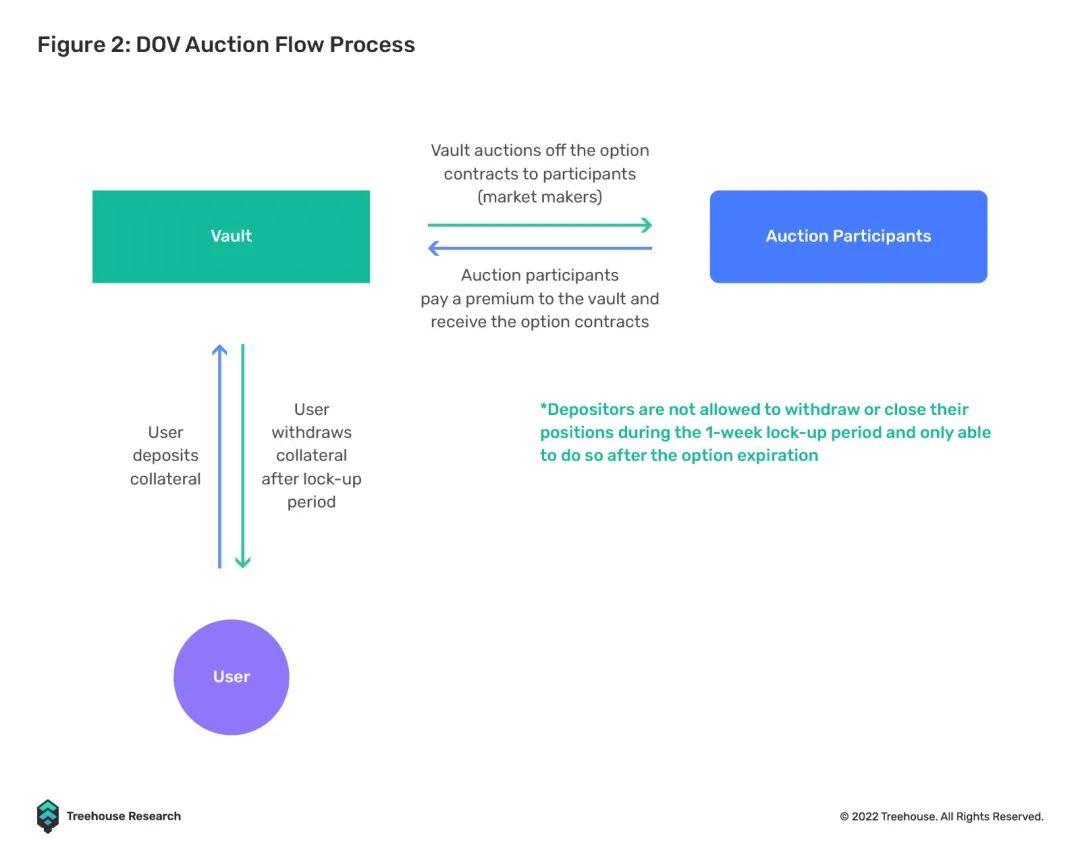
DeFi Options Vaults (DOVs) simplify options trading by letting you stake assets in a vault to earn premiums from option sales. However, not all vaults are created equal. Before committing capital, you must align your choice with your market view and risk tolerance. The three primary strategies are covered calls, put selling, and delta-neutral approaches.
To compare these strategies, consider the table below:
| Strategy | Market View | Risk Profile | Yield Potential |
|---|---|---|---|
| Covered Call | Bullish or Neutral | Moderate | Medium |
| Put Selling | Bullish or Neutral | High | High |
| Delta-Neutral | Range-Bound | Low | Low |
Covered calls involve selling call options against your holdings. This strategy works best when you expect the asset price to remain stable or rise slightly. You collect the premium, but your upside is capped at the strike price. If the price surges, you miss out on gains beyond that level.
Put selling involves selling put options. This is more aggressive. You profit if the price stays above the strike price. However, if the market crashes, you are obligated to buy the asset at the strike price, which can lead to significant losses if the price falls sharply. This strategy offers higher yield but carries substantial downside risk.
Delta-neutral strategies aim to profit from volatility rather than direction. They involve balancing long and short positions to remain insensitive to small price movements. This approach is suitable for range-bound markets but typically offers lower yields. It requires more complex management to maintain the neutral delta.
Before choosing, use this checklist to ensure you understand the strategy:
-
Confirm your market outlook (bullish, bearish, or neutral)
-
Assess your risk tolerance (can you handle a 20% drop?)
-
Check the vault's historical performance and fees
-
Verify the asset's liquidity and volatility
-
Understand the smart contract risks and audit status
DOVs effectively monetize the high volatility of the asset and inject this yield into DeFi through the payment of option premiums (QCP Capital). By selecting the right strategy, you can align your yield generation with your risk appetite. Always start with a small position to test the vault's performance before scaling up.
Verify protocol security and audits
Before depositing funds into any DeFi options vault, you must verify the underlying smart contract security. High yields in automated options strategies often mask significant smart contract risk. A single vulnerability in the vault’s code can result in total loss of capital, regardless of how profitable the options strategy appears on paper.
Start by checking for independent security audits from reputable firms. Look for reports that detail the scope of testing and, crucially, the status of any identified vulnerabilities. An audit is not a guarantee of safety, but it is a baseline requirement. Prioritize protocols that have undergone multiple audits over time and have a public bug bounty program.
Next, examine the protocol’s governance structure and access controls. Understand who holds administrative keys and how upgrades to the smart contract are proposed and approved. Protocols with multi-signature wallets and timelocks offer an additional layer of protection against malicious actors or developer error.
Finally, review the protocol’s track record and community sentiment. Look for transparency in reporting and responsiveness to security incidents. Protocols that communicate openly about their security posture and past incidents are generally more trustworthy than those that operate in secrecy.
Connect wallet and deposit collateral
Before you can earn yield from an options vault, you must link your crypto wallet and fund the strategy. This process involves connecting your account, approving the vault to spend your assets, and depositing the underlying collateral. Follow these steps to set up your position.
Navigate to the options vault interface and click the "Connect Wallet" button. Choose your preferred wallet provider, such as MetaMask, Rabby, or WalletConnect. Ensure you are on the correct network (e.g., Ethereum, Arbitrum, or Optimism) that the vault supports. A failed connection usually stems from being on the wrong chain or having an unsupported wallet extension.
Once connected, the vault needs permission to move your assets. If you are depositing an ERC-20 token like USDC or ETH, you will see an "Approve" transaction in your wallet. This is a one-time onchain action that allows the smart contract to access your funds. You can choose to approve a specific amount or the maximum unlimited amount, though limiting the spend is a safer security practice for large holdings.
After approval, enter the amount of collateral you wish to deposit into the vault. Review the vault's current metrics, such as the target yield and the specific options strategy being deployed (e.g., covered calls or cash-secured puts). Confirm the transaction in your wallet. Once the block confirms, your assets are locked in the vault, and the strategy begins executing automatically.
Monitor positions and rebalance
Tracking your DeFi options vault requires a different rhythm than holding spot assets. You are managing a time-decaying derivative, not just a coin balance. The goal is to capture premium while ensuring your underlying exposure stays within your risk parameters.
Check premium collection and PnL
Most vaults operate on a cycle. You need to verify that premiums are being collected as expected and that the strategy’s PnL aligns with market conditions. For European-style options, such as those on Typus Finance, the option can only be exercised on the expiration date [[src-serp-7]]. This means your exposure is locked until that specific date, making daily monitoring of the asset’s price critical.
Use a technical chart to visualize the current price against your strike price. If the asset moves sharply against your position, the premium collected may no longer be sufficient to cover potential losses. This is where you decide whether to hold or exit.
Manage expiration or early exit
As expiration approaches, the decision becomes binary. If the option expires worthless, you keep the premium and the principal. If it is in the money, you may be assigned the underlying asset or cash-settled, depending on the protocol. Some vaults, like Harmonix Finance, automate these hedge-fund-style strategies to handle the wheel or delta-neutral positions on-chain [[src-serp-8]].
If you are managing the position manually, set a calendar alert for expiration. Do not wait until the last block. Early exit is possible if the protocol allows it, but be aware of the liquidity fees. Rebalancing often means closing the current position and opening a new one with updated strikes or expirations. This resets your premium income clock but incurs transaction costs.
Rebalance when volatility shifts
Volatility is the engine of options yield. When implied volatility drops, premiums shrink, and your vault’s income potential decreases. This is a signal to rebalance. You might shift to a different strategy, such as moving from a covered call to a cash-secured put, or adjusting your strike prices to be more conservative.
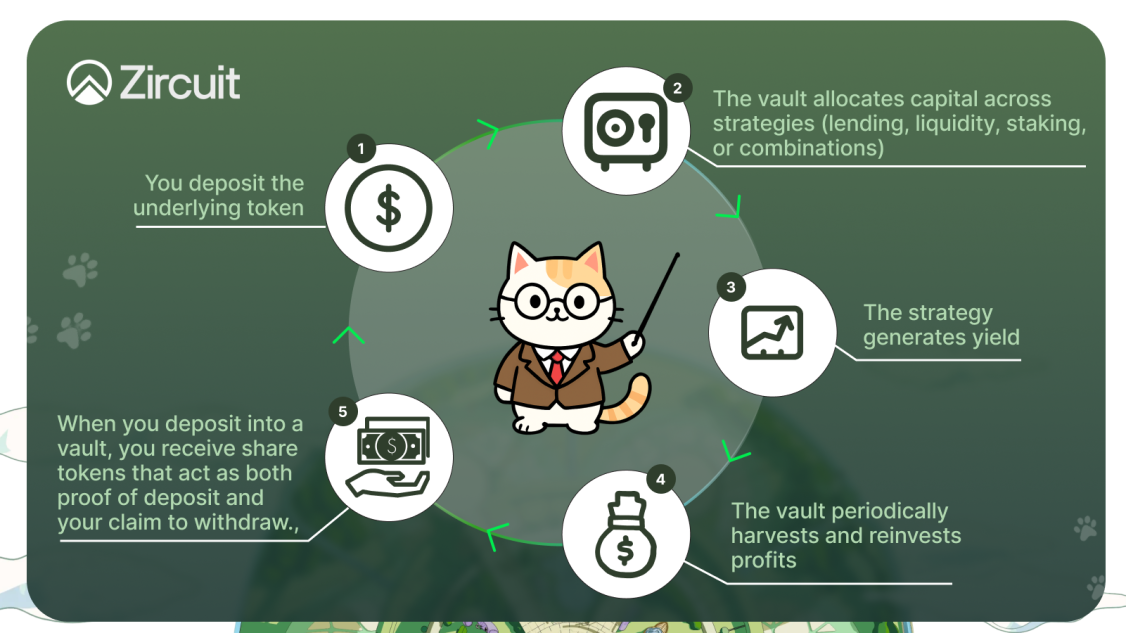
Automated vaults handle this by moving capital to where it is most productive without user intervention [[src-serp-9]]. If you are in a manual vault, you must watch the volatility index. A sudden spike in volatility might present an opportunity to sell more expensive options, but it also increases the risk of assignment. Balance the desire for higher premium against the risk of losing your principal.
Common mistakes to avoid in DeFi options
DeFi options vaults monetize volatility by selling premiums, but the mechanics carry specific risks that can erode principal if mismanaged. Ribbon Finance pioneered the model, turning automated options into a scalable yield product, yet the underlying structure requires careful attention to liquidity and leverage. The following pitfalls are the most common ways users lose capital in these vaults.
Ignoring liquidity limits to account for
Most options vaults rely on automated market makers or specific liquidity pools to execute trades. If the asset experiences a liquidity crunch, your ability to exit the position or rebalance the vault may be severely delayed or executed at unfavorable prices. This is particularly dangerous during market crashes when liquidity often dries up precisely when it is needed most. Always check the vault's historical liquidity depth and the primary trading pairs before depositing.
Over-leveraging during high volatility
Selling options generates yield by taking on directional risk. In high-volatility environments, the premiums are higher, which tempts users to allocate larger portions of their capital or use leveraged strategies to boost returns. However, this amplifies the risk of impermanent loss or total loss of the underlying asset if the price moves sharply against the position. A steady, moderate allocation is safer than chasing peak premiums during turbulent market events.
Overlooking impermanent loss in certain structures
While options vaults are designed to hedge against downside, some structures are still exposed to impermanent loss, especially if the option strategy is not fully hedged or if the asset is highly volatile. If the price of the asset drops significantly, the value of your deposited collateral may decline faster than the premiums earned. Understanding whether the vault uses a covered call, put spread, or other strategy is essential to gauging your exposure to impermanent loss.
Frequently asked questions about DeFi options vaults
Is using DeFi options vaults legal?
There are no blanket restrictions on who can use DeFi, so anyone with a crypto wallet can interact with these smart contracts. However, accessibility does not equal suitability. Regulatory frameworks vary by jurisdiction, and while the technology is open, the tax and legal implications of yield generation are not always clear. You should verify local regulations and understand the technology before depositing funds.
How do DeFi options vaults work?
DeFi options vaults automate the process of writing options contracts. You deposit collateral (usually stablecoins or ETH) into a smart contract, which then sells call or put options on the underlying asset. If the option expires worthless, you keep the premium as yield. If it is exercised, your collateral is used to fulfill the contract. This removes the need for manual trading and constant market monitoring.
Why do I need vault infrastructure for this strategy?
Manual options trading requires constant rebalancing and liquidity management. Vault infrastructure automates this by moving capital to where it is most productive without user intervention. It also aggregates liquidity, allowing smaller deposits to interact with protocols efficiently. This automation transforms the user experience from active trading to passive yield generation.
Are DeFi options vaults safe?
The primary risk is smart contract vulnerability. If the code has a bug, funds can be lost. Additionally, options strategies carry market risk; if the asset moves significantly against your position, you may lose principal. Always audit the protocol's code and understand the specific strategy before depositing.
No comments yet. Be the first to share your thoughts!